Introduction
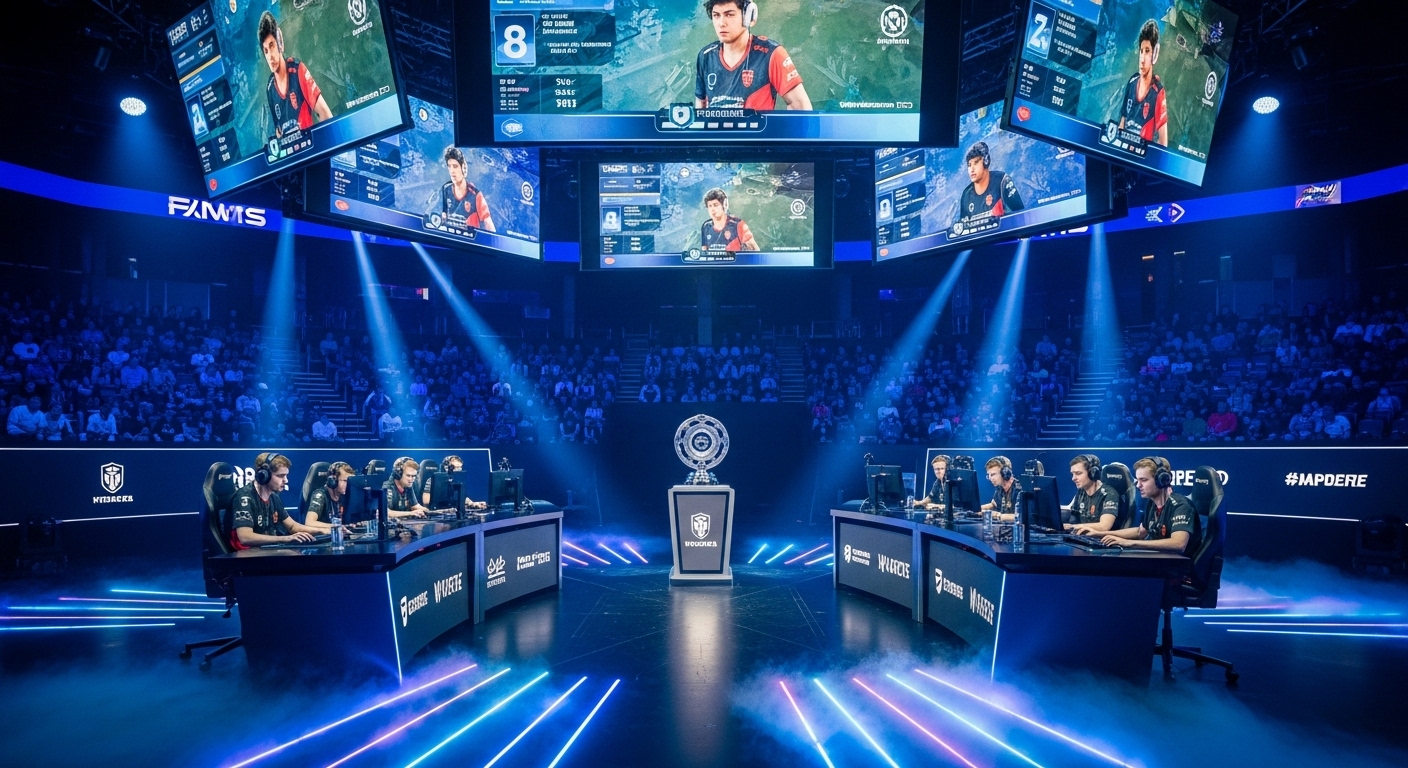
In the last two decades, the world has witnessed a dramatic transformation in the way people play, watch, and celebrate video games. What once began as casual neighborhood competitions or friendly matches between friends has evolved into a global phenomenon known as Esports — short for “electronic sports.” Esports represents the competitive side of video gaming, where professional players and teams battle each other across digital landscapes for fame, fortune, and national pride.
From humble beginnings to packed stadiums and multi-million-dollar tournaments, the rise of Esports is one of the most fascinating stories in modern entertainment. It reflects not just a technological revolution, but also a cultural shift in how society defines sports, community, and competition.
The Origins of Esports
Before Esports became a billion-dollar industry, it began quietly in the late 1970s and early 1980s with simple arcade competitions. In 1980, Atari hosted the Space Invaders Championship, one of the first major gaming tournaments, drawing over 10,000 participants in the United States. For the first time, gaming wasn’t just a pastime — it was a competition.
Through the 1990s, the landscape shifted as home consoles and personal computers gained popularity. Games like Street Fighter II, Quake, and StarCraft laid the foundation for organized competitive play. South Korea, in particular, played a crucial role. With government support for broadband internet and gaming culture, South Korea became the first true Esports nation, turning gamers into celebrities and filling television channels with live tournaments.
The 2000s: The Birth of Professional Esports
The early 2000s marked the moment when Esports began to take shape as a legitimate career path. The introduction of online multiplayer technology meant that players could compete globally, not just locally. Platforms like Battle.net and Xbox Live connected millions of players.
Games such as Counter-Strike 1.6, Warcraft III, and Halo emerged as early professional Esports titles. The World Cyber Games (WCG) and Electronic Sports World Cup (ESWC) became international events that gathered players from dozens of countries.
The era also gave rise to professional teams, gaming clans, and the first true Esports superstars. These players were not only technically skilled but also strategic thinkers and entertainers, able to keep audiences engaged for hours.
The Streaming Revolution
Esports exploded in popularity in the 2010s, largely due to the rise of streaming platforms like Twitch and YouTube Gaming. For the first time, fans could watch tournaments, matches, and even casual play sessions live from anywhere in the world.
Streaming turned Esports into a spectator sport comparable to football or basketball. Viewers developed loyalties to teams and personalities, creating massive online communities. Players who were once anonymous became celebrities, with millions of followers, sponsorships, and fan clubs.
This shift also democratized gaming entertainment. Anyone with a computer and an internet connection could broadcast themselves playing games, blurring the line between professional athletes and everyday gamers.
The Major Games That Defined Esports
Every era of Esports has been defined by specific games that captured global attention. These titles not only shaped competition but also influenced culture, fashion, and language within gaming communities.
League of Legends
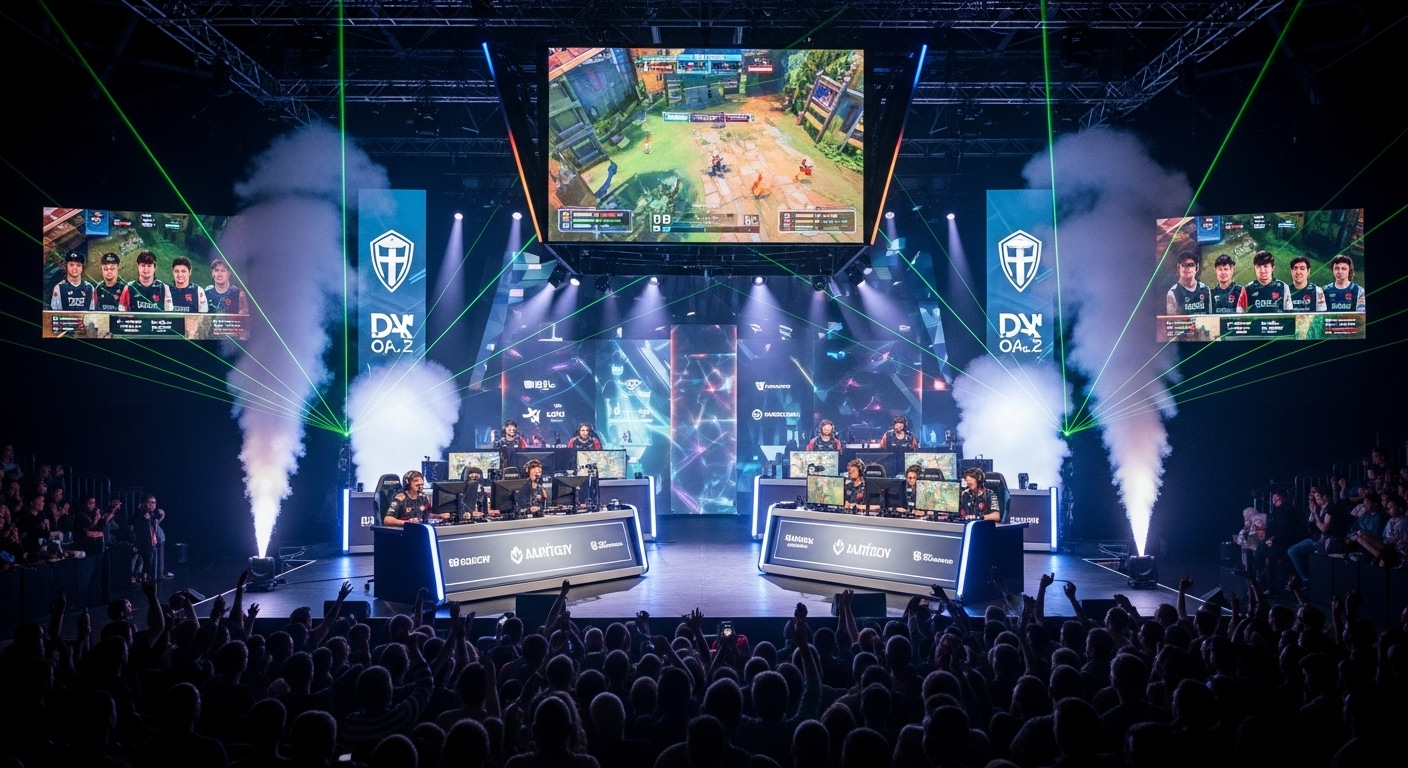
Developed by Riot Games, League of Legends (LoL) became one of the most dominant Esports titles in the world. Its yearly World Championship draws millions of viewers and features production levels rivaling the Olympics. The game’s mixture of strategy, teamwork, and reflexes makes it endlessly watchable.
Dota 2
Valve’s Dota 2 is famous for hosting The International, one of the largest tournaments in the world. With prize pools reaching tens of millions of dollars, it set new records for Esports payouts and inspired countless players to chase their dreams.
Counter-Strike: Global Offensive
No Esports discussion is complete without CS:GO. The game’s simplicity — two teams battling in short, intense rounds — makes it easy to understand yet difficult to master. CS:GO tournaments consistently attract both new viewers and long-time fans.
Fortnite
Epic Games’ Fortnite introduced the world to a new kind of spectacle — a blend of competition, creativity, and culture. Its global tournaments offered massive prizes, and its cartoonish style appealed to younger audiences. Fortnite also merged music, film, and gaming into one shared digital space.
Valorant
A blend of tactical shooting and unique character abilities, Valorant quickly rose as a modern favorite. It brought together veterans from CS:GO, Overwatch, and Rainbow Six, establishing a new chapter in tactical Esports.
The Business of Esports
Behind the flashing lights and roaring crowds lies a massive industry. Esports is not just about playing games — it’s about business, marketing, and global branding.
Sponsors such as Intel, Red Bull, and Mercedes-Benz have poured millions into Esports events. Companies see Esports as a way to reach younger, tech-savvy audiences who prefer digital engagement over traditional advertising.
Teams have become professional organizations with managers, coaches, and training facilities. Some even have nutritionists, sports psychologists, and performance analysts. Player salaries can rival those of traditional athletes, and team franchises are valued in the hundreds of millions.
Esports events also generate revenue through ticket sales, streaming rights, merchandise, and media deals. What began as hobbyist gatherings has evolved into a sustainable ecosystem of production companies, talent agencies, and international leagues.
The Global Esports Scene
Esports is a truly global phenomenon. Every region contributes something unique to its growth and identity.
Asia
Asia remains the heart of Esports. South Korea’s gaming culture continues to inspire, while China has built massive Esports arenas and academies. Japan, once focused mainly on console games, has embraced competitive titles like Street Fighter and Splatoon.
North America
In the United States and Canada, Esports has become mainstream. Colleges now offer Esports scholarships, and major networks broadcast tournaments alongside traditional sports. The U.S. is also home to several high-profile Esports organizations and talent agencies.
Europe
Europe boasts some of the most strategic and disciplined teams in games like CS:GO and Dota 2. Countries such as Sweden, Denmark, and Germany have produced world-class players and maintain robust Esports infrastructure.
The Middle East and South America
Regions like the Middle East and Latin America are fast-growing Esports hubs. With increasing investment in gaming infrastructure and youth interest, these areas are becoming new battlegrounds for competition.
The Culture and Community of Esports
Esports has fostered one of the most passionate and diverse global communities. Fans don’t just watch — they participate. They discuss strategies, create memes, make fan art, and build friendships across borders.
Events like DreamHack and BlizzCon celebrate the culture around gaming, blending tournaments with music, cosplay, and technology expos.
Moreover, Esports has redefined what it means to be an athlete. Reflexes, teamwork, communication, and mental stamina are as crucial here as in any physical sport. Esports players train rigorously, often practicing 8–12 hours a day to refine their performance.
The Role of Technology
The growth of Esports is deeply tied to advancements in technology. High-speed internet, powerful GPUs, cloud computing, and VR innovations have made modern gaming seamless and immersive.
Artificial intelligence now helps analyze player data, predict strategies, and optimize training. Virtual reality tournaments are beginning to emerge, blending physical and digital experiences in exciting ways.
Even mobile gaming has joined the Esports revolution. Titles like PUBG Mobile, Free Fire, and Mobile Legends have made professional gaming accessible to people who don’t own expensive PCs or consoles.
The Challenges Facing Esports
Despite its success, Esports faces several challenges that could affect its long-term stability.
One major issue is player burnout. The demanding schedules and intense pressure can take a toll on mental health. Organizations are gradually introducing wellness programs to support players.
Another challenge is regulation. Unlike traditional sports governed by clear authorities, Esports operates across multiple games and publishers, each with its own rules. This makes standardization and player rights a complex issue.
Cheating, match-fixing, and doping (yes, even in gaming) have occasionally tarnished the scene. Ensuring integrity and fairness remains a constant struggle.
Lastly, gender inclusivity continues to be a conversation. While women are increasingly active in Esports, representation and visibility are still growing areas of focus.
Esports and Education
One of the most exciting developments in recent years is the integration of Esports into education. High schools and universities worldwide now host Esports programs and scholarships.
These programs teach not only gaming but also teamwork, leadership, digital literacy, and strategic thinking. Students learn about broadcasting, marketing, and event management — skills that extend beyond gaming itself.
Collegiate leagues have become breeding grounds for future professional players, commentators, and industry leaders, bridging the gap between passion and profession.
Esports as a Career Path
The Esports industry offers more than just playing opportunities. A thriving network of careers supports the ecosystem — including shoutcasting, production, coaching, analytics, game development, and content creation.
Commentators, or “casters,” have become celebrities in their own right, bringing emotion and insight to matches. Analysts break down complex strategies, while production crews design world-class stage experiences that rival Hollywood.
Many former players also transition into coaching roles or start their own streaming channels, sharing their expertise with fans.
Esports and Traditional Sports: A New Rivalry or Partnership?
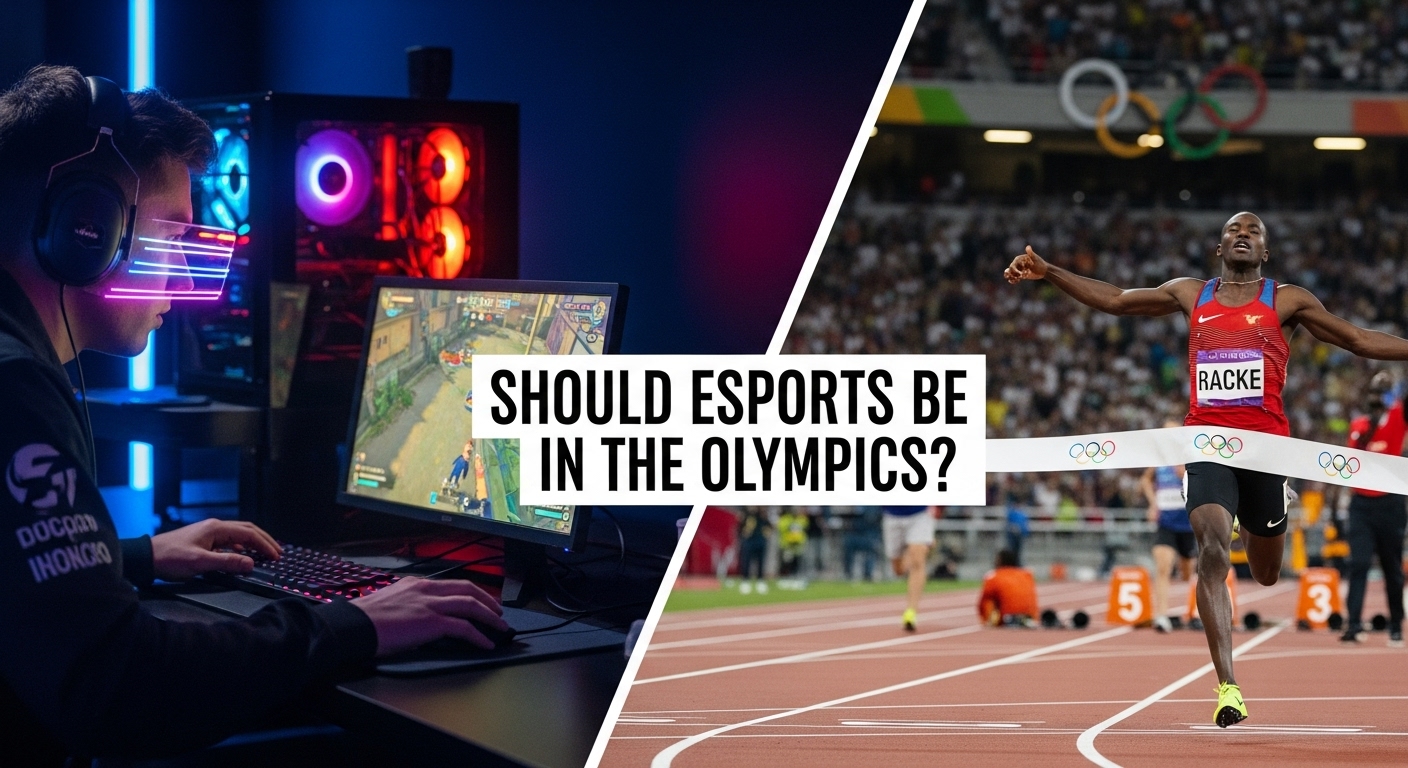
A fascinating dynamic exists between traditional sports and Esports. Some view them as rivals, competing for audiences and sponsorships. Yet others see them as partners shaping the future of entertainment.
Major sports organizations like the NBA, NFL, and Formula 1 have launched their own Esports divisions. Athletes such as David Beckham and Michael Jordan have invested in Esports teams, signaling mainstream acceptance.
Both forms of competition share the same foundation — skill, strategy, teamwork, and storytelling. Esports doesn’t seek to replace physical sports; it offers a new arena where digital athletes can thrive.
The Future of Esports
The future of Esports looks bright and limitless. As technology continues to evolve, the boundaries between reality and virtual competition will blur even further.
Expect to see more cross-platform tournaments, virtual reality leagues, and AI-assisted training systems. The metaverse — a shared online world blending games, social spaces, and commerce — could become the next frontier for Esports.
Spectator experiences will also evolve, with interactive broadcasting allowing fans to switch camera angles, access live stats, or even control virtual perspectives during matches.
Governments are beginning to recognize Esports officially, with plans to include it in international sporting events. The Asian Games already feature Esports as a medal event — a sign of global legitimacy.
Conclusion
Esports is not just a trend — it’s a cultural revolution that reflects the spirit of a connected generation. It unites millions of people across languages and borders, combining technology, artistry, and competition into one global stage.
What started as small LAN parties in basements now fills arenas, drives billion-dollar industries, and shapes how we define sports in the digital age.
The journey of Esports is far from over. As players continue to push the limits of skill and creativity, one truth remains: gaming is no longer just play — it’s a performance, a career, and a new chapter in human competition.