Introduction
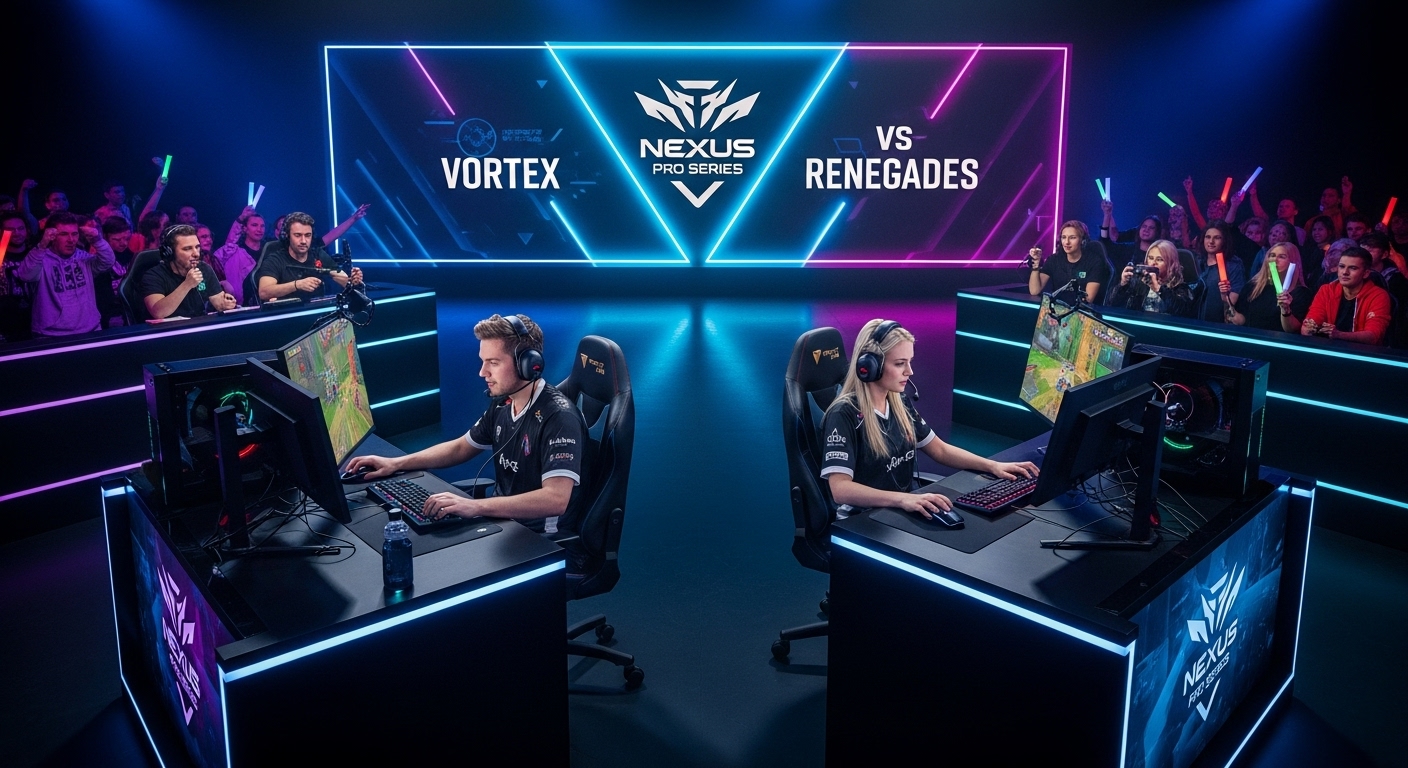
The world of competitive sports has always been a thrilling showcase of human talent, determination, and strategy. However, in recent years, a new contender has entered the ring, shifting the landscape of global competition and entertainment. This new force, known as eSports, has rapidly grown into a multi-billion-dollar industry, captivating millions of viewers, players, and investors alike. eSports, or electronic sports, refers to competitive gaming where players, either individually or as teams, compete in highly organized tournaments. Once considered a niche pastime, eSports has become a cultural and economic powerhouse, attracting attention on par with traditional sports. In this blog post, we will explore the rise of eSports, the factors contributing to its rapid growth, and its impact on the world of entertainment and beyond.
The Origins of eSports
While eSports as we know it today has exploded in popularity, its origins can be traced back to the early days of gaming. Competitive gaming has existed in various forms since the 1970s, but it was not until the 1990s that eSports began to take shape as a global phenomenon. In the early days, games like Street Fighter, Pong, and Space Invaders offered local competitions, but the concept of organized, large-scale gaming tournaments didn’t come into being until the advent of online gaming.
The late 1990s saw the introduction of games like Quake and StarCraft, which offered players the ability to compete against one another over the internet. These early online games laid the groundwork for modern eSports, where players from around the world could compete at the same time. In the early 2000s, events like the World Cyber Games and the Electronic Sports World Cup began to emerge, bringing together top players from different countries and creating a sense of global competition. These tournaments helped to establish competitive gaming as not just a hobby but a legitimate form of entertainment.
The Professionalization of eSports
As gaming technology evolved, so did the nature of competitive gaming. What was once a hobby for enthusiasts quickly became a full-fledged career path for many players. The professionalization of eSports has played a significant role in its rise to prominence. Today, top-tier eSports athletes sign contracts with organizations, receive salaries, and participate in regular tournaments with massive prize pools.
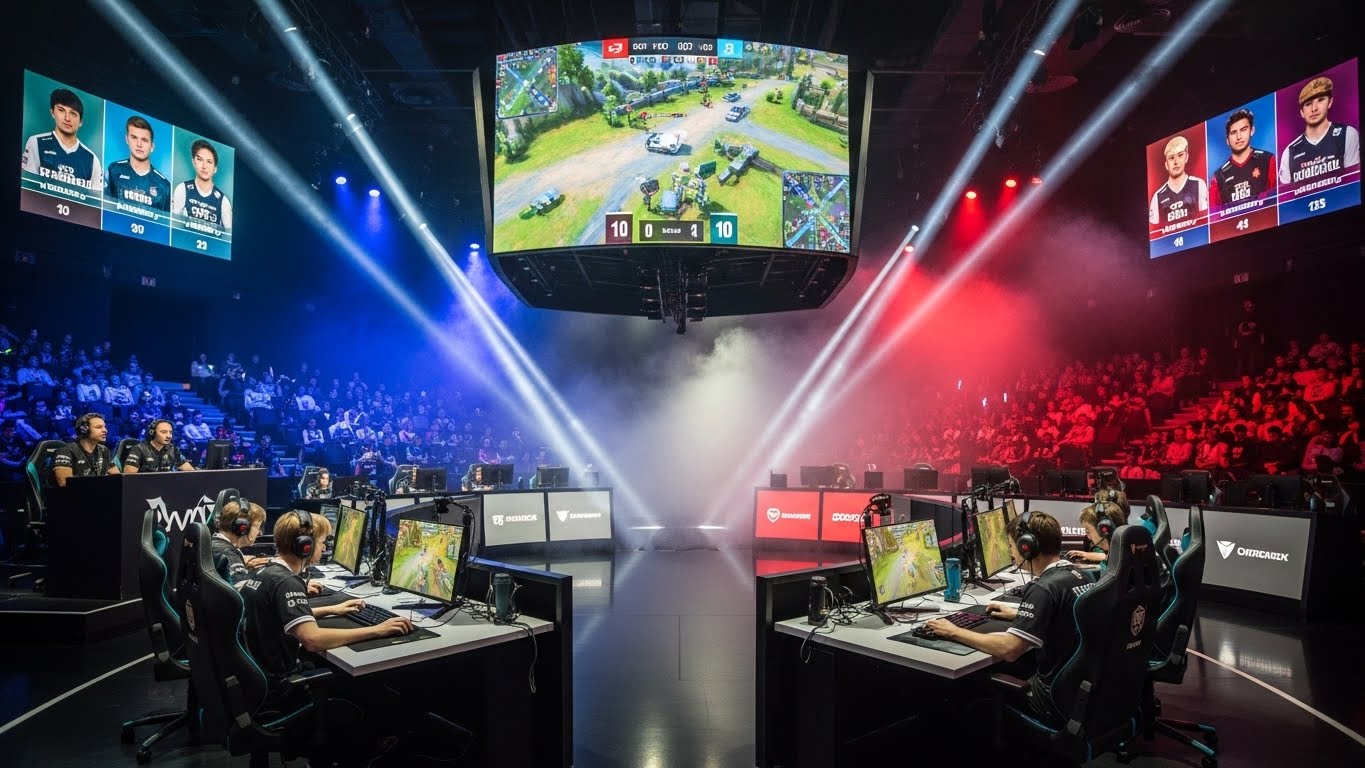
One of the most famous examples of the professionalization of eSports is League of Legends. Developed by Riot Games, this game has become a cornerstone of competitive gaming, with its annual League of Legends World Championship attracting millions of viewers and offering prize money that rivals major traditional sports competitions. Teams are now structured like traditional sports organizations, with coaches, analysts, and support staff working alongside players to refine their strategies and improve performance. The level of preparation, commitment, and professionalism within eSports mirrors that of any traditional sport.
In addition to player salaries, eSports organizations generate revenue through sponsorships, media rights, ticket sales, and merchandise. Major brands such as Coca-Cola, Intel, and Nike have recognized the massive potential of eSports, investing heavily in sponsorship deals with eSports teams, tournaments, and players. The result is a booming industry that is constantly evolving, attracting new investors and viewers with each passing year.
eSports and Its Global Fanbase
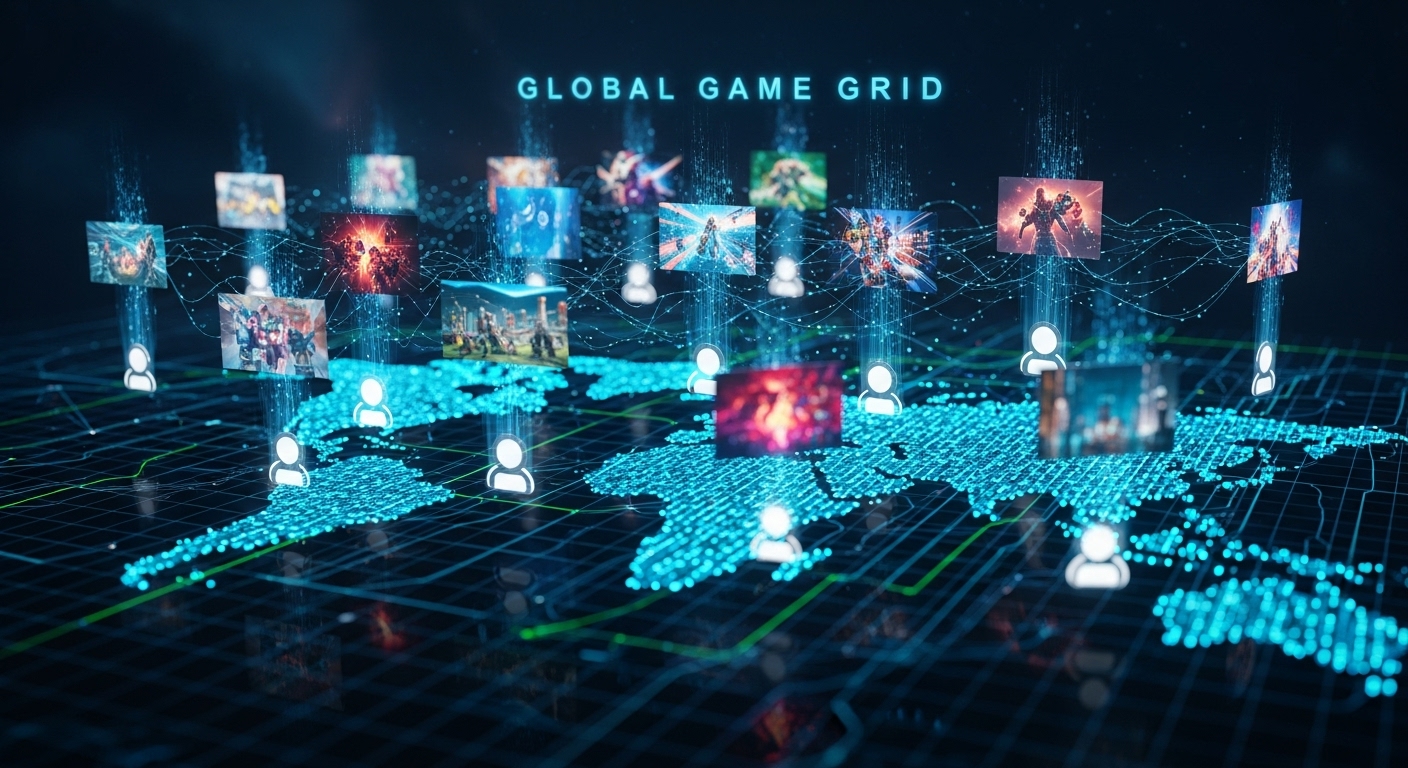
One of the key factors behind the explosive growth of eSports is its vast and dedicated global fanbase. Unlike traditional sports, where regional barriers often limit the size of the audience, eSports has no borders. Players and fans can engage with eSports content from anywhere in the world. Online streaming platforms like Twitch, YouTube Gaming, and Facebook Gaming have become essential for both players and fans. These platforms allow viewers to watch live competitions, interact with players, and follow their favorite teams on a personal level.
Twitch, in particular, has played a pivotal role in making eSports accessible to a global audience. With over 15 million daily active users, Twitch has become the home of competitive gaming. Fans tune in to watch major tournaments, cheer on their favorite players, and engage with live streams through real-time chats. eSports players themselves have become social media influencers, amassing millions of followers across platforms like Instagram, Twitter, and YouTube. These players have built personal brands, monetizing their streams through sponsorships, donations, and ads, further cementing the financial potential of eSports.
The global reach of eSports is not limited to streaming platforms. Tournaments are broadcast on television networks such as ESPN and Turner Sports, reaching millions of viewers. These networks have begun to recognize eSports as a legitimate form of competition, and broadcasting live events has allowed them to tap into the growing interest in gaming.
The Financial Impact of eSports
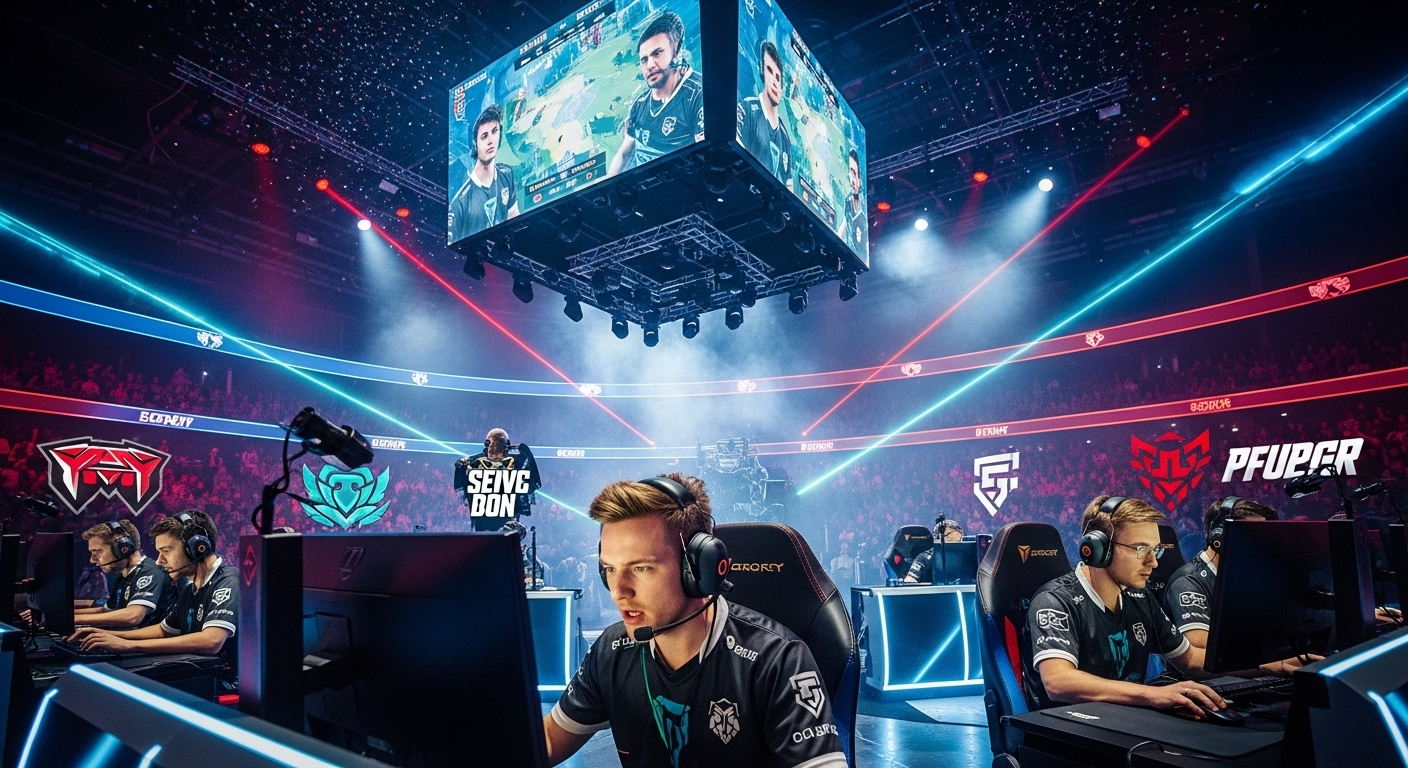
eSports is no longer just about the games themselves; it has become a multi-billion-dollar industry. Revenue streams for eSports organizations are diverse, ranging from sponsorships and advertising to ticket sales and merchandise. Major events like The International (the annual Dota 2 tournament) offer staggering prize pools, often exceeding $30 million. The financial success of these events has demonstrated that eSports can generate revenue on a scale comparable to traditional sports.
In addition to sponsorships, eSports organizations benefit from partnerships with media companies, both in terms of broadcasting rights and online streaming. Companies like Amazon (which owns Twitch) and YouTube have made significant investments in eSports broadcasting, ensuring that major tournaments and events reach audiences across different platforms. The growing media presence of eSports has also attracted traditional sports broadcasters, who are keen to tap into the younger, tech-savvy demographic that eSports attracts.
Moreover, the eSports economy has given rise to new jobs and career opportunities. In addition to professional players, there is a growing demand for coaches, analysts, broadcasters, and event organizers. These roles contribute to the overall growth of the eSports ecosystem, creating a range of career paths for individuals with expertise in gaming, media, technology, and event management.
eSports and Traditional Sports: Bridging the Gap
The rise of eSports has led to an interesting convergence between the gaming and traditional sports industries. As eSports continues to grow in popularity, many traditional sports organizations have taken notice. Major sports franchises and professional leagues, such as the NBA, NFL, and European football clubs, have begun investing in eSports teams and events. Some NBA teams, including the Philadelphia 76ers, have even bought into eSports organizations, signaling the increasing overlap between the worlds of eSports and traditional sports.
This connection has also led to new collaborations between eSports and traditional sports media outlets. Networks like ESPN and Fox Sports now cover eSports events, acknowledging the growing significance of competitive gaming. The shared audience between eSports and traditional sports, particularly among younger viewers, has driven this collaboration, making eSports an integral part of the broader entertainment industry.
Furthermore, the rise of eSports has prompted a shift in how competitive gaming is viewed by the general public. No longer confined to basements and internet cafes, competitive gaming is now recognized as a legitimate form of sport. Just like traditional athletes, eSports players train rigorously, develop strategies, and compete for glory and prize money. As eSports continues to professionalize, it will only become more integrated into the global sports ecosystem.
eSports and the Social Aspect of Gaming
One of the most unique aspects of eSports is its social nature. Unlike traditional sports, where physical location often dictates participation, eSports can be played and watched anywhere with an internet connection. This accessibility has led to the creation of a vibrant and diverse global community.
Players and fans form online communities around games and tournaments, where they discuss strategies, share content, and support their favorite teams. These online spaces have allowed people to connect from different parts of the world, regardless of language, culture, or geography. The social aspect of eSports is not just limited to playing games; it also extends to fan interactions, where viewers can interact with players, share memes, and even influence the outcomes of events through live voting or donations.
Additionally, eSports provides a platform for players to express themselves and build personal brands. Many professional eSports players have become celebrities in their own right, with massive followings on social media platforms like Twitter, Instagram, and TikTok. Through these platforms, players can engage with their fans directly, share their experiences, and even promote products and services. This level of fan engagement has made eSports a highly interactive and dynamic form of entertainment.
The Future of eSports
Looking ahead, the future of eSports appears incredibly bright. As technology continues to evolve, eSports will continue to innovate. The integration of virtual reality (VR) and augmented reality (AR) is poised to revolutionize how players compete and fans experience the action. VR technology could allow players to immerse themselves in their games like never before, while AR could bring the action to life for fans watching from home.
Mobile gaming is another area with enormous potential for eSports. As smartphones become more powerful, mobile gaming tournaments are becoming increasingly popular. Games like PUBG Mobile, Clash Royale, and Mobile Legends have already proven that competitive gaming can thrive on mobile platforms, and this trend is only expected to grow.
As eSports continues to grow in prominence, it will likely become even more integrated into mainstream media. Tournaments and leagues will attract larger audiences, and broadcasting eSports will become even more sophisticated, with high-quality production values, expert commentary, and immersive fan experiences.
Conclusion
eSports is no longer just a trend—it is a cultural and economic powerhouse that is reshaping the future of competitive entertainment. With its massive global fanbase, professionalized organizations, and growing financial backing, eSports has firmly established itself as a major player in the entertainment industry. As technology continues to evolve and new opportunities arise, eSports will continue to innovate and inspire, captivating new generations of players and fans. The digital arena is here to stay