Introduction
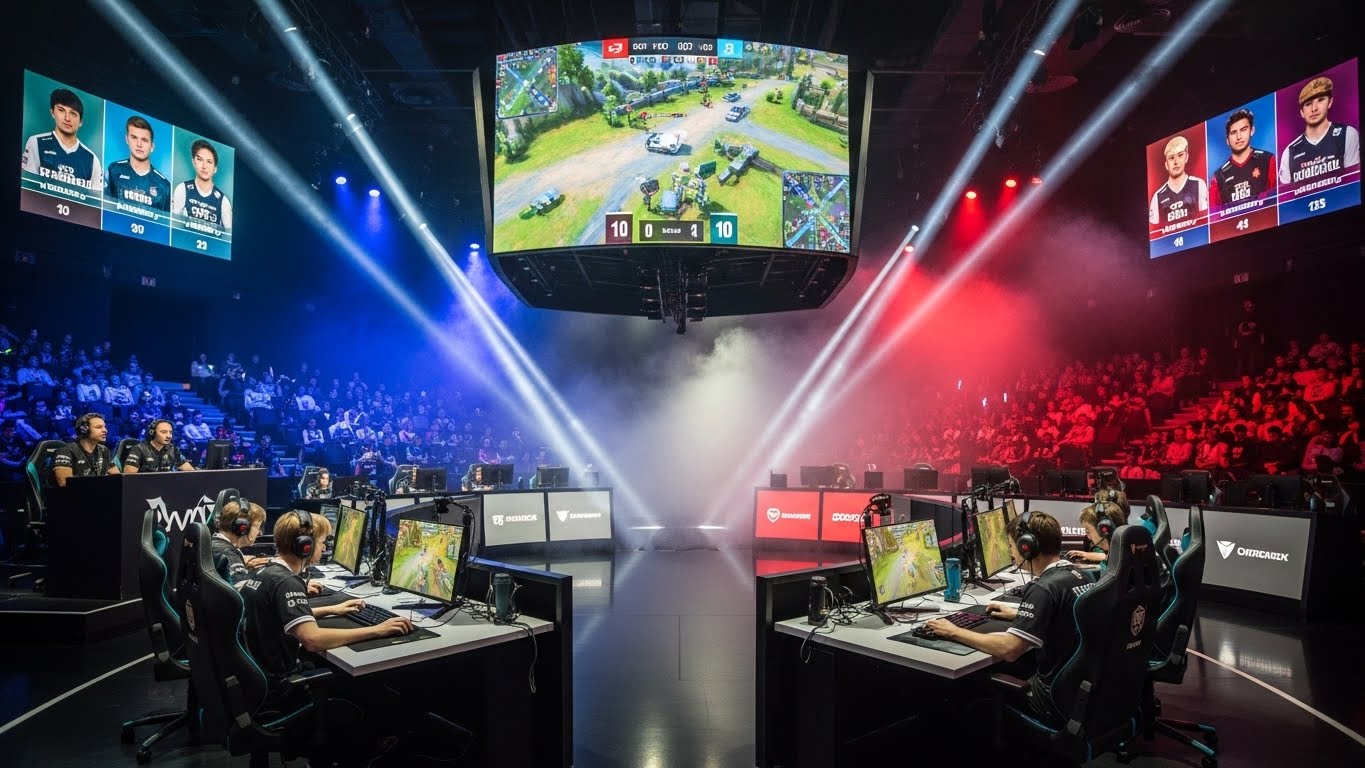
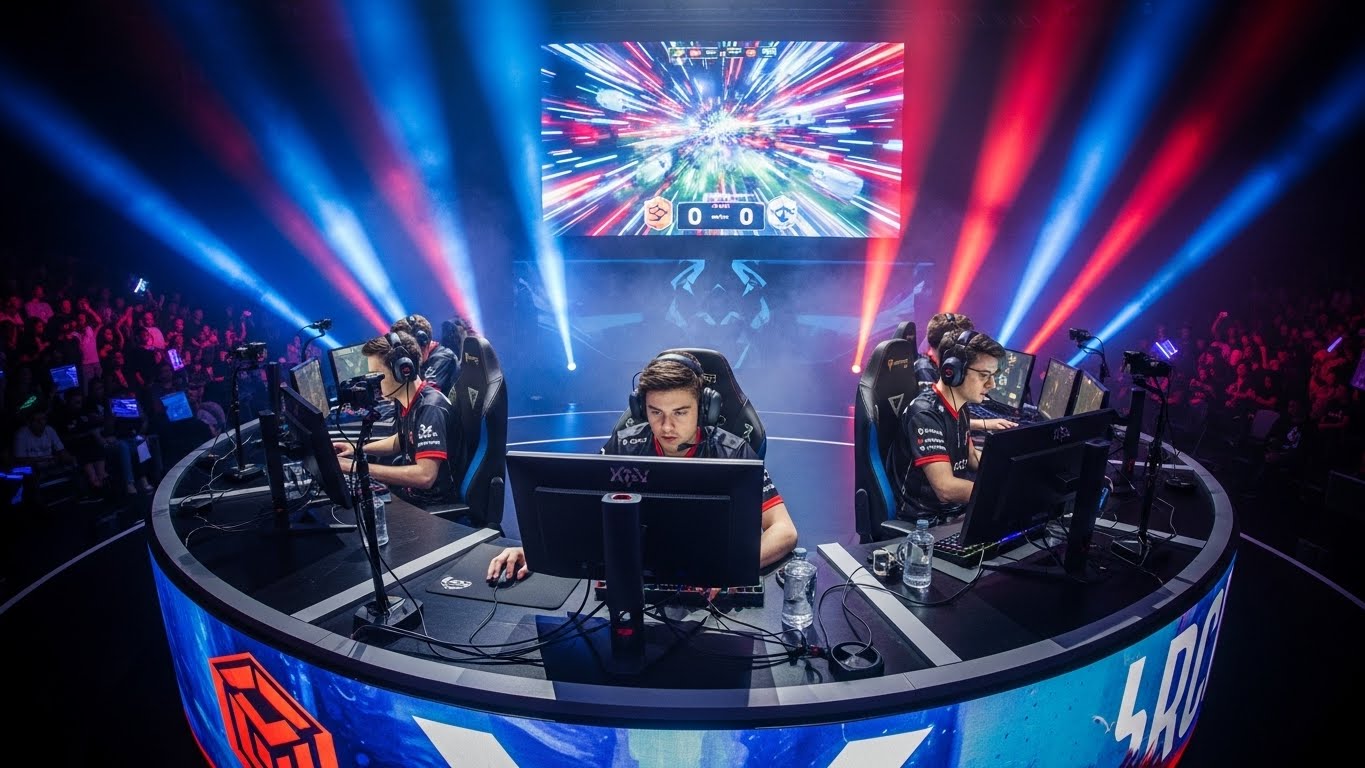
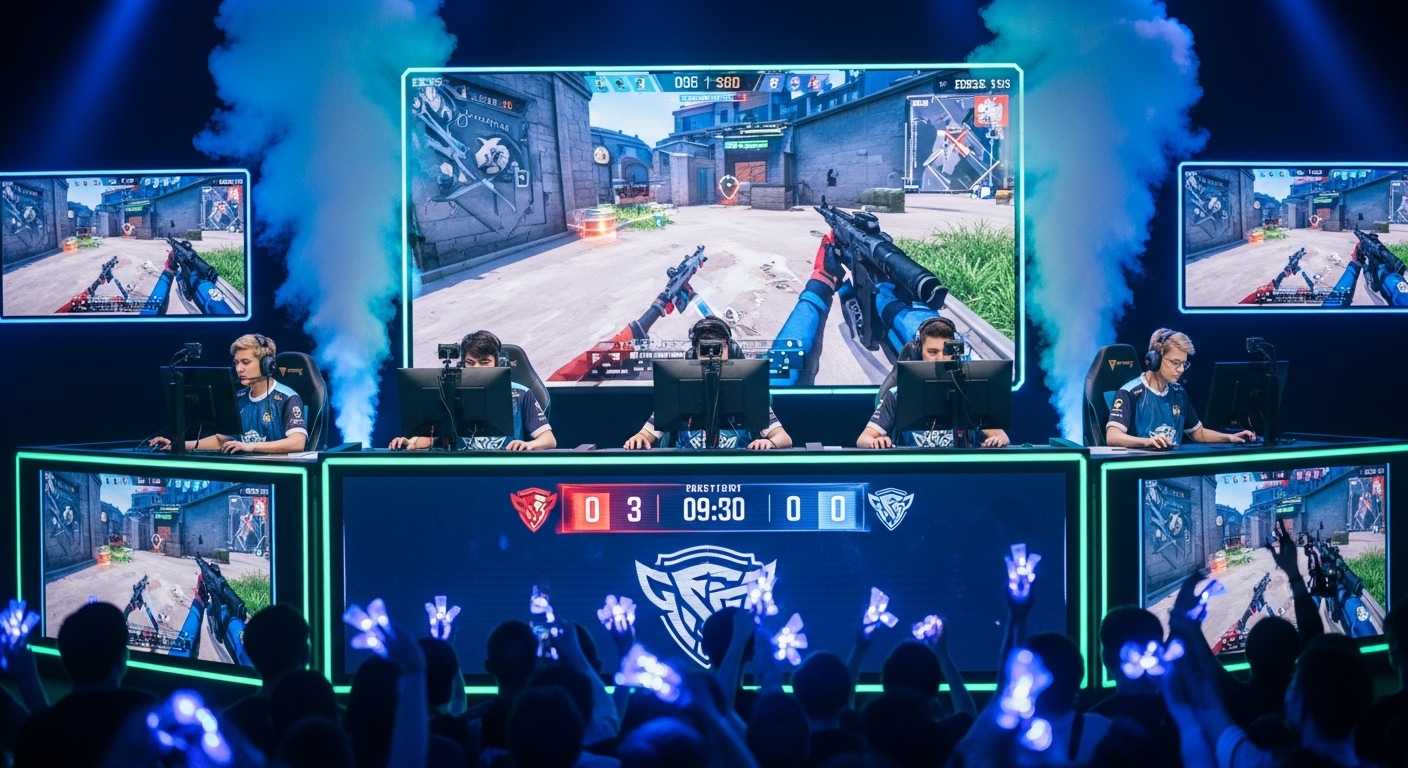
Esports, short for electronic sports, has evolved from a casual pastime into a professional, global industry. What was once a niche hobby for passionate gamers has now become a multi-billion-dollar sector, shaping entertainment, culture, and even education. Millions of fans watch tournaments live, professional players earn substantial incomes, and universities offer scholarships for talented esports competitors. Competitive gaming is no longer simply about entertainment; it is a career path, a cultural movement, and a hub of technological innovation. In this blog, we will explore the history, growth, impact, and future of esports in detail.
The Origins of Esports
The concept of competitive gaming dates back to the early 1980s, when arcade competitions became popular in the United States and Japan. Games like Pac-Man, Space Invaders, and Donkey Kong attracted high-score competitions, marking the first instances of organized gaming contests. By the 1990s, competitive gaming expanded with local area network (LAN) tournaments for games such as Quake, StarCraft, and Counter-Strike. These early events helped cultivate a sense of community among players and demonstrated that gaming could be more than a casual hobby; it could be a serious competitive endeavor.
The Growth of Competitive Gaming
The 2000s marked a turning point in the professionalization of esports. Structured leagues and organized tournaments became more prevalent, particularly for games like Warcraft III, Counter-Strike, and later League of Legends. Players started to dedicate themselves fully to gaming, practicing for hours each day to develop skills, refine strategies, and coordinate with teammates. Teams became formal organizations, employing coaches, analysts, and managers. This period laid the groundwork for the modern esports ecosystem, where professional players operate similarly to athletes in traditional sports.
Popular Esports Genres
Esports is diverse, with multiple genres appealing to different types of players and audiences. Multiplayer online battle arenas (MOBAs) like League of Legends and Dota 2 emphasize strategy, team coordination, and tactical decision-making. First-person shooters (FPS) such as Counter-Strike: Global Offensive and Call of Duty highlight accuracy, reflexes, and map awareness. Fighting games like Street Fighter and Tekken focus on timing, skill, and precision, often featuring intense one-on-one competition. Battle royale games, including Fortnite and Apex Legends, combine survival strategy with fast-paced action, appealing to a younger audience. Each genre supports a unique competitive scene and community, showcasing the broad appeal of esports.
Esports as a Global Industry
Today, esports is a billion-dollar industry with economic and cultural significance. Major tournaments attract millions of viewers worldwide, rivaling the audiences of traditional sporting events. Countries such as South Korea, China, and the United States have invested in esports infrastructure, creating arenas, training facilities, and dedicated leagues. Revenue is generated through sponsorships, merchandise, media rights, and ticket sales. Esports has a profound impact on technology and marketing, influencing game design, streaming platforms, and digital advertising. The industry’s global reach highlights how competitive gaming has transcended entertainment to become a significant economic and cultural force.
Professional Players and Teams
Esports players are professionals who dedicate significant time and effort to their craft. Training often involves hours of daily practice, strategy review, and team coordination. Top players gain sponsorships, prize money, and media exposure, making gaming a viable career path. Teams employ not only players but also coaches, analysts, psychologists, and managers to optimize performance. The level of professionalism and preparation required in esports mirrors that of traditional sports, challenging the stereotype that gaming is merely a recreational activity.
Streaming and Audience Engagement
Streaming platforms have been instrumental in esports growth. Services such as Twitch and YouTube Gaming allow fans to watch live tournaments, interact with players, and engage with other fans. Streaming provides an interactive experience, where viewers can chat, comment, and sometimes influence gameplay in creative ways. Amateur players can gain exposure by streaming their own matches, creating opportunities for recognition and advancement. This accessibility and engagement have expanded esports audiences globally, transforming competitive gaming into a spectator sport with deep community involvement.
Esports and Youth Culture
Esports resonates strongly with younger generations, especially Millennials and Gen Z, who grew up playing video games. Competitive gaming offers both entertainment and a sense of community, allowing young players to connect with like-minded individuals. Schools and universities increasingly support esports programs, providing scholarships and structured competition. This integration into education not only nurtures talent but also legitimizes esports as a recognized and respected pursuit. Youth engagement ensures that esports will continue to thrive and evolve for years to come.
Mental and Physical Demands of Esports
Success in esports requires more than quick reflexes. Players face intense mental and emotional challenges, including stress, competition pressure, and the need for strategic thinking. Physical demands are also significant, with long hours of practice potentially leading to repetitive strain injuries, eye strain, and posture-related issues. To maintain peak performance, professional teams often employ mental coaches, physical trainers, and nutritionists. This holistic approach highlights the discipline, resilience, and professionalism required to excel in esports.
Sponsorships and Branding
Sponsorships have fueled the expansion of esports, making it a financially sustainable industry. Companies across technology, gaming peripherals, energy drinks, apparel, and more invest heavily in tournaments, teams, and players. Sponsorship deals provide financial stability for teams and players while allowing brands to reach engaged, global audiences. Unlike traditional sports, esports sponsorship often leverages digital platforms and social media, making marketing more interactive and targeted. This economic model has driven growth and innovation within the industry.
Cultural Influence of Esports
Esports has become a cultural phenomenon beyond the gaming world. Players are now celebrities, with personal brands, merchandise, and global fan followings. Game characters and franchises inspire art, music, and fashion trends, while live tournaments attract audiences in the tens of millions. Communities and fan engagement reinforce the social relevance of esports, making it a key part of modern youth culture. Competitive gaming has proven to be more than entertainment; it has become a cultural force shaping trends, behaviors, and social interaction worldwide.
Education and Career Opportunities
Esports offers diverse educational and professional opportunities. Universities and high schools provide structured esports programs that combine academics with competition. Careers exist in areas such as game design, event management, broadcasting, marketing, coaching, and content creation. Esports encourages skill development in strategy, communication, teamwork, and technology, preparing individuals for a variety of professional paths. The industry’s growth ensures that esports will continue to offer meaningful opportunities for those interested in both gaming and related fields.
Challenges Facing Esports
Despite its success, esports faces several challenges. Cheating, toxicity in online communities, and unequal representation are ongoing concerns. Health issues, such as fatigue and repetitive strain injuries, also affect professional players. Regulation and standardization of leagues and tournaments are still evolving, particularly with global competition. Addressing these challenges is essential for maintaining credibility, fairness, and long-term sustainability. Many organizations are implementing policies, support systems, and awareness programs to ensure a safe and professional environment for players and fans.
The Future of Esports
The future of esports is promising, with technological innovation and global expansion driving continued growth. Virtual reality, augmented reality, and artificial intelligence are expected to create more immersive, interactive, and adaptive competitive experiences. Cross-platform play, hybrid events combining live and digital audiences, and increased mainstream recognition will further expand the industry. As esports continues to influence entertainment, technology, and education, it will become an even more integral part of global culture.
Why Esports Matters
Esports is significant because it represents the intersection of culture, technology, and human creativity. It entertains, connects communities, fosters talent, and creates economic opportunities. Esports challenges traditional ideas of sports and competition, demonstrating that skill, strategy, and teamwork extend beyond physical arenas. It unites people across borders, encourages diversity, and provides a platform for innovation. More than just games, esports reflects modern society’s values, ambitions, and potential.
Conclusion
Esports has evolved from niche competitions to a global industry with cultural, social, and economic significance. Professional players, massive tournaments, engaged communities, and educational programs have established esports as a respected and influential field. Competitive gaming is no longer merely a hobby; it is a professional, cultural, and social phenomenon that continues to redefine entertainment. With ongoing technological advancements, global participation, and growing recognition, esports is set to remain a defining force in modern culture, inspiring creativity, competition, and connection for generations to come.