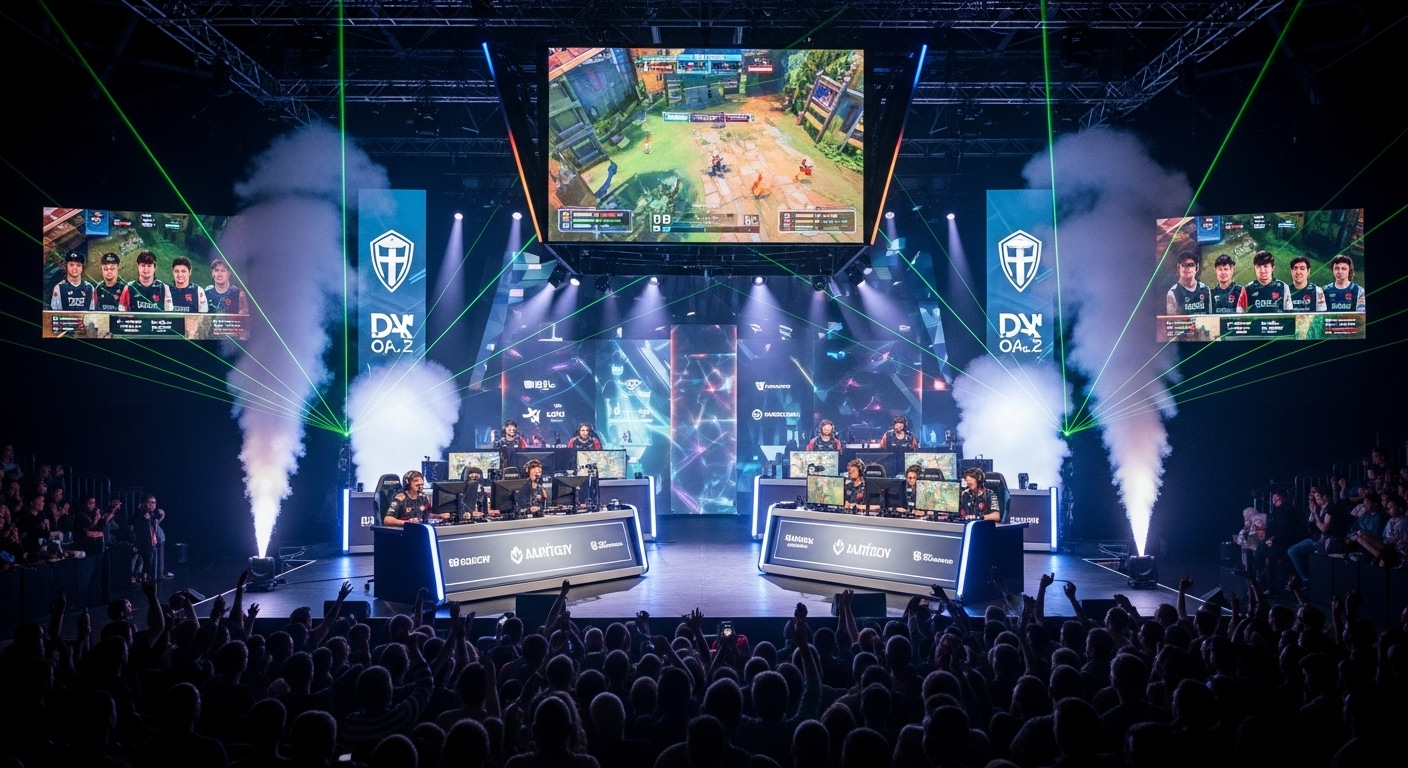
Esports is more than just a buzzword; it has become a global cultural phenomenon, reshaping the world of entertainment, competition, and digital interaction. Once a niche activity, esports has exploded into a multi-billion-dollar industry that connects millions of players, fans, and organizations worldwide. Competitive gaming now attracts the same level of attention and fan devotion as traditional sports. In this blog post, we will dive deep into the rise of esports, its impact on the gaming community, and its future trajectory as a mainstream entertainment medium.
What is Esports? A New Era of Competitive Gaming
Esports, short for “electronic sports,” refers to organized multiplayer video game competitions, particularly between professional players, individually or as teams. Unlike casual gaming, where players engage in games for fun or personal achievement, esports involves a level of seriousness, strategy, and preparation akin to professional sports. Esports competitions are often held in massive arenas or streamed online, allowing a global audience to tune in and watch their favorite players battle it out.
The world of esports spans various game genres, including first-person shooters (FPS), multiplayer online battle arenas (MOBA), real-time strategy (RTS), and sports simulation games. Titles such as League of Legends, Dota 2, Counter-Strike: Global Offensive, and Fortnite are some of the most popular games that make up the foundation of this growing sector. Competitive gaming today includes tournaments with significant cash prizes, sponsorships, and professional teams, providing players with the same level of fame and prestige enjoyed by athletes in traditional sports.
A Brief History of Esports: From Humble Beginnings to Global Recognition
The concept of competitive gaming has been around since the early days of video games. In the 1970s, games like Space Invaders were among the first to feature competitive elements, with players battling for high scores. However, esports, as we know it today, truly began to take shape in the late 1990s. The introduction of multiplayer online games allowed players to compete on a global scale, and the rise of internet gaming paved the way for organized competitions.
The late 1990s and early 2000s saw the rise of LAN (Local Area Network) parties, where groups of players gathered to compete in games like Quake and StarCraft. These events were small and informal but set the stage for larger, more structured tournaments. In 2000, the first World Cyber Games (WCG) event was held, marking the first significant international esports tournament. By 2003, professional gaming organizations and online streaming platforms like Twitch began to emerge, further fueling the growth of competitive gaming.
In the years that followed, esports continued to evolve and gain popularity, especially in countries like South Korea, which played a pivotal role in fostering the early success of esports. As the industry matured, major game publishers and tournament organizers began hosting massive events with large cash prizes, bringing esports to the mainstream. The explosion of online streaming platforms like Twitch and YouTube Gaming in the 2010s allowed millions of fans to watch live matches, transforming esports into a global entertainment phenomenon.
The Structure of Esports Competitions: How It All Works
Esports competitions are typically organized in a structure that mirrors traditional sports. At the professional level, esports leagues and tournaments are held both regionally and internationally. Some games have established leagues, while others operate as tournament circuits. For example, League of Legends features a series of regional leagues (such as the LCS in North America and the LEC in Europe), which culminate in the World Championship. Meanwhile, games like Counter-Strike: Global Offensive (CS:GO) and Dota 2 operate on a more open tournament format, with teams qualifying through online and regional events.
Teams and players in esports typically compete in structured seasons. These seasons are followed by playoffs, where the best-performing teams battle for a spot in the grand finals. The teams that perform well in these events receive significant cash prizes, sponsorship deals, and recognition in the global esports community. For instance, the prize pool for Dota 2’s The International has consistently surpassed $30 million, making it one of the most lucrative esports tournaments in the world.
In addition to professional leagues, esports also includes amateur and semi-professional competitions. These events provide an opportunity for aspiring players to showcase their talents and make a name for themselves before entering the pro scene. Open tournaments and online qualifiers allow anyone to compete, regardless of skill level, making the esports ecosystem accessible to players around the world.
The Business of Esports: Sponsorships, Advertising, and Media
Esports has become a highly profitable industry with multiple revenue streams. The business model is fueled by sponsorships, advertising, media rights, merchandise, and ticket sales. Major brands from various industries, including technology, energy drinks, automotive, and apparel, have invested heavily in esports sponsorships. Teams and players wear branded jerseys, streamers showcase products on their channels, and esports events are sponsored by global companies, further legitimizing esports as a mainstream business.
Broadcasting and media rights are another critical revenue source for esports organizations. Major streaming platforms like Twitch, YouTube, and Facebook Gaming have helped esports achieve unprecedented visibility. In addition to streaming, many esports events are now broadcast on cable and satellite TV networks, attracting a larger and more diverse audience. Esports broadcasts feature live commentary, analysis, and highlights, similar to traditional sports broadcasts.
Furthermore, esports events attract large-scale audiences both in-person and online. The League of Legends World Championship, for example, regularly sells out massive arenas like the Mercedes-Benz Arena in Berlin and the Staples Center in Los Angeles. Online viewership can also be in the millions, with some esports events reaching global audiences of over 100 million viewers. These large numbers of viewers are a significant draw for advertisers looking to target a younger, tech-savvy demographic.
Esports and Streaming: A Game Changer for Viewers and Players
One of the most revolutionary aspects of esports is the role that streaming platforms have played in its growth. Twitch, founded in 2011, is the largest platform for live video game streaming, and it has become the heart of the esports community. Here, players can stream their gameplay live, while viewers can watch matches, interact with players, and even participate in live chats. This real-time interaction between players and fans is a defining characteristic of esports culture.
Streaming has opened up a new form of career for aspiring esports athletes. Top players, commentators, and influencers can earn money through subscriptions, advertisements, and donations from their fans. Popular streamers like Ninja and Shroud have made millions from streaming, while also building substantial personal brands. For professional esports players, streaming offers an additional source of income and the opportunity to grow their fanbase, further fueling the global reach of esports.
The Global Impact of Esports: A Cultural and Social Movement
Esports is not only a business and a form of entertainment; it is also a cultural movement that has connected people worldwide. Gaming has long been a global hobby, but esports has taken it to the next level by fostering international communities of fans and players. People from different countries, speaking different languages, can come together to support their favorite teams and players.
In addition, esports has played a significant role in bridging generational divides. While video gaming has traditionally been seen as a hobby for younger generations, esports has expanded its appeal to people of all ages. This universal appeal is evident in the growing interest in esports tournaments among older viewers, with some events attracting families, children, and young adults in large numbers.
Esports also provides opportunities for players and fans to participate in a diverse array of online communities. Fans engage with content creators, watch live streams, and interact with players on social media platforms. This sense of belonging is a key part of esports culture, as people around the world bond over their shared love of gaming and competition.
The Challenges of Esports: Mental Health, Sustainability, and Governance
Despite its rapid growth, esports faces several challenges that need to be addressed for long-term sustainability. One significant issue is player burnout. Professional esports players dedicate themselves to rigorous training schedules, often practicing for several hours a day. This demanding lifestyle can lead to mental and physical exhaustion, which affects their performance and overall well-being.
Mental health concerns are also prevalent in esports, with players facing intense pressure to perform at the highest level. Issues like anxiety, depression, and stress are not uncommon among professional players, especially when they are in the public eye. As the industry matures, there is a growing recognition of the need for better mental health resources and support systems for players.
Another challenge is governance and regulation. The lack of uniformity across esports titles and leagues can lead to issues with player contracts, cheating, and match-fixing. Establishing consistent rules, regulations, and oversight is crucial for maintaining the integrity of esports as a professional and competitive space.
The Future of Esports: A Constantly Evolving Landscape
As esports continues to grow, its future looks incredibly promising. New technological advancements, such as virtual reality (VR) and cloud gaming, will continue to shape the way games are played and consumed. VR will offer more immersive experiences, while cloud gaming will make high-quality esports more accessible to people who do not have access to expensive gaming equipment.
Esports is also likely to continue integrating with traditional sports. Many professional sports teams are investing in esports, and hybrid events that combine elements of both sports and gaming are becoming more common. As esports expands into new markets, particularly in regions like Asia and Latin America, its global