Introduction: The Digital Arena Comes Alive
In the past decade, competitive gaming has evolved from a casual pastime into a global spectacle. What was once seen as an activity confined to bedrooms and small internet cafes has transformed into a multi-billion-dollar industry attracting millions of viewers worldwide. Esports, short for electronic sports, is now recognized as a legitimate form of competition, combining strategy, skill, and teamwork at the highest level.
Unlike traditional sports, esports exists entirely in the digital realm, relying on video games, online platforms, and interactive communities. This unique aspect has enabled it to transcend borders and create a new culture of competitive entertainment. The rise of esports has not only created professional career opportunities but has also changed the way society perceives gaming and digital interaction.
What is Esports? Understanding the Phenomenon
At its essence, esports is organized, competitive video gaming. Players compete in various game genres such as multiplayer online battle arenas, first-person shooters, real-time strategy games, and fighting games. Popular titles like League of Legends, Dota 2, Counter-Strike, and Fortnite have become cultural landmarks, with professional leagues and international tournaments that rival traditional sports in scale and excitement.
Esports is more than just pressing buttons quickly or reacting to in-game events. Success requires extensive practice, strategic thinking, and teamwork. Professional players analyze game mechanics, study opponents, and perfect their execution to gain even the slightest advantage. This level of commitment has helped elevate esports to a professional standard where discipline, mental resilience, and continuous improvement are paramount.
The Explosion of Esports: From Local Tournaments to Global Fame
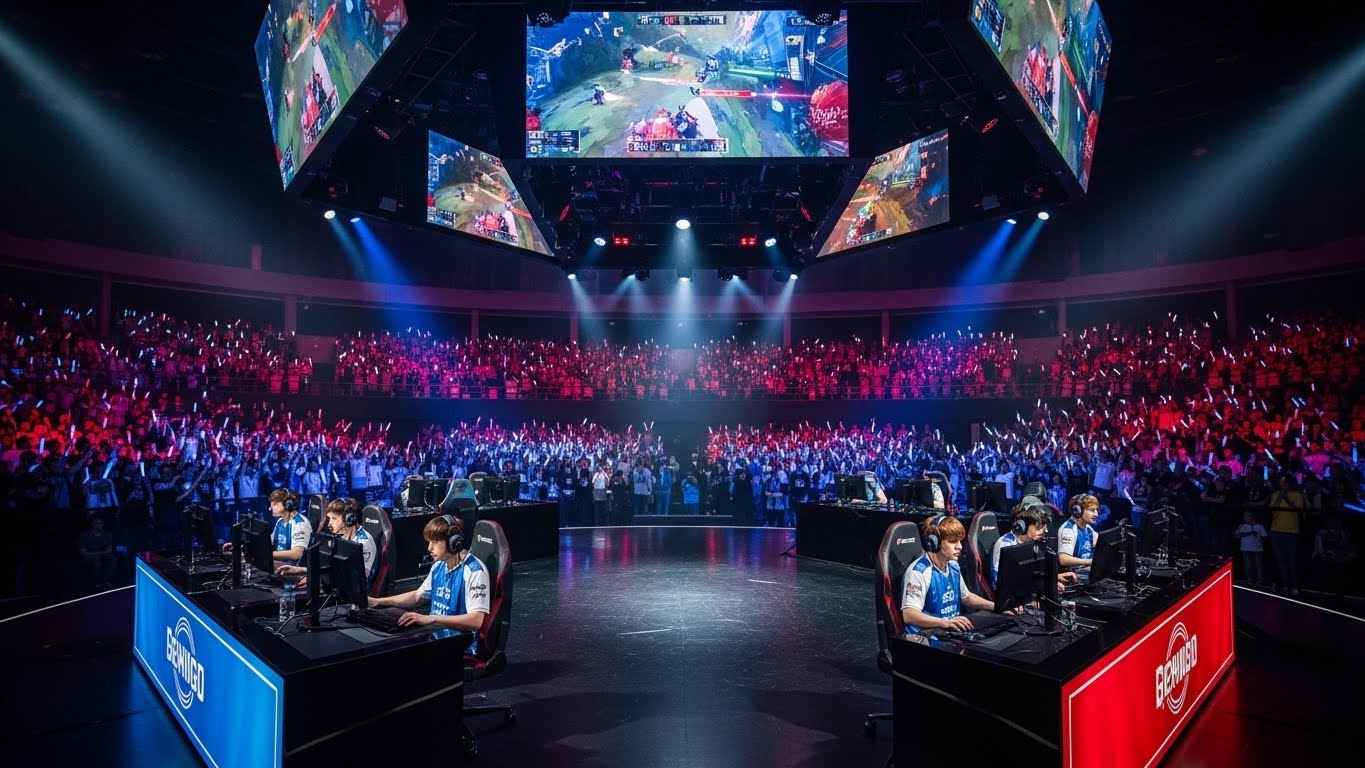
Esports has grown exponentially over the last two decades. Early competitions were often small, local events held in gaming cafes or community centers, primarily involving niche communities of dedicated players. Over time, these competitions expanded, drawing larger audiences and more substantial sponsorships. Today, major tournaments are held in stadiums with thousands of attendees while millions watch online, showcasing esports’ global reach.
One factor driving this growth is accessibility. Unlike traditional sports that require extensive infrastructure, esports only requires a computer, console, and internet connection. This has allowed players from diverse backgrounds and countries to compete on equal footing. Additionally, the digital nature of esports has fostered a sense of community, where fans actively participate through live chats, forums, and streaming platforms, creating a culture of engagement that is unique to gaming.
Streaming and Esports: A Powerful Partnership
Streaming platforms have played a crucial role in esports’ rise. Platforms such as Twitch and YouTube Gaming allow fans to watch tournaments live, interact with players, and immerse themselves in the community. Streaming has transformed esports into a form of interactive entertainment, where audiences are not passive observers but active participants.
The symbiotic relationship between streaming and esports has created new revenue streams for players and organizations. Streamers can monetize their content through subscriptions, advertisements, and sponsorships, while professional teams generate income through merchandise sales and tournament winnings. The popularity of streaming has also made esports accessible to a wider audience, introducing casual viewers to competitive gaming and inspiring the next generation of professional players.
Economic Impact: Esports as a Billion-Dollar Industry
Esports has evolved into a thriving business ecosystem. Global brands are eager to invest in this fast-growing market, targeting a young and digitally engaged audience. Sponsorship deals, advertisements, and brand partnerships have become standard, allowing esports organizations to operate professionally, paying competitive salaries and providing training facilities.
The commercial opportunities in esports are vast. Prize pools for major tournaments can reach millions of dollars, while in-game purchases and merchandise contribute significantly to revenue. Investors see esports as a lucrative sector, with potential growth in virtual reality tournaments, esports media rights, and online content creation. This financial ecosystem ensures that the industry remains sustainable and continues to attract talent, innovation, and investment worldwide.
Cultural Influence: Changing Perceptions of Gaming
Esports has transformed how society perceives gaming. Once regarded as a solitary hobby, gaming is now recognized as a professional pursuit requiring skill, strategy, and teamwork. Esports has given rise to role models and celebrities within the gaming community, inspiring players to pursue careers in competitive gaming or content creation.
Moreover, esports has fostered inclusivity and diversity. Players from different backgrounds, genders, and regions can compete on an equal platform, breaking traditional stereotypes about who can be a “gamer.” The cultural impact extends beyond the gaming world, influencing music, fashion, and entertainment. Major esports events are now broadcast to millions, demonstrating gaming’s integration into mainstream culture.
Training and Professional Development in Esports
Professional esports players treat their craft with the rigor of traditional athletes. Daily schedules often include hours of practice, strategy discussions, and team coordination exercises. Physical fitness, mental conditioning, and nutrition are also prioritized to sustain performance during intense competitions.
Coaches, analysts, and support staff play a crucial role in enhancing team performance. They analyze gameplay, develop strategies, and monitor player health, ensuring that players maintain peak performance. This high level of professionalism underscores the dedication required to succeed in esports, demonstrating that competitive gaming is as demanding as any physical sport.
Challenges and Obstacles in the Esports World
Despite its success, esports faces several challenges. Career longevity is a concern, as the competitive nature of the industry can lead to burnout, stress, and early retirement for players. While top-tier professionals earn significant income, many aspiring players struggle to monetize their talent effectively.
Another challenge is regulation. Unlike traditional sports with established governing bodies, esports is fragmented across various games and leagues. Establishing standardized rules, contracts, and fair competition remains a work in progress. Additionally, the community must address issues such as cheating, toxicity, and harassment to create a safe and positive environment for players and fans alike.
The Future of Esports: Innovation and Expansion
The future of esports is full of potential. Technological advancements such as virtual reality, augmented reality, and cloud gaming are poised to revolutionize how competitions are played and viewed. VR and AR could create immersive spectator experiences, while cloud gaming makes competitive play accessible without high-end hardware.
Esports is also expanding into education. Schools and universities are introducing esports programs, competitive leagues, and scholarships, legitimizing gaming as a viable career path. This educational integration ensures that the industry will continue to grow and evolve, fostering talent and nurturing professional development from a young age.
Moreover, esports is increasingly blending with traditional entertainment. Celebrities, musicians, and mainstream media are engaging with competitive gaming, creating collaborations and events that bring esports to new audiences. This convergence promises a future where digital competition is an integral part of global entertainment culture.
Conclusion: Embracing the Digital Competitive Revolution
Esports is no longer just a pastime; it is a cultural and economic revolution. It has reshaped how people perceive gaming, opened new career paths, and created a global community of players and fans. With technological innovation, expanding audiences, and increasing commercial investment, esports is set to remain a defining aspect of modern entertainment.
The rise of esports demonstrates the power of technology, creativity, and human skill in shaping new forms of competition. Digital arenas now rival traditional stadiums, and the thrill of competition transcends physical boundaries. As esports continues to evolve, it will redefine what it means to compete, entertain, and connect in the digital age.
The journey from small tournaments to global championships shows that esports is more than a game—it is a transformative movement that celebrates skill, strategy, and the shared passion of millions worldwide. Competitive gaming has arrived, and its influence will only continue to grow.