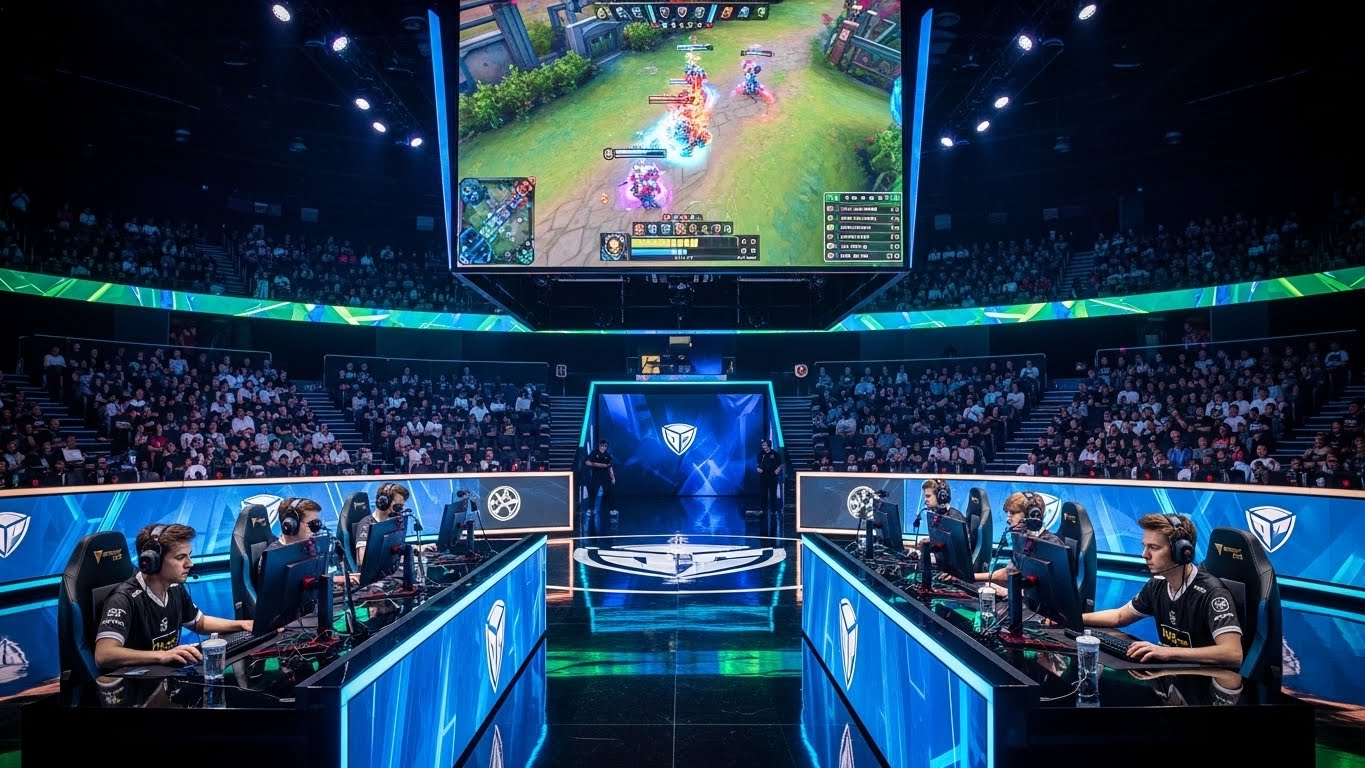
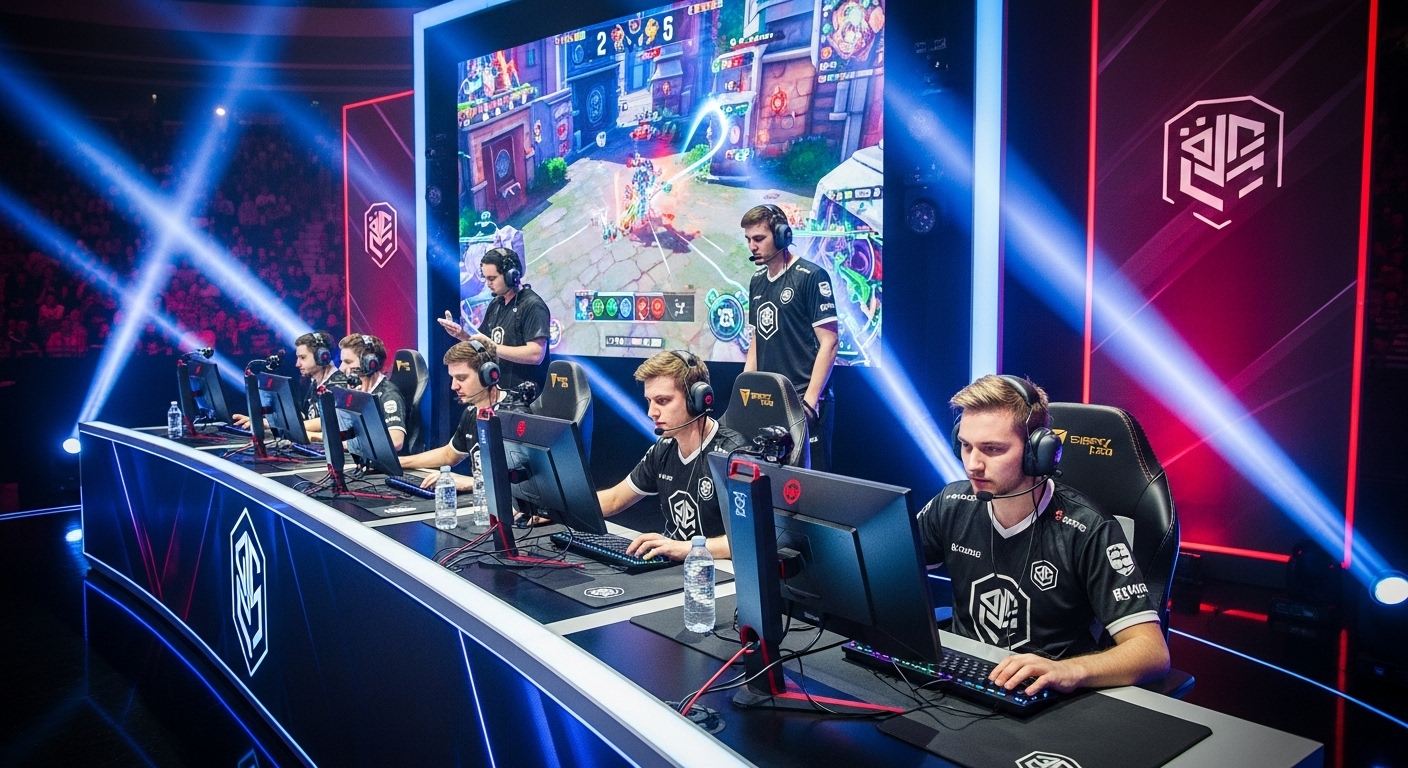
Esports, once a niche hobby for gamers, has rapidly transformed into a multi-billion-dollar industry that now attracts millions of viewers worldwide. Competitive gaming is no longer just about fun or entertainment; it is a legitimate, professional sport with a massive global following, sponsorship deals, and a deep cultural impact. From humble beginnings in arcade halls to the present-day arena of live-streamed global competitions, the journey of esports has been nothing short of remarkable. In this blog post, we will explore the evolution of esports, its rise in popularity, and its implications on the world of entertainment and business.
The Early Beginnings of Esports: A New Era of Competitive Gaming
The roots of esports can be traced back to the late 20th century when competitive gaming began to emerge. In the 1980s, arcade games like Pong and Space Invaders introduced the concept of high-score competitions, where players would strive to outperform each other for bragging rights. However, it wasn’t until the 1990s that competitive gaming as we know it today began to take shape. Quake, Warcraft, and StarCraft brought the concept of multiplayer gaming to the forefront, laying the foundation for the first esports tournaments.
In 1997, the Red Annihilation tournament for Quake set a precedent for competitive gaming. This event brought together players from around the world to compete for a cash prize, which was unheard of at the time. The following years saw the emergence of gaming clans, where groups of players would team up to compete in organized competitions. These early tournaments were largely limited to a small community of hardcore gamers, but they provided the framework for what would become a global phenomenon.
The Growth of Esports: The Birth of Major Leagues and Online Streaming
Esports began to evolve into a more structured industry in the 2000s, particularly with the launch of League of Legends in 2009. Developed by Riot Games, League of Legends became the first game to introduce an official competitive league system. Riot Games’ commitment to building an esports ecosystem around the game helped set the stage for the professionalization of competitive gaming. This included regular seasons, international competitions, and regional leagues.
The development of streaming platforms like Twitch in the mid-2010s further accelerated the rise of esports. Twitch provided a centralized space for gamers to stream their gameplay and, more importantly, for fans to watch live tournaments and interact with their favorite players and teams. These streaming platforms revolutionized the way fans engaged with competitive gaming, creating a direct connection between players and their audiences. With millions of viewers tuning in to watch esports events, Twitch quickly became the go-to platform for all things esports.
In parallel, traditional gaming franchises began to expand their tournament infrastructure. Games like Dota 2, Counter-Strike: Global Offensive (CS:GO), and Overwatch followed suit by introducing major international tournaments, each offering substantial cash prizes and attracting worldwide attention. The International (for Dota 2) quickly became one of the most-watched esports tournaments globally, offering a prize pool that often exceeds $30 million.
The Business of Esports: Investment, Sponsorship, and Media
As esports grew in popularity, it quickly attracted major corporations and investors looking to capitalize on its expanding market. Sponsorships have played a crucial role in the financial success of esports, as companies from various industries seek to connect with the massive global audience that esports commands. Technology companies such as Intel, Nvidia, and Red Bull were among the first to recognize the potential of esports, with their sponsorships of tournaments, players, and teams.
However, it’s not just tech companies that have flocked to esports. Traditional brands, including Coca-Cola, McDonald’s, and Nike, have also become key players in the ecosystem. These companies see esports as a way to tap into a younger demographic—one that is highly engaged and digital-first. Esports sponsorships often include brand placements in major tournaments, on player uniforms, and across social media platforms.
The rise of esports has also led to significant investment in esports organizations and teams. Investors see esports as an emerging market with immense potential for growth, which has resulted in the formation of powerhouse esports organizations. Teams like Cloud9, Team Liquid, and FaZe Clan have become iconic brands in their own right, with a loyal fanbase and multi-million-dollar revenue streams. These teams not only compete in major tournaments but also generate income through merchandise sales, sponsorship deals, and streaming platforms.
Moreover, media companies have begun to recognize esports as a legitimate form of entertainment, similar to traditional sports. Television networks, including ESPN, and streaming giants like Netflix and YouTube have begun to cover esports events, while sports networks in some countries have dedicated channels to esports. The rise of esports as a form of entertainment has led to increased media rights deals, further solidifying its place in the entertainment industry.
The Players and Teams: The Rise of Professional Gamers
At the heart of esports are its players—the professional gamers who dedicate their lives to mastering their craft. Esports players are often considered some of the most skilled and disciplined gamers in the world. Many start their careers at a young age, training for hours each day to perfect their skills. Similar to athletes in traditional sports, esports players must have exceptional reflexes, teamwork skills, and strategic thinking to succeed in competitive gaming.
Becoming a professional esports player is no easy feat. Players must train rigorously, participating in online tournaments, competing in local leagues, and, ultimately, qualifying for major international events. Once players make it onto a professional team, they face the challenge of maintaining peak performance, as the competition is fierce and the stakes are high. Mental resilience is as important as technical skill in the world of esports, as players must cope with pressure, criticism, and the constant need to adapt to new strategies and game updates.
Esports organizations have teams dedicated to specific games, each with its own lineup of star players. These players often become celebrities within the esports community, amassing large followings on social media platforms like Twitter and Instagram, as well as streaming services like Twitch. The most famous esports personalities can attract sponsorship deals, endorsement contracts, and even mainstream media attention, further cementing their place as public figures in the entertainment landscape.
Esports’ Cultural Impact: Gaming as a Global Phenomenon
Esports has had a profound impact on global culture, particularly among younger generations. It has helped change the perception of gaming, which was once seen as a solitary and antisocial activity, into a highly social and community-driven experience. Esports brings together millions of fans from different parts of the world who share a common interest in gaming. Online forums, fan clubs, and social media platforms serve as spaces where fans can interact, share their favorite moments, and support their favorite teams and players.
Esports has also become a platform for diversity and inclusion. Many esports events and organizations actively promote gender equality and encourage women to participate in competitive gaming. While the esports industry has historically been male-dominated, there are an increasing number of female players, casters, and analysts who have gained recognition in the community. The rise of women’s esports tournaments and initiatives like Women in Esports has contributed to making the esports environment more welcoming and inclusive for all players, regardless of gender.
On a global scale, esports has become a unifying force. Major tournaments like The International or League of Legends World Championship attract fans from every corner of the globe. Viewers tune in from diverse countries, creating a shared cultural experience. This global appeal has transformed esports into more than just a game—it is a celebration of international collaboration, rivalry, and competition.
The Challenges Facing Esports
Despite its rapid rise, the esports industry still faces several challenges. One of the most pressing concerns is player burnout. The demanding nature of professional gaming, combined with long hours of practice and competition, can take a toll on players’ mental and physical health. Many esports players start their careers young and face the risk of burnout after just a few years. Unlike traditional sports, where athletes can transition into coaching or commentary roles after retiring, esports players often struggle to find career alternatives once they leave the competitive scene.
Another challenge facing esports is the issue of regulation. Unlike traditional sports, esports lacks a unified governing body to enforce consistent rules and regulations. This has led to inconsistencies in tournament structures, prize distributions, and player contracts. In addition, issues like cheating, match-fixing, and online toxicity continue to be problems within the community, and efforts to tackle these issues are ongoing.
The Future of Esports: Where Is the Industry Headed?
The future of esports looks incredibly promising. With more players, viewers, and investments flowing into the industry, esports is likely to continue its rapid growth. New technologies, such as virtual reality (VR) and augmented reality (AR), could revolutionize how fans experience esports, creating immersive environments and new ways to interact with players and events. The rise of mobile gaming is another factor to watch, as mobile esports is gaining traction, particularly in regions like Southeast Asia.
Esports’ potential inclusion in the Olympic Games is also a hot topic. While the idea of esports being recognized as an official Olympic sport is still a subject of debate, its growing cultural relevance makes it a strong contender for mainstream recognition. As the industry matures, esports will likely solidify its position as a global entertainment and competitive force, one that will continue to shape the future of gaming and sports.
Conclusion
Esports has come a long way since its early days in arcades and online communities. Today, it is a global industry that touches every corner of the world, with millions of fans, players, and investors driving its growth. Esports has not only changed the way we view gaming but has also become a cultural and economic powerhouse. As it continues to evolve