Introduction to Esports
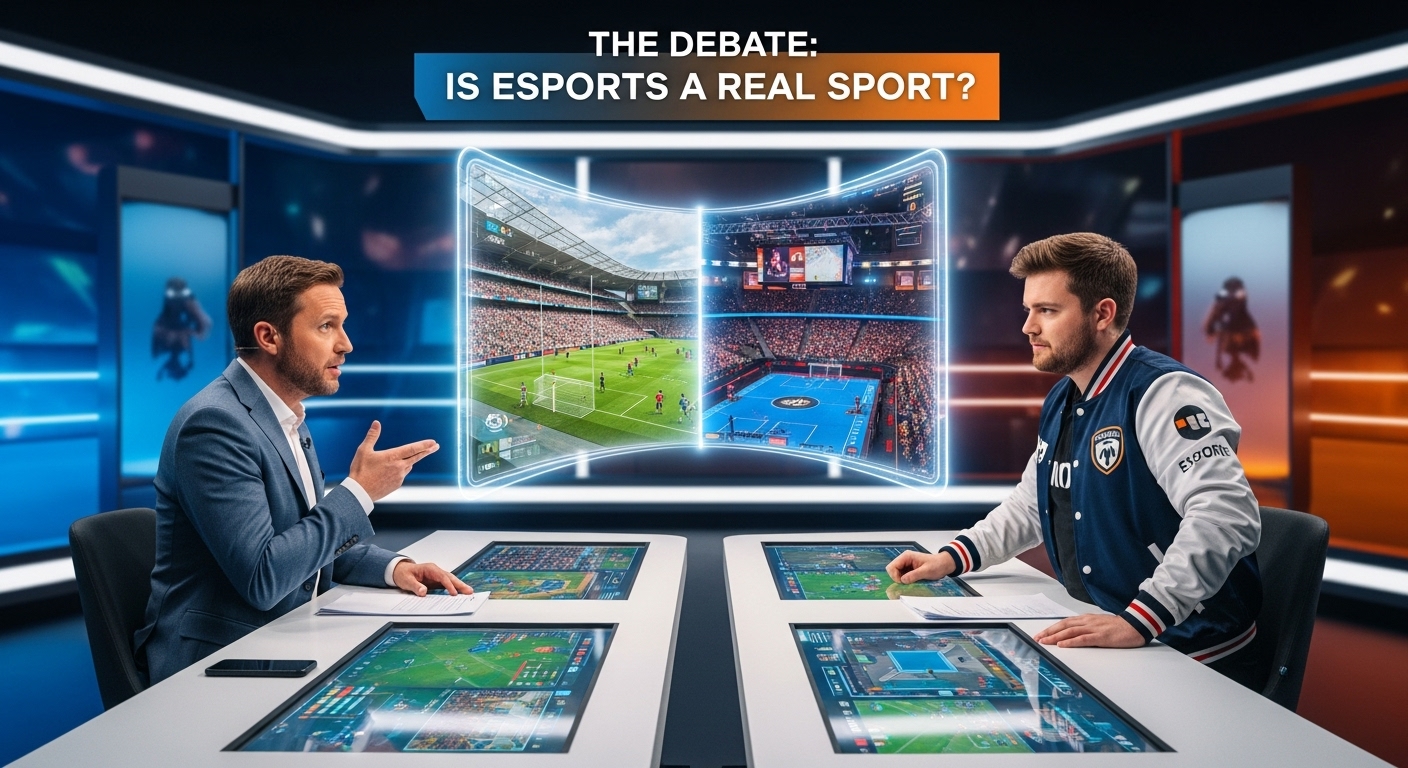
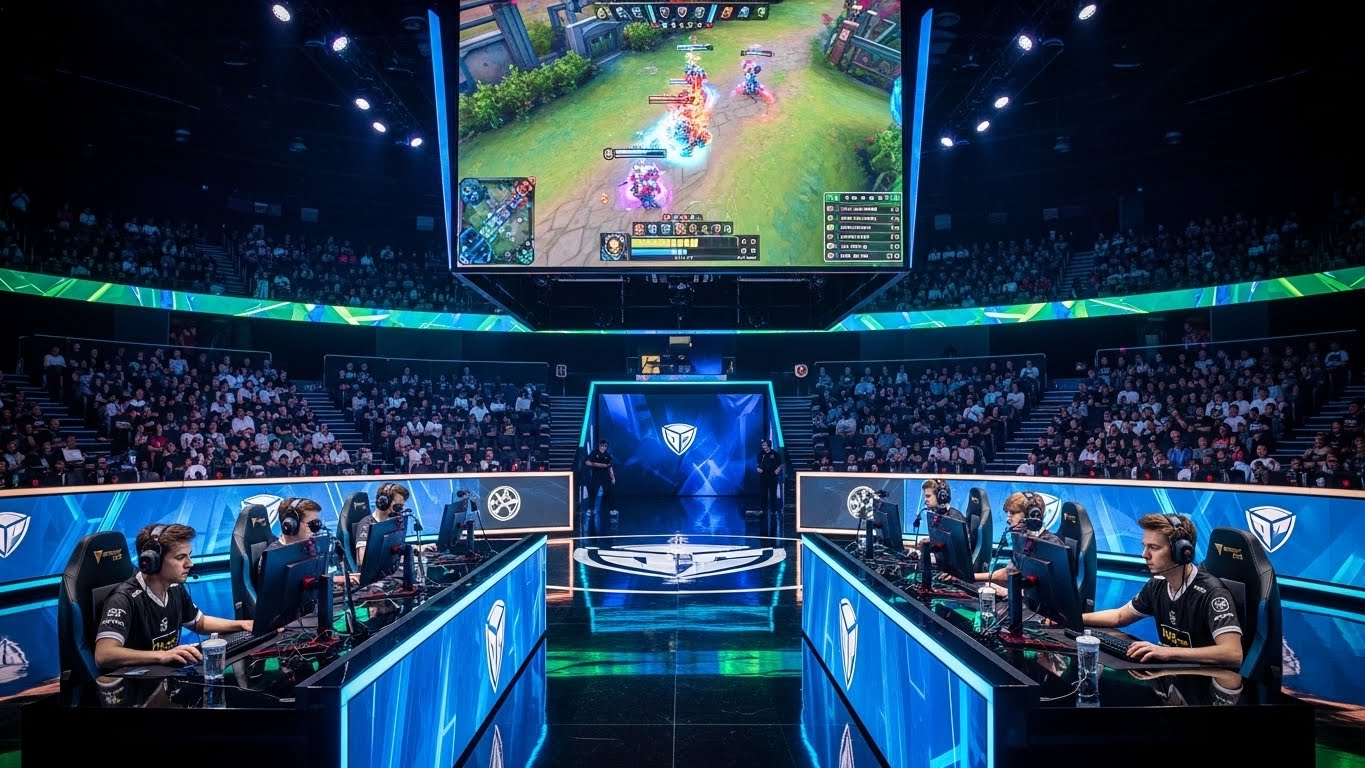
Esports, short for electronic sports, has transformed from a niche hobby into one of the most influential entertainment industries of the modern era. Once limited to small local competitions, esports has grown into a global movement involving professional teams, competitive leagues, massive arenas, and millions of devoted fans. What was once considered a pastime for gamers is now recognized as a legitimate competitive discipline that requires skill, strategy, teamwork, discipline, and exceptional mental agility.
As technology continues to advance, esports stands at the intersection of gaming, entertainment, and sports culture. Whether it’s fast-paced battle arenas, strategic team-based shooters, or elaborate real-time strategy games, esports provides thrilling competition and immersive storytelling on a digital battlefield.
The Early Evolution of Esports
The origins of esports can be traced back to the late twentieth century when video game competitions first emerged in arcades and early computer labs. These events were relatively small, often attracting only local participants. However, they planted the seeds of what would eventually become a massive competitive industry.
During the 1990s, as the internet became more accessible, multiplayer gaming began to thrive. Titles like early first-person shooters and real-time strategy games introduced competitive play that could reach beyond local areas. The rise of online connectivity allowed players from around the world to compete in real time, creating a new culture of global gaming communities.
The early 2000s marked a turning point for esports. Professional gaming tournaments began to attract corporate sponsors, larger prize pools, and media coverage. Events became more organized and structured, laying the foundation for the modern professional ecosystem. What started as casual competition evolved into a professional pursuit that demanded skill, practice, and strategic depth.
Popular Genres and Games in Esports
Esports spans a diverse range of game genres, each offering unique styles of play and competitive environments.
One of the most iconic categories is the multiplayer online battle arena genre. These games emphasize strategy, teamwork, and character mastery, drawing millions of viewers to tournaments each year. The fast-paced action, complex mechanics, and unpredictable outcomes keep both players and fans deeply engaged.
First-person shooters form another major pillar of the esports world. These games require precision aiming, quick reflexes, tactical communication, and split-second decision-making. Competitive matches often unfold at lightning speed, making them thrilling for both participants and spectators.
Sports simulation games also have a strong presence in esports. These titles replicate real-world sports, allowing players to control teams or athletes in virtual competitions that mirror traditional sporting events. Their accessibility and familiarity attract fans who may not be typical gamers.
Fighting games remain a staple in competitive gaming culture as well. These titles require mastery of combos, timing, and character matchups. Fighting game tournaments often showcase intense, one-on-one battles that highlight mechanical skill and mental endurance.
Other genres such as real-time strategy games, digital card games, and battle royale titles continue to expand the esports ecosystem, making the landscape diverse and dynamic.
The Growth of Esports as a Professional Industry
Esports has evolved into a structured, competitive ecosystem that rivals traditional sports. Professional teams have coaches, analysts, nutritionists, and training schedules designed to optimize performance. Players undergo rigorous practice routines, studying strategies, reviewing game footage, and developing synergy with teammates.
Leagues and tournaments form the backbone of the esports industry. Seasonal competitions, regional qualifiers, and international championships create a year-round calendar of events. Prize pools for major tournaments often reach millions, incentivizing players to dedicate themselves fully to their craft.
Sponsorships and partnerships are a major driving force behind the industry’s growth. Companies across technology, apparel, energy drinks, and even automotive brands invest in teams and events. These partnerships provide financial support while bringing mainstream recognition to the esports world.
The growth of professional esports has also created numerous career opportunities beyond playing. Commentators, analysts, event coordinators, production crews, and content creators all contribute to the vibrant ecosystem that surrounds competitive gaming.
The Role of Technology in Esports
Technology has been essential to the rise and evolution of esports. High-performance gaming hardware enables fast, smooth gameplay that allows players to compete at the highest level. Advanced computers, monitors with high refresh rates, gaming peripherals, and optimized networks ensure minimal lag and maximum responsiveness.
Streaming and broadcasting technology have also played a crucial role. Virtual tournaments and live events are streamed to millions of viewers around the world. Broadcast innovations include professional commentary, in-game analytics, multi-angle views, and instant replays. This polished presentation brings esports closer to traditional sports broadcasts, making them accessible to broader audiences.
The rise of streaming platforms has also given individual players and content creators a stage to showcase their skills outside tournaments. Many professional players maintain their presence by streaming their practice sessions, interacting with fans, and building personal brands.
As virtual reality, augmented reality, and artificial intelligence continue to advance, they will further influence the future of esports. These technologies could enhance training, create new competitive genres, and transform how fans experience events.
Esports as a Global Cultural Movement
Esports is more than digital competition; it has become a cultural movement that transcends borders. Fans follow teams, discuss strategies, purchase merchandise, and attend live events with the same enthusiasm found in traditional sports. Global communities share memes, highlights, and discussions that help shape the culture surrounding each game.
Many esports athletes have become celebrities, achieving fame not only through competition but also through their personality and presence in the gaming world. Their influence extends beyond the digital realm, inspiring younger generations who dream of becoming professional gamers.
Esports also brings people together socially. Regardless of location, players can team up, compete, and build friendships online. Communities form around games, tournaments, and content creators, creating a sense of belonging and shared passion.
Educational and Cognitive Benefits of Esports
While commonly viewed as entertainment, esports offers various cognitive and educational benefits. Competitive gaming challenges players to think strategically, solve problems quickly, and adapt to changing situations. Reaction speed, multitasking ability, and pattern recognition all improve through consistent play.
Esports also emphasizes teamwork and communication. Players must collaborate effectively, coordinate strategies, and maintain composure under pressure. These skills translate into real-world scenarios, such as group projects, leadership roles, and workplace responsibilities.
Some educational institutions have recognized the value of esports and have begun to offer scholarships, training programs, and academic courses related to gaming, digital media, and competition. Esports programs teach students about broadcasting, event management, game design, and business, making it a multidisciplinary field with academic potential.
Economic Impact of Esports
Esports has become a major economic force worldwide. Revenue streams include advertising, sponsorships, ticket sales, media rights, merchandise, and in-game purchases. As the industry continues to grow, it generates employment opportunities across multiple sectors.
Cities and countries are investing in esports infrastructure, including arenas, training facilities, and event centers. These investments boost tourism, create jobs, and establish regions as competitive gaming hubs.
The content creation ecosystem surrounding esports also contributes significantly to the economy. Streamers, video editors, graphic designers, and marketing teams all play essential roles in promoting teams and events.
Challenges Facing the Esports Industry
Despite its remarkable growth, esports faces several challenges. One of the most significant is maintaining competitive balance and fairness. Issues such as cheating, match fixing, and toxicity must be addressed through strict regulations, enforcement, and ethical standards.
Player health is another concern. Professional players often train for long hours, which can lead to physical and mental fatigue. Proper training routines, rest, and support systems are essential to ensure longevity in esports careers.
The rapid growth of the industry also means that regulations and governance structures are still evolving. Establishing consistent rules, fair compensation, and player protections will be essential for the industry’s continued success.
The Future of Esports
The future of esports is full of potential and innovation. As technology continues to advance, new genres and competitive formats will emerge. Virtual reality and augmented reality may create immersive competitive experiences that redefine the boundaries of digital sports.
Esports will continue to integrate with traditional sports, education, and mainstream entertainment. Schools, universities, and organizations will increasingly adopt esports programs and invest in competitive gaming.
Viewership will also grow as more content becomes accessible through streaming and media coverage. Global tournaments will continue to attract massive audiences, turning esports championships into cultural celebrations that unite fans worldwide.
Conclusion
Esports has transcended its early roots to become a global powerhouse in entertainment, competition, and culture. It emphasizes skill, strategy, teamwork, and dedication, offering opportunities for players, creators, and industries alike.
From massive tournaments to online communities, esports has created a world where digital athletes compete for glory while inspiring millions of fans. As technology and culture evolve, esports will continue to expand, innovate, and shape the future of competitive entertainment.
The rise of esports marks a new era where digital champions stand at the forefront of global competition, proving that passion, skill, and creativity can turn virtual dreams into real-world achievements.