
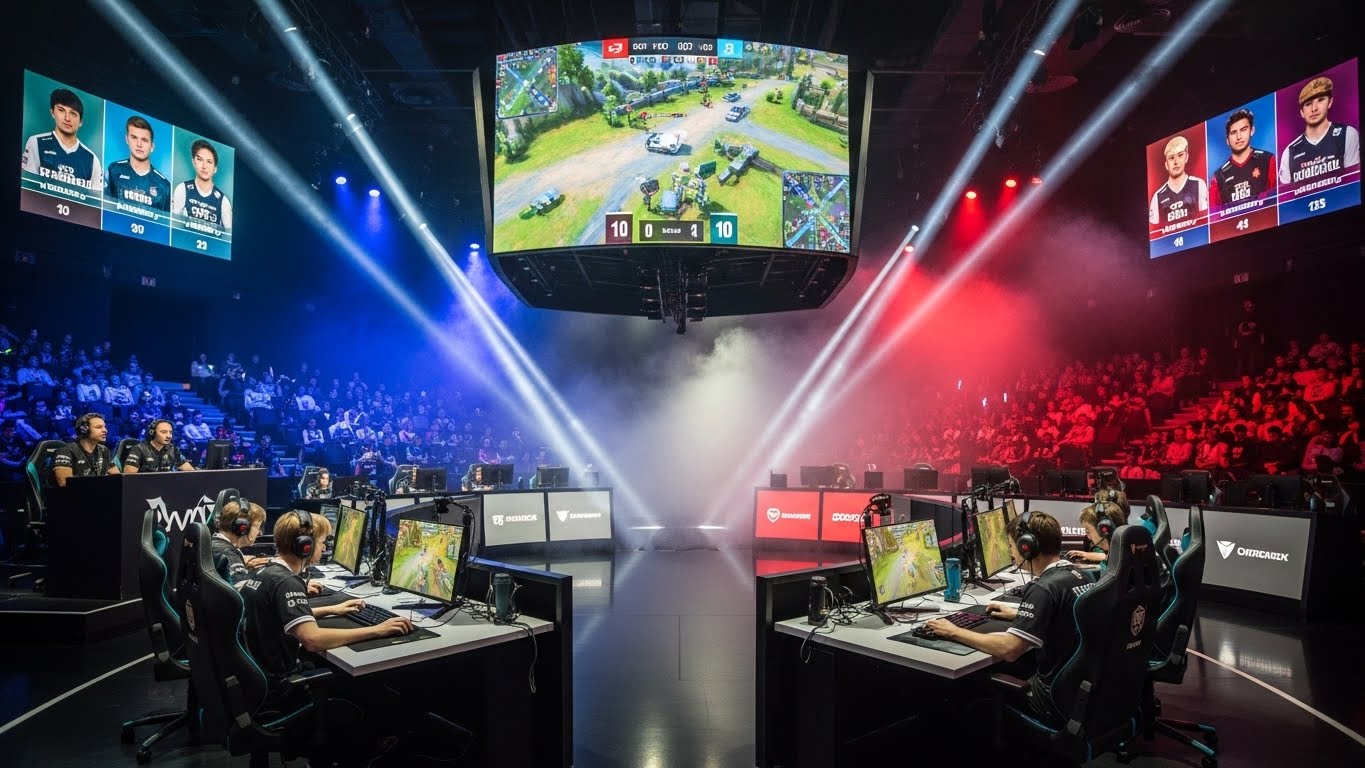
Introduction: The Essence of Sports
Sports have always held a unique place in human society. They are more than just games; they are a reflection of culture, a celebration of human potential, and a tool for personal and social development. Across the globe, people engage in sports in some form, whether playing professionally, casually, or cheering as fans. Sports connect individuals, promote health, and teach essential life skills. They are a universal language that transcends geography, language, and social boundaries, bringing people together through shared experiences and passion.
Physical Benefits: Strengthening the Body
The most obvious advantage of participating in sports is the physical health benefits. Regular engagement in athletic activities strengthens the heart, muscles, and bones while enhancing flexibility and coordination. Activities like running, swimming, or team sports such as football and basketball improve endurance and overall fitness. Physical activity through sports also reduces the risk of chronic illnesses such as obesity, diabetes, and heart disease. Children and adults alike benefit from active participation, which promotes long-term health and a more energetic lifestyle.
Mental Benefits: Strengthening the Mind
While the physical benefits are visible, the mental advantages of sports are equally significant. Playing sports develops focus, memory, and problem-solving skills. Athletes often experience reduced stress and improved mood due to the release of endorphins during physical activity. Moreover, sports teach resilience and the ability to handle pressure, as players must learn to recover from mistakes and setbacks. Team sports foster emotional intelligence by encouraging communication, empathy, and collaboration, all of which are invaluable both on and off the field.
Character Development Through Sports
Sports are powerful tools for building character. They teach discipline, perseverance, and integrity. Athletes learn to set goals, work diligently to achieve them, and face challenges with determination. Winning and losing with grace is another important lesson, as sports highlight that success is not only measured by victory but also by effort, strategy, and sportsmanship. These values often translate into personal and professional life, helping individuals navigate challenges with a balanced mindset and strong moral compass.
Teamwork and Leadership
One of the defining features of sports is the emphasis on teamwork. Team sports teach players how to collaborate, communicate, and support each other. Individuals learn to play roles that contribute to the team’s success rather than focusing solely on personal achievements. Leadership skills are cultivated as players take responsibility for guiding and motivating their teammates. Even in individual sports, athletes learn the importance of coaches, mentors, and support systems, demonstrating that success often comes from a combination of personal effort and collective encouragement.
Sports as a Social Equalizer
Sports have the unique ability to break down social barriers. They bring together people from different socioeconomic, cultural, and ethnic backgrounds, creating a sense of unity and shared purpose. Public sporting events and competitions generate community spirit and national pride. Moreover, sports encourage inclusivity by providing platforms for marginalized groups to participate and excel. Adaptive sports, for instance, allow differently-abled individuals to showcase their talents, highlighting that ability and determination matter more than physical limitations.
Women in Sports: A Rising Force
Historically, sports were male-dominated, but the increasing participation of women has transformed the landscape. Female athletes are breaking stereotypes, achieving global recognition, and inspiring the next generation. Women’s sports now enjoy growing visibility, from professional leagues to international competitions. This change is not just about equality in opportunities but also about challenging societal norms and promoting empowerment. Women in sports exemplify courage, dedication, and resilience, making significant contributions to the evolution of the sporting world.
The Economic Impact of Sports
Sports are a major contributor to the global economy. Professional leagues, tournaments, and events generate billions in revenue through ticket sales, merchandise, broadcasting, and sponsorships. Employment opportunities abound in areas such as coaching, administration, journalism, fitness training, and event management. Sports also boost tourism and infrastructure development in host cities, creating long-lasting economic benefits. Beyond finance, sports stimulate industries such as apparel, nutrition, and technology, showing that the influence of sports extends far beyond the playing field.
Sports and Youth Development
For children and teenagers, sports are crucial for holistic development. Participation instills discipline, time management, and responsibility, as young athletes balance academics and training. It also helps build self-confidence and resilience, encouraging them to tackle challenges proactively. Sports provide a safe environment for social interaction, teaching respect, cooperation, and conflict resolution. Moreover, youth sports programs nurture talent, giving young athletes the opportunity to pursue professional careers while learning values that last a lifetime.
Technology in Modern Sports
The evolution of technology has significantly changed how sports are played, analyzed, and experienced. Advanced performance tracking, data analytics, and virtual coaching enhance training and strategy. Wearable devices monitor physical activity, allowing athletes to optimize performance and reduce injuries. Fans enjoy immersive experiences through live streaming, virtual reality, and interactive platforms. While technology has improved efficiency and engagement, the essence of sports—skill, determination, and fair play—remains at the core of every game.
Sports and Mental Health Awareness
In recent years, the connection between sports and mental health has received growing attention. Participation in sports helps reduce anxiety, depression, and stress, offering both a physical and psychological outlet. High-profile athletes speaking about mental health struggles have also helped destigmatize the topic, encouraging others to seek help and prioritize emotional well-being. Sports offer coping mechanisms, build resilience, and provide a sense of purpose, emphasizing that mental health is just as important as physical fitness.
Fan Culture and Emotional Connection
Fans play an essential role in sports, creating vibrant communities and traditions. The emotional connection between supporters and athletes or teams adds depth to the experience of sports. Celebrating victories and enduring losses together fosters a sense of belonging and shared identity. Fan engagement transcends age, background, and geography, demonstrating that sports have a unique ability to evoke passion, loyalty, and camaraderie. The energy and enthusiasm of fans elevate games and inspire athletes to perform at their best.
Sports as a Platform for Social Change
Athletes have long used their platforms to advocate for important social causes. From promoting equality and environmental sustainability to fighting discrimination and raising awareness for health issues, sports provide visibility for change. Public figures in sports influence millions, making their voices powerful tools for advocacy. By using their success to address societal challenges, athletes demonstrate that sports can drive progress beyond entertainment, creating meaningful impact in communities and nations worldwide.
Global Unity Through Sports
In an increasingly divided world, sports serve as a bridge between nations. International competitions foster cultural exchange, mutual respect, and cooperation. Athletes from diverse backgrounds compete together and celebrate human potential, sending messages of peace and unity. Global events like the Olympics or World Championships demonstrate that despite differences, the love for sports and the pursuit of excellence can unite people across continents, encouraging collaboration and understanding on a global scale.
Conclusion: Life Lessons Beyond the Game
Sports are much more than entertainment; they are a mirror of human values and a teacher of life lessons. Participation in sports develops discipline, resilience, teamwork, and leadership. Communities experience unity, cultural exchange, and pride. Economies benefit, and youth gain skills and confidence that last a lifetime. Sports inspire, challenge, and unite, proving that their significance extends far beyond the scoreboards and trophies. Every game played or watched contributes to personal growth and social progress, reminding us that the true value of sports lies not only in winning but in the journey, the effort, and the shared human experience.

