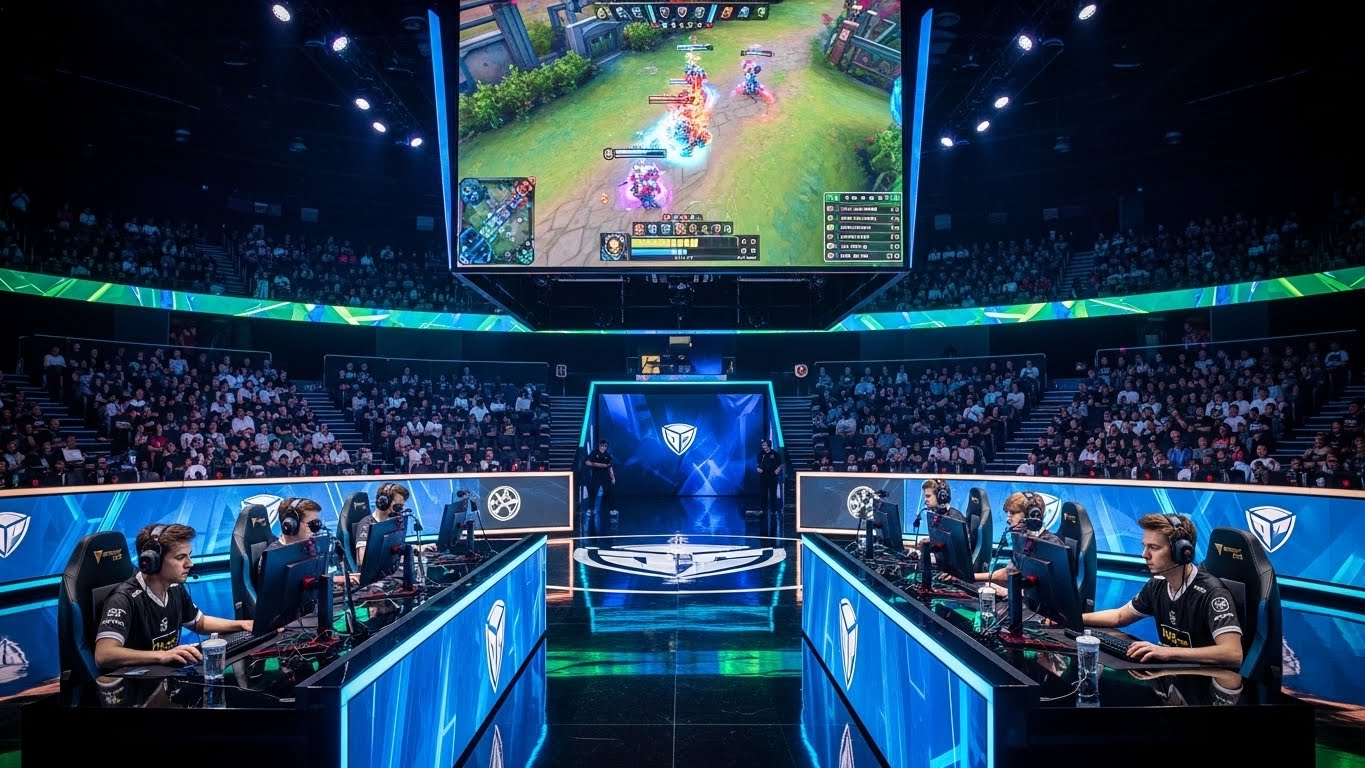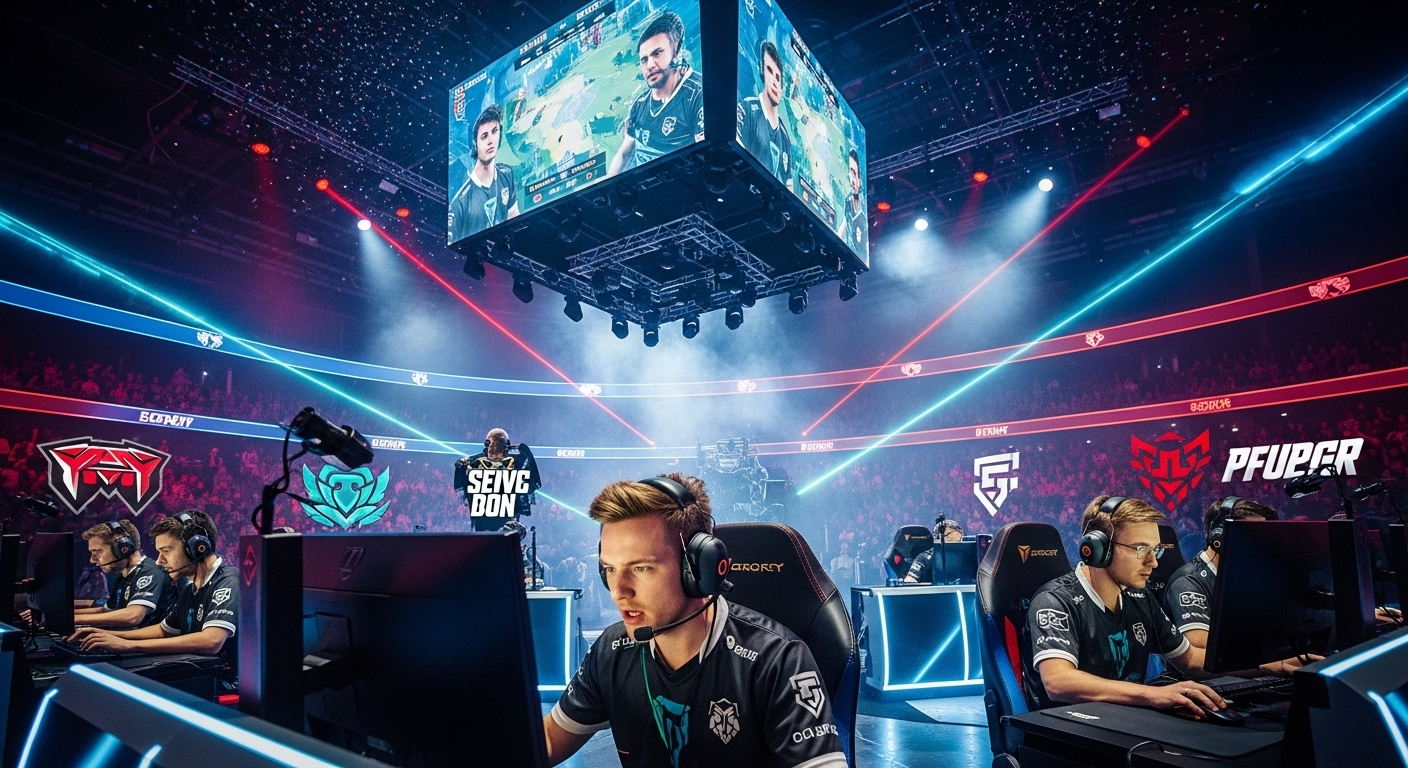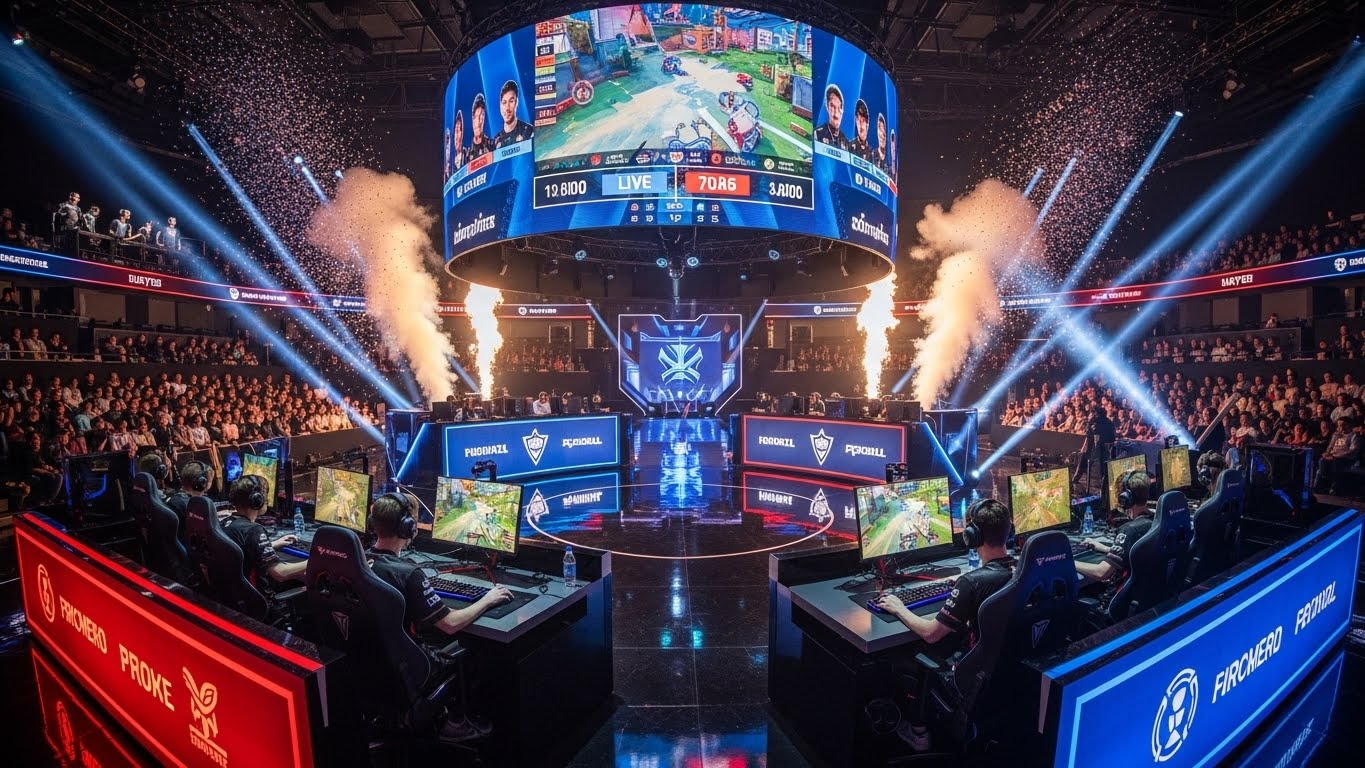
Esports, once considered a niche pastime, has exploded into a global phenomenon, transforming the way people perceive gaming. Today, competitive gaming is not just entertainment; it is a professional pursuit, a cultural movement, and an industry worth billions. From teenage enthusiasts playing in their bedrooms to professional athletes competing on massive stages, esports demonstrates that video games have become a serious arena of skill, strategy, and spectacle. This article delves into the rise of esports, its impact on individuals and society, and the opportunities it creates for the future.
The Rise of Esports
Esports began quietly with arcade competitions and small-scale tournaments, but technological advancements and the internet revolutionized the landscape. The introduction of multiplayer online games allowed gamers from different locations to compete in real-time, creating a competitive environment that transcended local boundaries. Games like StarCraft, Counter-Strike, and Dota paved the way for professional gaming, while the rise of live streaming platforms allowed millions of fans to watch events from their homes.
Today, esports has become a multi-billion-dollar industry. Tournaments are held in large arenas, attracting thousands of spectators, while global online audiences can reach millions. Professional teams, sponsorships, and media rights contribute to the growth of esports, making it one of the most dynamic and rapidly expanding sectors in entertainment.
The Competitive Structure of Esports
Much like traditional sports, esports has a well-organized competitive structure. Professional players join teams, practice rigorously, and participate in leagues and tournaments to showcase their skills. The competitive scene is structured with local, regional, and international competitions, providing opportunities for players to progress and achieve recognition on a global stage.
Teams are supported by coaches, analysts, and support staff who strategize gameplay, analyze opponents, and optimize performance. Tournaments often feature prize pools ranging from tens of thousands to millions of dollars, reflecting the seriousness and professionalism of the industry. The structure of esports allows players to pursue gaming as a legitimate career while also providing fans with a sense of excitement and loyalty similar to traditional sports fandom.
Physical and Mental Demands of Esports
Although gaming is often perceived as sedentary, professional esports requires a combination of physical precision and mental acuity. Players must maintain sharp reflexes, hand-eye coordination, and precise motor skills. Long gaming sessions demand physical endurance, which is why many professional gamers incorporate exercise routines to stay fit and maintain focus.
Equally important are mental skills such as strategic thinking, decision-making under pressure, and rapid problem-solving. Players must anticipate opponents’ moves, adapt strategies in real time, and maintain concentration throughout high-stakes matches. Mental resilience is critical, as players face intense pressure, criticism, and the emotional highs and lows of competition. In many ways, the cognitive demands of esports rival those of traditional sports, making it a unique combination of physical and mental performance.
Career Opportunities in Esports
Esports provides a wide array of career opportunities beyond competitive play. Professional gaming is just one avenue; coaching, game analysis, content creation, event management, and commentary are also viable career paths. Many players leverage streaming platforms and social media to build personal brands, securing sponsorships and partnerships that generate income.
Universities have recognized the potential of esports, offering scholarships for talented players and integrating esports programs into academic curricula. The industry also fuels innovation in technology, gaming hardware, and software development. For young people passionate about gaming, esports can be a pathway to a fulfilling and profitable career that combines personal interest with professional growth.
Esports and Community
A core element of esports is community. Unlike traditional sports, esports is highly accessible, allowing fans and players worldwide to connect, collaborate, and compete. Online forums, streaming platforms, and social media create spaces for discussion, strategy sharing, and fan engagement, fostering a sense of belonging and identity.
Esports communities also support mentorship and learning. Experienced players guide newcomers, sharing tips, strategies, and insights. This communal aspect strengthens the ecosystem, making esports not only about competition but also about collaboration, social connection, and shared passion. The global reach of esports ensures that cultural and geographical boundaries are less significant, creating an inclusive and diverse community.
Cultural Impact of Esports
Esports has transformed popular culture, influencing entertainment, fashion, and lifestyle trends. Gaming personalities and streamers often become cultural icons, setting trends for apparel, technology, and social engagement. Popular games inspire music, movies, and literature, while tournaments and live events attract media attention similar to major sports championships.
The cultural impact of esports is also seen in how it reshapes social norms. Competitive gaming challenges the perception that video games are merely recreational, demonstrating that gaming can cultivate skills, discipline, and professionalism. Esports encourages innovation, creativity, and collaboration, influencing how younger generations perceive work, play, and achievement.
Technological Advancements in Esports
Technology is at the heart of esports, driving its growth and evolution. High-speed internet, advanced gaming hardware, and sophisticated software create immersive experiences for players and spectators alike. Analytics tools help teams optimize strategies, track performance, and gain competitive advantages, while streaming platforms enable global audiences to watch matches live.
Emerging technologies such as virtual reality and augmented reality promise to revolutionize esports further. These innovations will create new types of games, enhance fan engagement, and introduce immersive experiences that go beyond traditional gaming. Technology not only supports esports but also shapes its future, ensuring continuous evolution and expansion.
Mental Health and Well-Being in Esports
The intense nature of esports presents challenges for mental health. Players often face long hours of practice, high expectations, and public scrutiny, which can lead to stress, anxiety, and burnout. Recognizing these risks, professional organizations increasingly provide mental health support, wellness programs, and resources for stress management.
Maintaining a healthy balance between gaming, rest, and physical activity is crucial for long-term success. Many players practice mindfulness, exercise, and structured routines to ensure mental resilience and overall well-being. The focus on mental health within esports demonstrates the industry’s commitment to sustainable growth and the welfare of its players.
Global Reach and Recognition
Esports has achieved remarkable global recognition. Countries such as South Korea, the United States, and China are prominent hubs for competitive gaming, while other regions continue to emerge as influential players in the industry. International tournaments attract millions of viewers, uniting fans across continents and creating shared cultural experiences.
The global reach of esports highlights its ability to transcend traditional boundaries of geography, culture, and language. Fans from different parts of the world can follow the same games, support the same teams, and engage in discussions, creating a worldwide network of enthusiasts. Esports has become a truly international phenomenon, fostering cultural exchange and global connectivity.
Education and Skill Development Through Esports
Esports offers educational benefits beyond entertainment. Participation in competitive gaming develops critical skills such as strategic thinking, teamwork, communication, and digital literacy. Schools and universities increasingly recognize these skills, incorporating esports programs to teach leadership, problem-solving, and collaboration.
Esports scholarships provide opportunities for talented students to pursue higher education while developing their gaming careers. This integration of esports into education reflects its legitimacy and emphasizes the value of gaming as a tool for personal and professional growth.
The Future of Esports
The future of esports is bright, with continued growth expected in viewership, revenue, and global influence. Mobile esports, virtual reality competitions, and cross-platform gaming are likely to expand participation and engagement. Mainstream media integration, innovative broadcasting methods, and technological advancements will further enhance the spectator experience.
As esports continues to mature, it may gain recognition alongside traditional sports in multi-sport events and international competitions. The industry will likely continue to redefine entertainment, competition, and community engagement, solidifying its place as a permanent fixture in modern culture.
Conclusion: Esports as a Transformative Industry
Esports is more than gaming; it is a transformative cultural, social, and economic force. It challenges traditional notions of sports, entertainment, and professional achievement, offering opportunities for personal growth, global connection, and career development.
By embracing esports, society acknowledges the evolving nature of competition and entertainment. It celebrates skill, strategy, and creativity in the digital age, demonstrating that gaming can be both meaningful and impactful. The rise of esports reflects the innovative spirit of modern culture and the limitless potential of human ingenuity in shaping the future of play, work, and connection.
Esports has leveled up reality, proving that behind every screen, there is a world of skill, strategy, and human ambition ready to inspire millions.