Introduction: The Digital Revolution in Sports
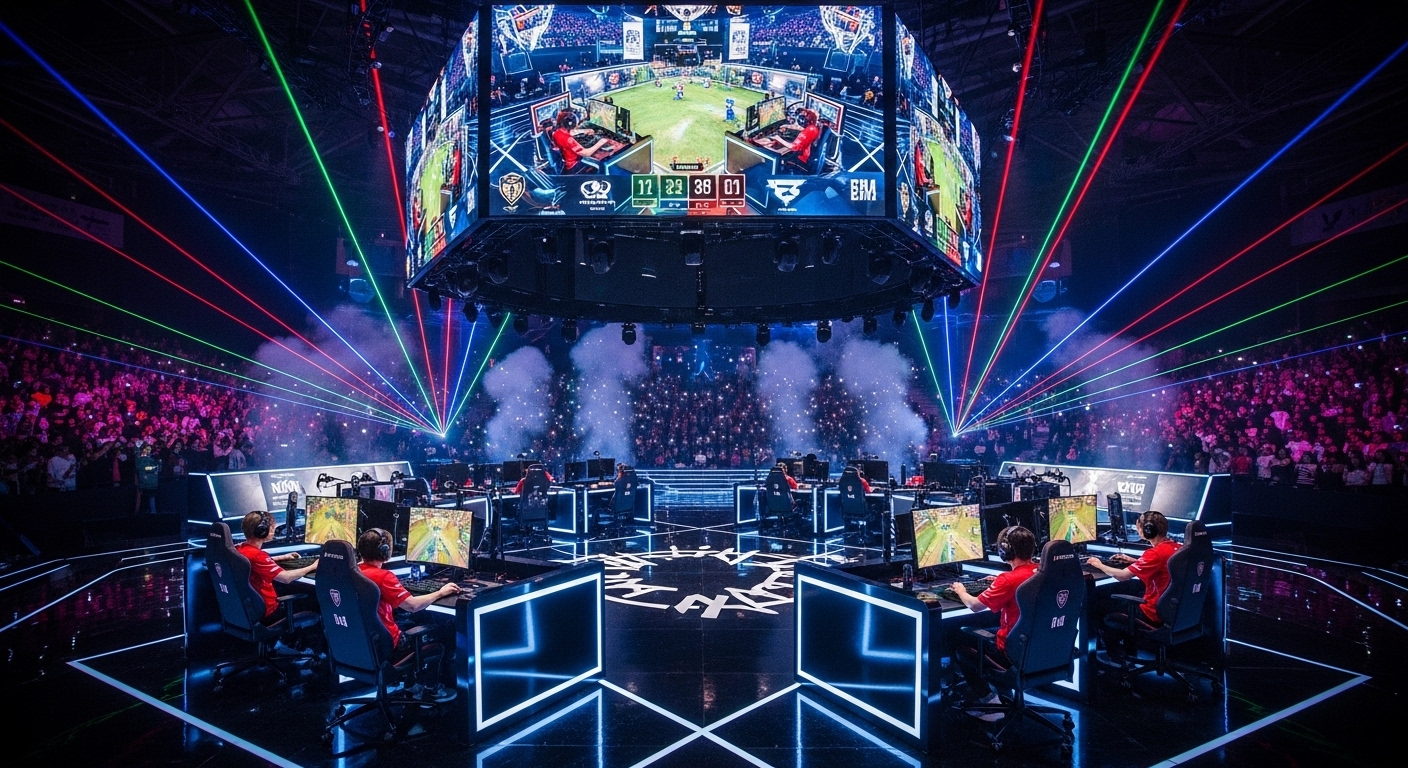
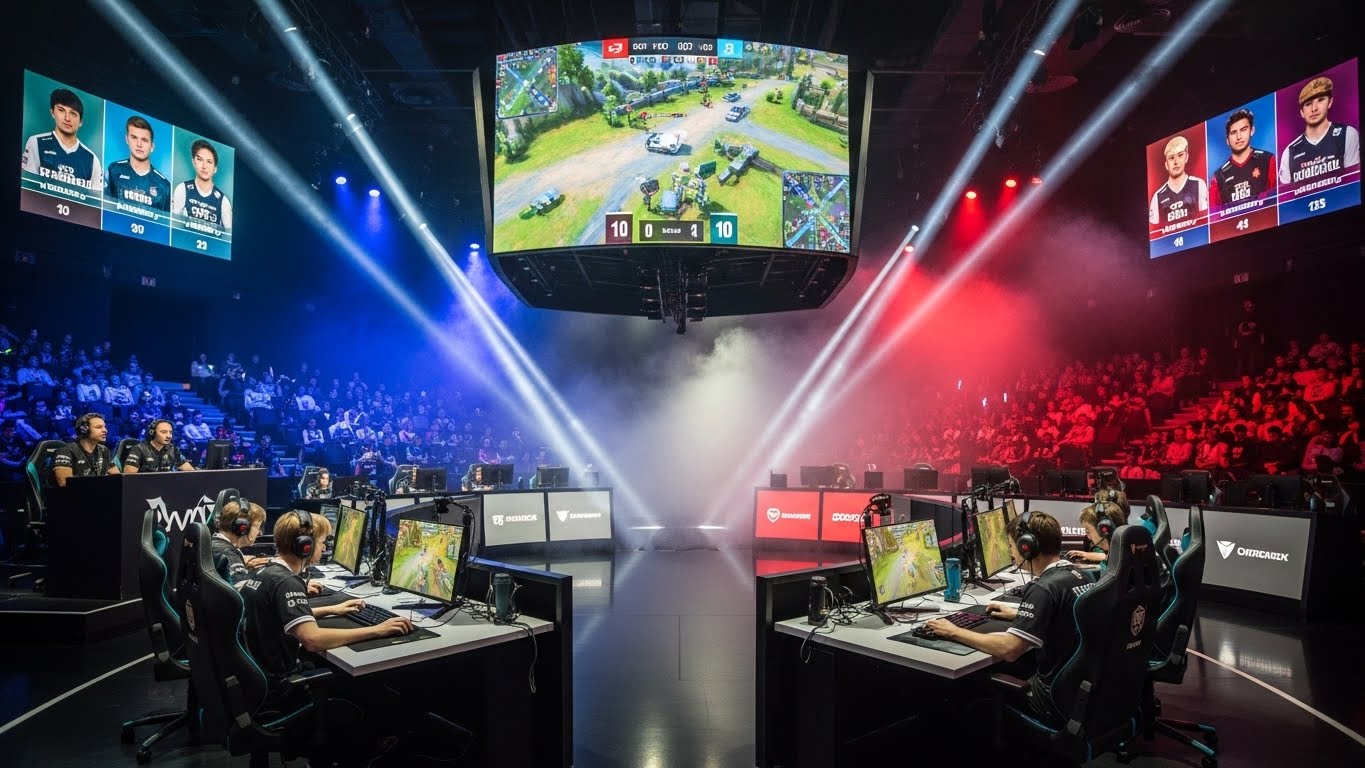
Esports, short for electronic sports, has evolved from a casual pastime into a global phenomenon. What was once seen as mere entertainment for teenagers in their bedrooms has now become a legitimate competitive arena watched by millions worldwide. The rise of esports mirrors the digital revolution, where technology, entertainment, and competition intersect in ways that were unimaginable a few decades ago. Professional players, teams, tournaments, and leagues have emerged, transforming esports into a multi-billion-dollar industry and a cultural movement that continues to grow exponentially.
The Evolution of Esports
The roots of esports can be traced back to the late 1970s and early 1980s with arcade game competitions and local tournaments. Early gaming contests featured titles like Pong and Space Invaders, attracting small audiences and modest prizes. As home computers and consoles became more common, competitive gaming expanded, giving rise to games such as Street Fighter, StarCraft, and Counter-Strike, which laid the foundation for modern esports.
The 2010s marked a turning point for esports with the emergence of streaming platforms. Millions of viewers could now watch games live, interact with streamers, and participate in online communities. This era introduced major titles such as League of Legends, Dota 2, and Fortnite to mainstream audiences. Today, esports rivals traditional sports in popularity, offering a mix of competition, entertainment, and fan engagement.
Popular Esports Genres and Games
Esports encompasses a wide variety of games, each requiring distinct skills and strategies. Multiplayer online battle arena games, or MOBAs, such as League of Legends and Dota 2, demand teamwork, strategic planning, and precise execution. First-person shooters, including Counter-Strike: Global Offensive and Call of Duty, emphasize quick reflexes, tactical thinking, and accuracy.
Battle royale games like Fortnite and Apex Legends focus on survival, adaptability, and high-pressure decision-making. Sports simulation titles, such as FIFA and NBA 2K, bridge the gap between traditional sports and digital competition. Fighting games like Street Fighter and Tekken highlight individual skill, timing, and pattern recognition. The diversity of esports titles ensures opportunities for a wide range of players while providing engaging content for fans.
The Economics of Esports
Esports has grown into a multi-billion-dollar industry with diverse revenue streams. Sponsorships from global brands provide significant financial support, while merchandise, ticket sales, and broadcasting rights contribute to the overall revenue. Major tournaments offer prize pools reaching millions of dollars, attracting top players and teams from around the world.
Professional players earn income not only from tournament winnings but also from salaries, brand endorsements, and streaming revenue. High-profile esports athletes can achieve celebrity status, comparable to traditional sports stars. This financial viability has attracted investors, media companies, and even professional sports organizations, solidifying esports as a sustainable industry.
Training and Professionalism in Esports
Competitive gaming requires discipline, training, and strategic planning. Professional players often spend hours each day practicing, analyzing gameplay, and refining strategies. Physical fitness, mental conditioning, and teamwork are crucial components of a player’s regimen. Coaches, analysts, and psychologists are frequently employed to optimize performance, prevent burnout, and maintain a competitive edge.
Esports academies and training centers have emerged to nurture young talent. These institutions provide structured training, mentorship, and exposure to competitive environments, preparing players for professional careers. The professionalization of esports ensures high-level competition and continuous improvement across all games and leagues.
The Esports Community and Culture
Esports is not just about playing games; it is a cultural movement. Fans engage with players and teams through social media, live streams, and online communities. Cosplay, fan art, and game-related content further enrich the esports experience. Community engagement fosters a sense of belonging, allowing fans to connect with others who share similar passions.
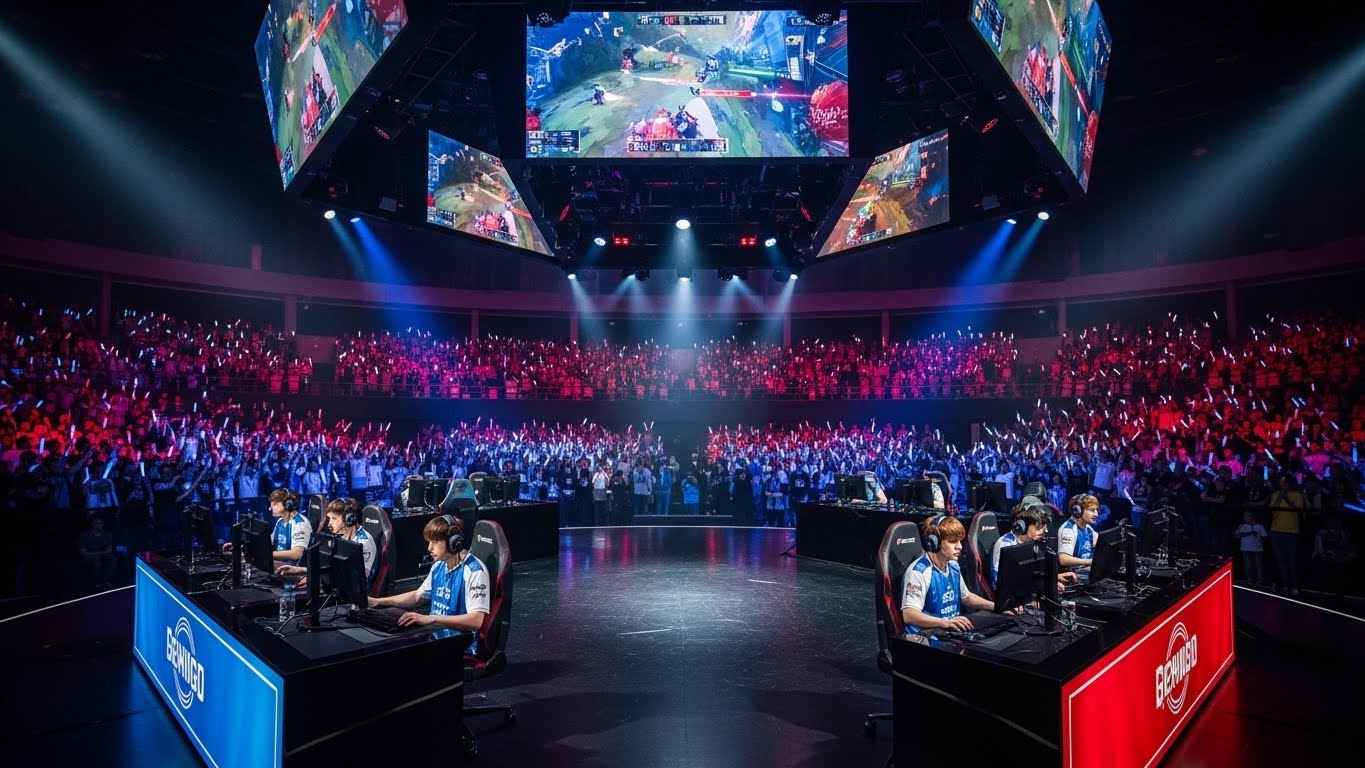
Live tournaments provide opportunities for fans to experience the excitement in person. Cheering for teams, celebrating victories, and analyzing gameplay creates a shared experience that strengthens community ties. This cultural dimension of esports is a major factor in its rapid growth and widespread popularity.
Esports in Education
The legitimacy of esports has led to its integration into educational programs. Many universities offer scholarships and courses focused on esports management, game design, and professional play. These programs equip students with valuable skills such as teamwork, strategic thinking, and digital literacy. High school esports clubs also provide structured competitive experiences, encouraging students to pursue gaming as both a recreational and professional pursuit.
Incorporating esports into education challenges stereotypes about gaming and demonstrates its potential to develop critical life skills. It prepares students for careers in technology, media, entertainment, and competitive gaming, broadening opportunities beyond traditional academic paths.
Technological Advancements Driving Esports
Technology is at the heart of esports growth. High-speed internet, advanced graphics, virtual reality, and cloud computing have enabled immersive gameplay experiences. Streaming platforms allow fans to watch tournaments live from anywhere in the world, while artificial intelligence and data analytics help players refine strategies and improve performance.
Emerging technologies like augmented reality and virtual reality promise to transform how audiences experience esports. Fans may soon participate in virtual stadiums, interact with players, and experience matches from unique perspectives, enhancing engagement and creating new forms of entertainment.
Challenges in the Esports Industry
Despite rapid growth, esports faces several challenges. Player health and well-being is a major concern. Extended practice hours, intense competition, and pressure to perform can lead to physical strain, mental health issues, and burnout. Ensuring proper rest, exercise, and psychological support is crucial for sustaining careers.
Regulation and standardization are also challenges. Unlike traditional sports, esports lacks universal governing bodies to enforce rules, contracts, and ethical standards. Contract disputes, cheating, and unfair practices occasionally occur, highlighting the need for oversight. Balancing monetization with player and fan satisfaction remains an ongoing challenge for organizers and developers.
The Future of Esports
The future of esports is bright and full of potential. As technology advances, esports will continue to grow in popularity and mainstream acceptance. Traditional sports organizations are investing in esports teams, media companies are exploring innovative broadcasting formats, and mobile esports is expanding accessibility in regions with high smartphone usage.
Virtual and augmented reality innovations will redefine fan experiences, creating immersive digital arenas where audiences can engage with matches in unprecedented ways. Esports will also continue to diversify across genres, platforms, and interactive experiences, ensuring its relevance for future generations.
Conclusion: Esports as a Modern Cultural Force
Esports has transformed the concept of competition in the digital age. It combines skill, strategy, teamwork, and entertainment in ways that traditional sports cannot fully replicate. With diverse games, professional training, global communities, and economic opportunities, esports represents a new era of cultural and competitive engagement.
The journey of esports from humble beginnings to a global phenomenon demonstrates its impact on entertainment, education, and technology. For players, fans, and industry professionals, esports is more than a game—it is a platform where talent, passion, and innovation converge. The rise of esports signals a future where digital competition will be celebrated alongside traditional sports, reshaping how we experience entertainment and achievement in the modern world.