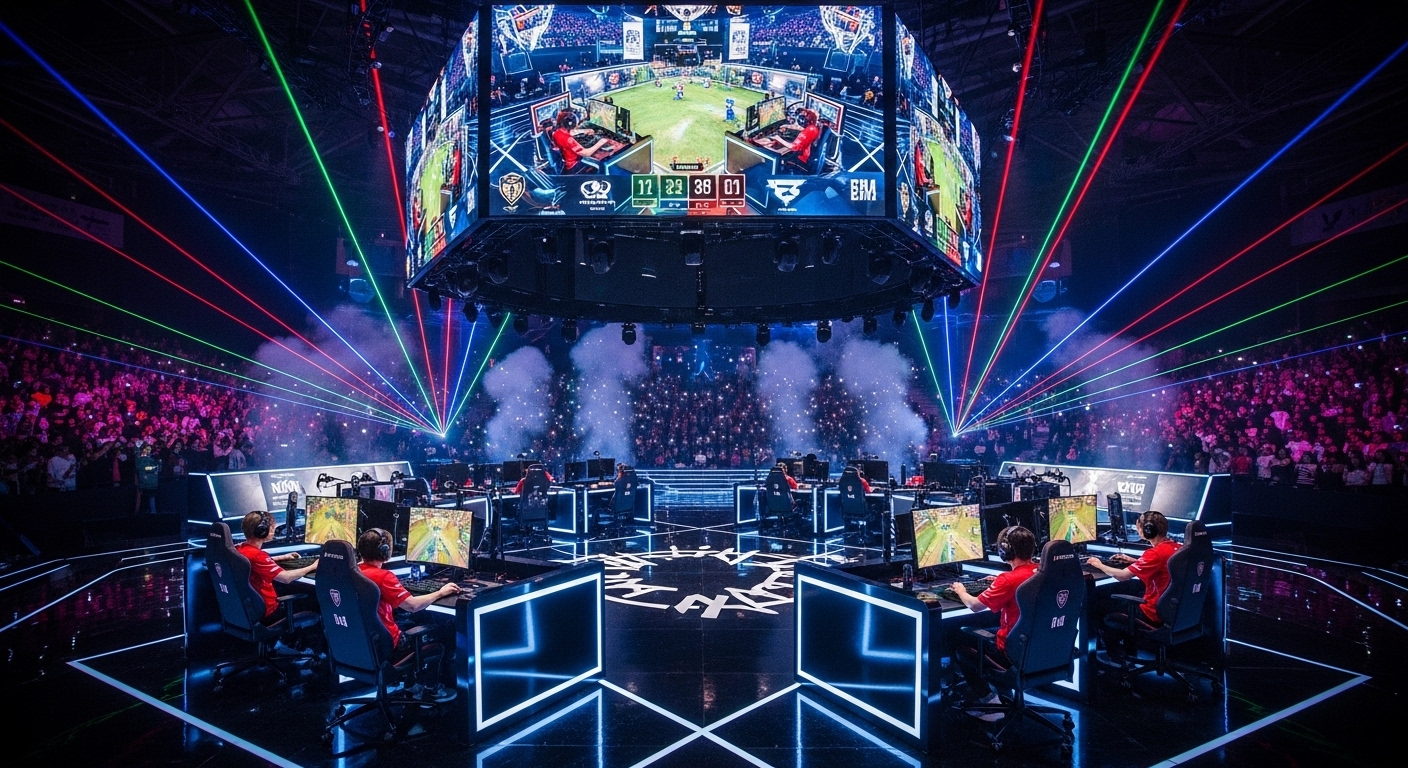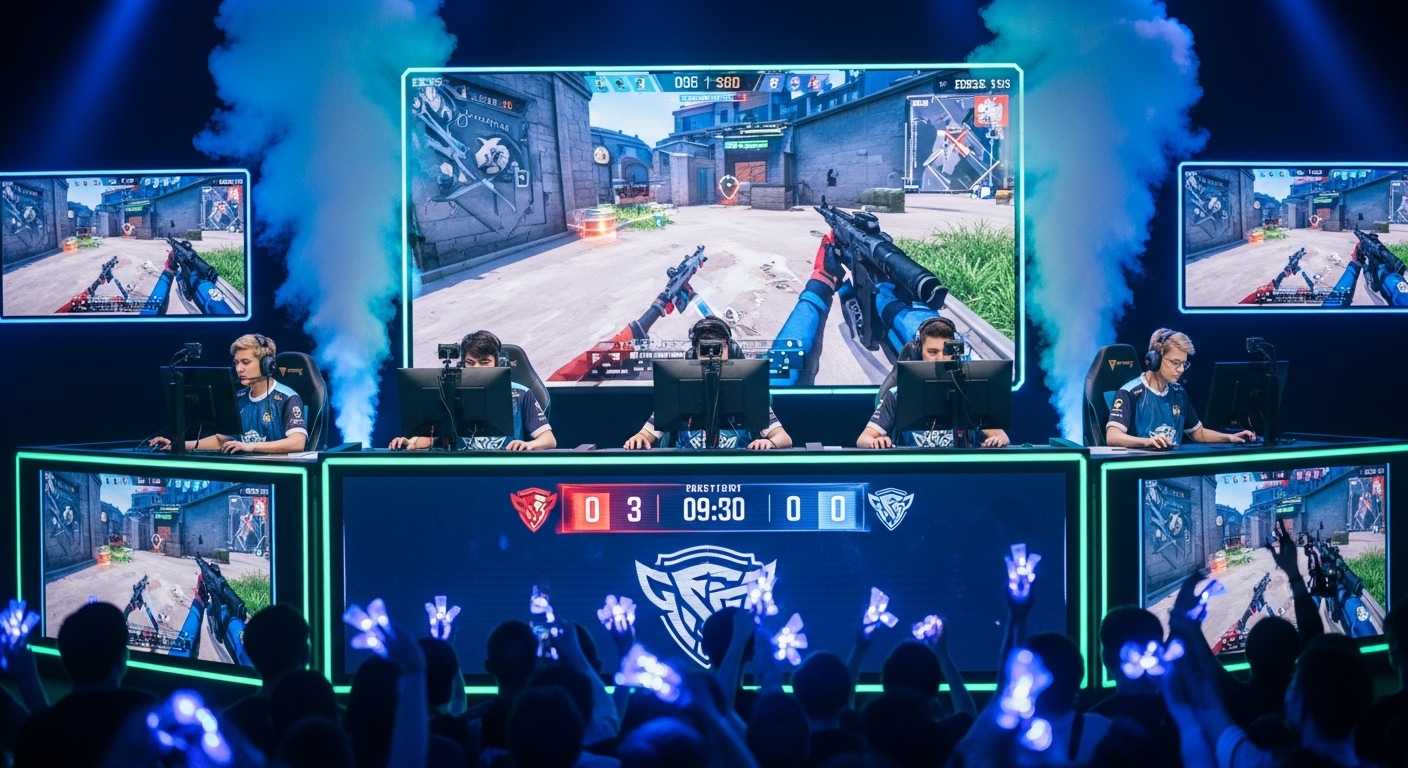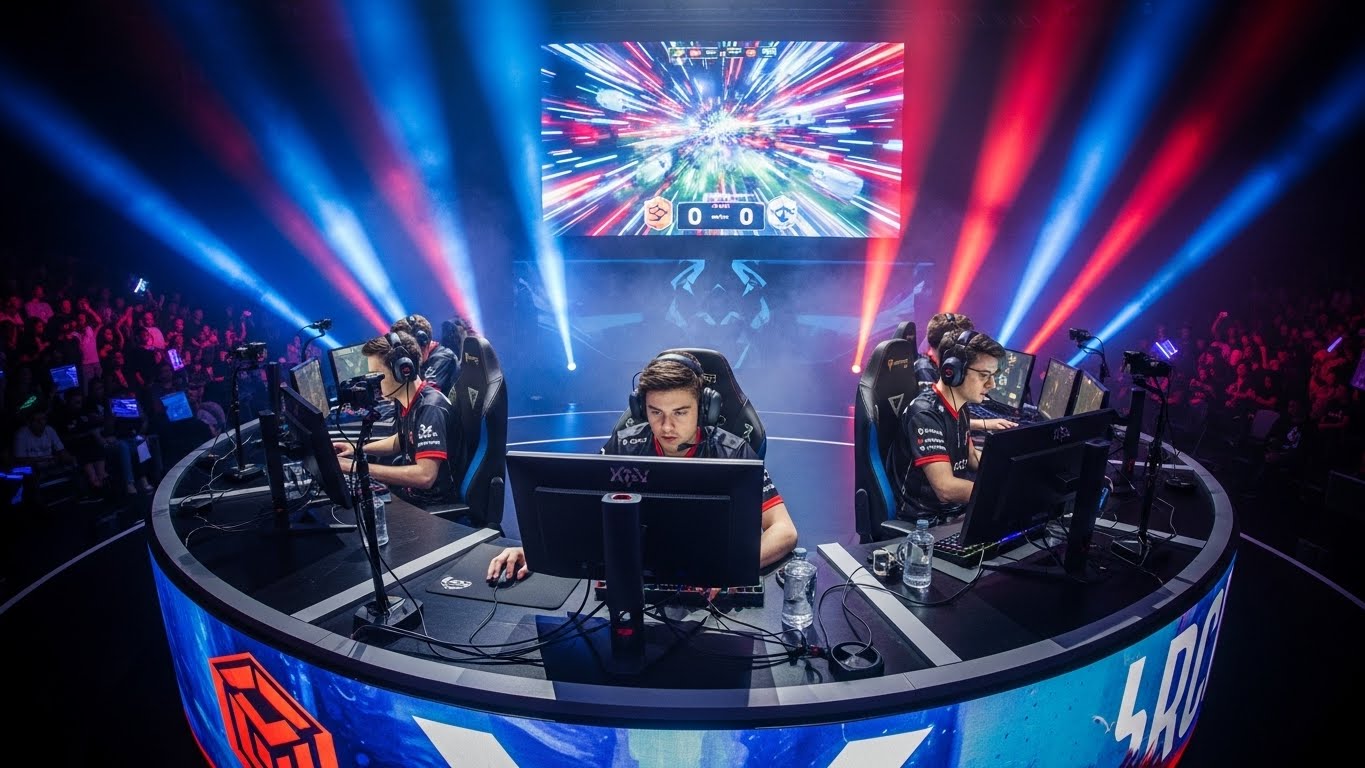
Esports has rapidly evolved from a casual hobby into a global phenomenon that rivals traditional sports in both popularity and influence. Once limited to local competitions and small communities of gamers, esports now features massive international tournaments, professional leagues, and millions of passionate fans worldwide. The rise of esports represents a shift in how society views competition, entertainment, and technology. This blog explores the origins of esports, its cultural and economic impact, the lives of professional players, and its promising future as a dominant form of modern entertainment.
The Early Days of Competitive Gaming
The origins of esports can be traced back to the 1970s and 1980s when video games first gained popularity. Early competitions were informal, often taking place in arcades or among friends at home. Players competed for high scores in games like Space Invaders and Pac-Man, and tournaments were primarily community-driven events. As gaming technology evolved, multiplayer games allowed real-time competition between players, creating the foundation for organized esports. While these early events were small in scale, they established the competitive spirit that continues to drive esports today.
The Internet Revolution and Global Connectivity
The widespread adoption of the internet in the late 1990s and early 2000s revolutionized competitive gaming. Online multiplayer games made it possible for players from different cities, countries, and continents to compete against each other. Matchmaking systems, leaderboards, and online tournaments formalized the competitive experience, allowing talent to be recognized beyond local communities. Streaming platforms and social media expanded esports’ reach even further, enabling fans to watch live matches, engage with players, and participate in communities regardless of geographic location. The internet turned esports into a truly global phenomenon.
Popular Esports Genres
Esports encompasses a wide variety of game genres, each requiring unique skills and strategies. Multiplayer online battle arena (MOBA) games, such as League of Legends and Dota 2, emphasize teamwork, map control, and strategic coordination. First-person shooters (FPS), including Counter-Strike and Call of Duty, test reflexes, precision, and tactical decision-making. Real-time strategy (RTS) games challenge players to manage resources and plan complex strategies under pressure. Fighting games require timing, execution, and a deep understanding of character matchups. Sports simulation games recreate traditional sports digitally, providing competitive platforms for fans of football, basketball, and soccer. This diversity ensures that esports appeals to a broad audience with varied interests.
Professional Players and Training
Becoming a professional esports player requires extraordinary dedication and discipline. Players often spend six to twelve hours a day practicing, reviewing gameplay, and refining strategies. Unlike casual gaming, professional esports demands precise execution, mental resilience, and strategic thinking. Many players work with coaches, analysts, and psychologists to optimize performance. Teams focus not only on individual skill but also on coordination, communication, and adaptability, as success in esports depends heavily on teamwork. The professionalization of esports demonstrates that digital competition requires the same commitment and rigor as traditional sports.
Mental and Cognitive Skills in Esports
Esports is as much a mental challenge as it is a test of reflexes. Players must process large amounts of information quickly, anticipate opponents’ actions, and make split-second decisions. Strategy games enhance problem-solving, while action-oriented games improve reaction time and multitasking abilities. Maintaining focus under pressure and managing stress are critical skills for competitive players. Professional esports also promotes cognitive development by fostering analytical thinking, pattern recognition, and strategic planning, skills that are valuable both in and out of gaming.
Physical Health and Performance
Although esports is a digital competition, physical health remains essential. Long hours of gaming can lead to eye strain, poor posture, and repetitive strain injuries if not managed properly. Professional players often incorporate physical exercise, stretching, and ergonomic setups into their routines to maintain endurance and concentration. Proper nutrition, hydration, and sleep are also crucial for sustained performance. The recognition that physical wellness impacts mental sharpness and consistency highlights the holistic nature of esports preparation.
Esports as a Career Path
Esports has created a wide range of professional opportunities beyond playing competitively. Coaches, analysts, commentators, event organizers, and content creators all contribute to the industry. Developers design competitive games, maintain balanced mechanics, and organize tournaments. Sponsorships, merchandising, and streaming platforms also generate income and support careers. Educational institutions have started offering esports programs, scholarships, and professional training, making gaming a legitimate career path. Esports demonstrates that passion, skill, and strategic thinking can translate into sustainable professional opportunities.
Fan Culture and Community Engagement
The esports community is a key factor in its growth and popularity. Fans actively support their favorite teams and players, engage in discussions, and create content such as fan art, commentary, and analysis. Live events and online streaming foster a sense of shared experience, connecting audiences worldwide. Social media allows fans to interact directly with players and teams, strengthening engagement and loyalty. Esports communities are inclusive and diverse, offering spaces where people with shared interests can connect, collaborate, and celebrate their passion.
Economic Impact of Esports
Esports has become a major contributor to the global economy. Professional tournaments generate revenue through ticket sales, merchandise, sponsorships, and media rights. Cities hosting large events experience increased tourism and business activity. The industry also supports numerous jobs in areas such as broadcasting, marketing, event management, game development, and analytics. Investment in esports continues to grow as audiences expand and brands recognize the influence of competitive gaming. The economic impact of esports reflects its legitimacy as a global entertainment and sports industry.
Inclusivity and Diversity in Esports
Esports is remarkably inclusive compared to traditional sports. Skill and strategy determine success more than physical attributes, allowing individuals from different genders, nationalities, and backgrounds to compete equally. Efforts to promote diversity and accessibility continue to expand, creating opportunities for underrepresented groups. Esports also encourages global cultural exchange, as players and fans from different regions interact and collaborate in digital spaces. The industry demonstrates that inclusivity is a defining feature of modern competitive gaming.
Challenges Facing Esports
Despite its rapid growth, esports faces several challenges. Player burnout and short career spans are common due to the intense demands of competition. Online toxicity, harassment, and cheating can undermine the community experience. Lack of standardized regulations across regions and games poses organizational difficulties. The industry must address these challenges through ethical practices, mental health support, and consistent governance to ensure long-term sustainability and fairness.
Technology and Esports Innovation
Technology is the backbone of esports, driving innovation in gameplay, broadcasting, and training. Advanced graphics, low-latency networks, and sophisticated analytics improve both performance and viewer experience. Tools for performance tracking, strategy analysis, and opponent scouting enhance competitive preparation. Streaming platforms allow global audiences to watch live matches and interact in real time. As technology advances, esports will continue to evolve, offering new opportunities for engagement, creativity, and competitive excellence.
The Future of Esports
The future of esports promises further expansion and innovation. Emerging technologies like virtual reality and cloud gaming will transform gameplay and viewer experiences. Educational programs and grassroots initiatives will cultivate the next generation of players, coaches, and industry professionals. Esports will continue to grow in mainstream recognition, drawing larger audiences and investment. As it matures, esports will not only redefine digital competition but also inspire new ways to connect, collaborate, and engage globally.
Esports as a Cultural Movement
Esports is more than a form of competition; it is a cultural phenomenon that reflects the digital nature of modern society. It challenges traditional perceptions of athleticism, showing that mental skill, strategy, and teamwork are equally important as physical prowess. Esports fosters creativity, global interaction, and community engagement. Its influence extends into fashion, music, and media, making it a central pillar of contemporary youth and digital culture.
Conclusion
Esports has transformed from casual gaming into a global competitive ecosystem that influences culture, economy, and entertainment. It demands discipline, strategy, teamwork, and mental resilience while offering professional opportunities and global recognition. Despite challenges, esports continues to grow through innovation, inclusivity, and community engagement. As technology advances and audiences expand, esports is poised to redefine the meaning of competition, proving that the digital arena can be just as thrilling, skill-based, and culturally impactful as any traditional sport.