Introduction: A Digital Sport Takes the World Stage
Esports has rapidly transformed from a casual pastime into a powerful global industry. Once limited to small gaming communities and local competitions, competitive gaming now fills massive arenas, attracts millions of online viewers, and offers life-changing opportunities to players. Esports is not simply about playing video games; it is about competition, discipline, teamwork, innovation, and cultural influence. As technology continues to advance, esports stands at the intersection of entertainment and sport, reshaping how the world defines competition.
The Early Beginnings of Competitive Gaming
The foundations of esports were laid decades ago when gamers began competing for high scores and recognition. Early competitions were informal, often taking place in arcades or small community gatherings. These events were driven by passion rather than profit. As gaming consoles and personal computers became more accessible, multiplayer games introduced structured competition. Players started forming teams, practicing strategies, and organizing tournaments, unknowingly setting the stage for what would become a global movement.
The Role of Technology in Esports Growth
Technology has been the driving force behind the rise of esports. Improvements in internet connectivity allowed players to compete across cities, countries, and continents in real time. Game developers began designing titles with competitive balance, spectator modes, and ranking systems. High-performance hardware, immersive graphics, and advanced game engines elevated the quality of play and viewing experience. These technological advancements made esports accessible, scalable, and appealing to a global audience.
Esports as a Professional Discipline
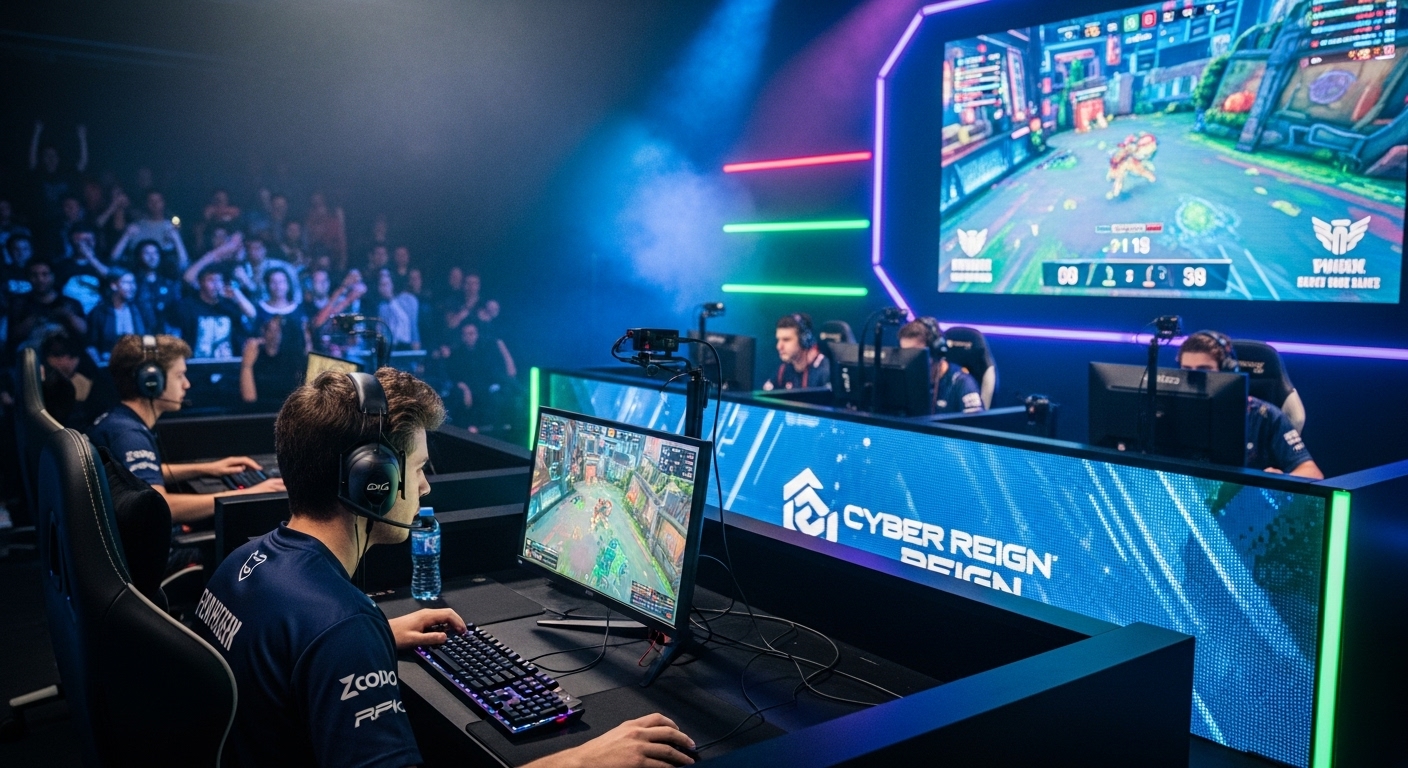
Modern esports is a highly professional environment. Players follow structured training schedules that include mechanical practice, strategy development, physical exercise, and mental conditioning. Teams operate similarly to traditional sports organizations, employing coaches, analysts, managers, and medical staff. Professional leagues enforce rules, contracts, and competitive standards. This professional structure has helped esports gain credibility and recognition as a legitimate competitive discipline.
The Skill Set Required for Esports Excellence
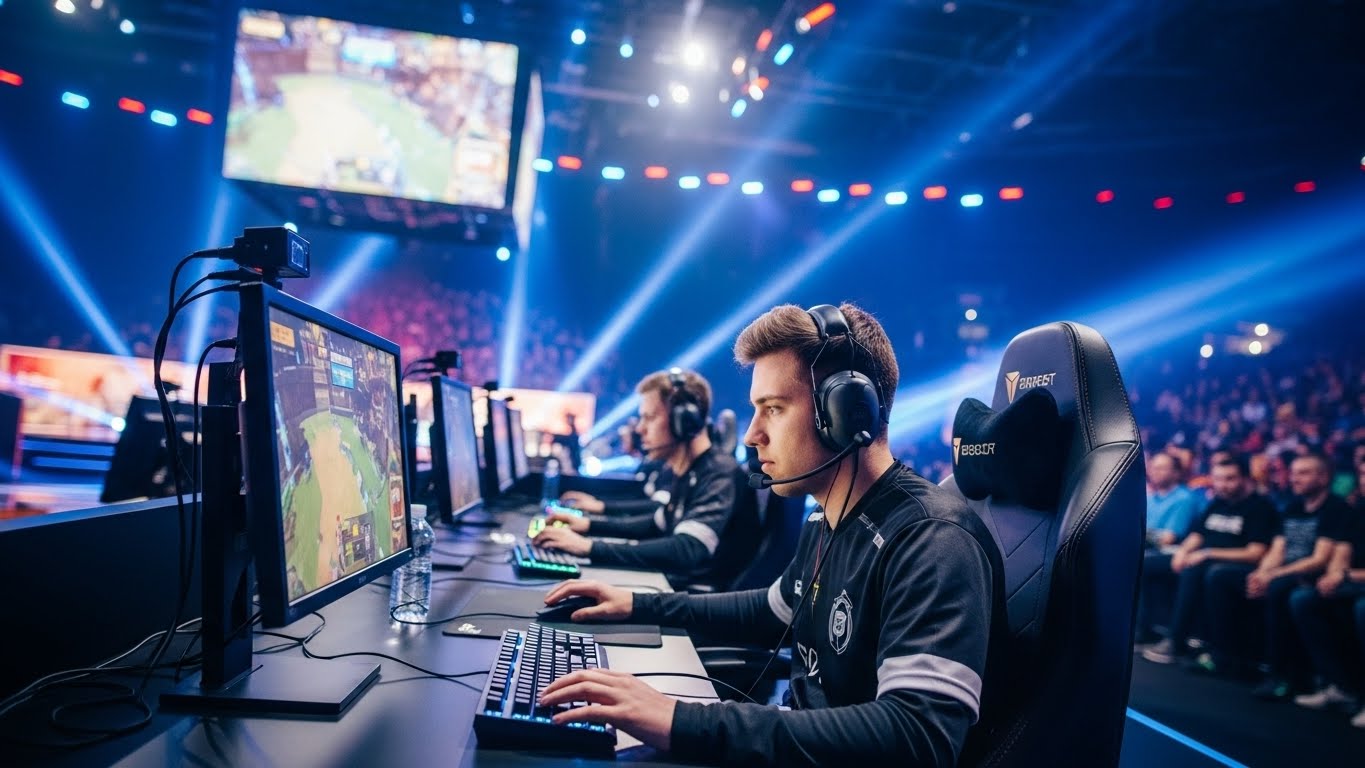
Success in esports requires a unique blend of skills. Quick reflexes and precise hand-eye coordination are essential, but they are only part of the equation. Players must understand complex strategies, adapt to evolving game scenarios, and communicate effectively with teammates. Mental resilience is crucial, as competitive matches demand intense focus and emotional control. These requirements challenge the misconception that esports lacks athletic or intellectual depth.
Different Genres Within Esports
Esports is not defined by a single type of game. It includes multiple genres, each offering a distinct competitive experience. Strategy-based games emphasize planning, coordination, and long-term decision-making. Shooter games focus on accuracy, positioning, and split-second reactions. Sports simulation games mirror real-world athletics while adding a digital layer of competition. This diversity ensures that esports appeals to a wide range of players and spectators with different interests and skills.
The Global Esports Community
One of the strongest aspects of esports is its global community. Fans and players from different cultures connect through shared passion and competition. Online platforms allow instant interaction, discussions, and collaboration. International tournaments showcase diverse talent and foster cultural exchange. This global connectivity creates a sense of belonging and unity that transcends geographic and social boundaries, making esports a truly international phenomenon.
Esports Tournaments and Competitive Spectacle
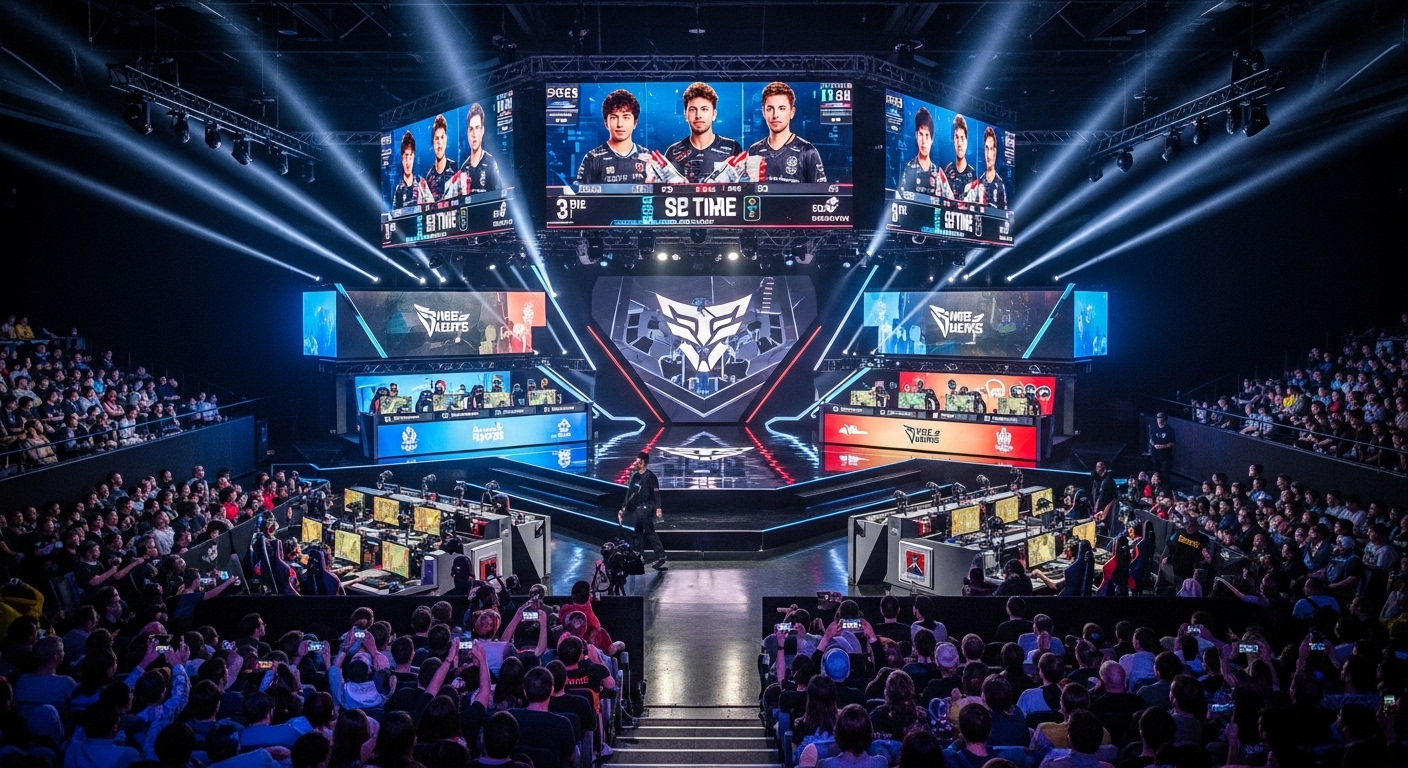
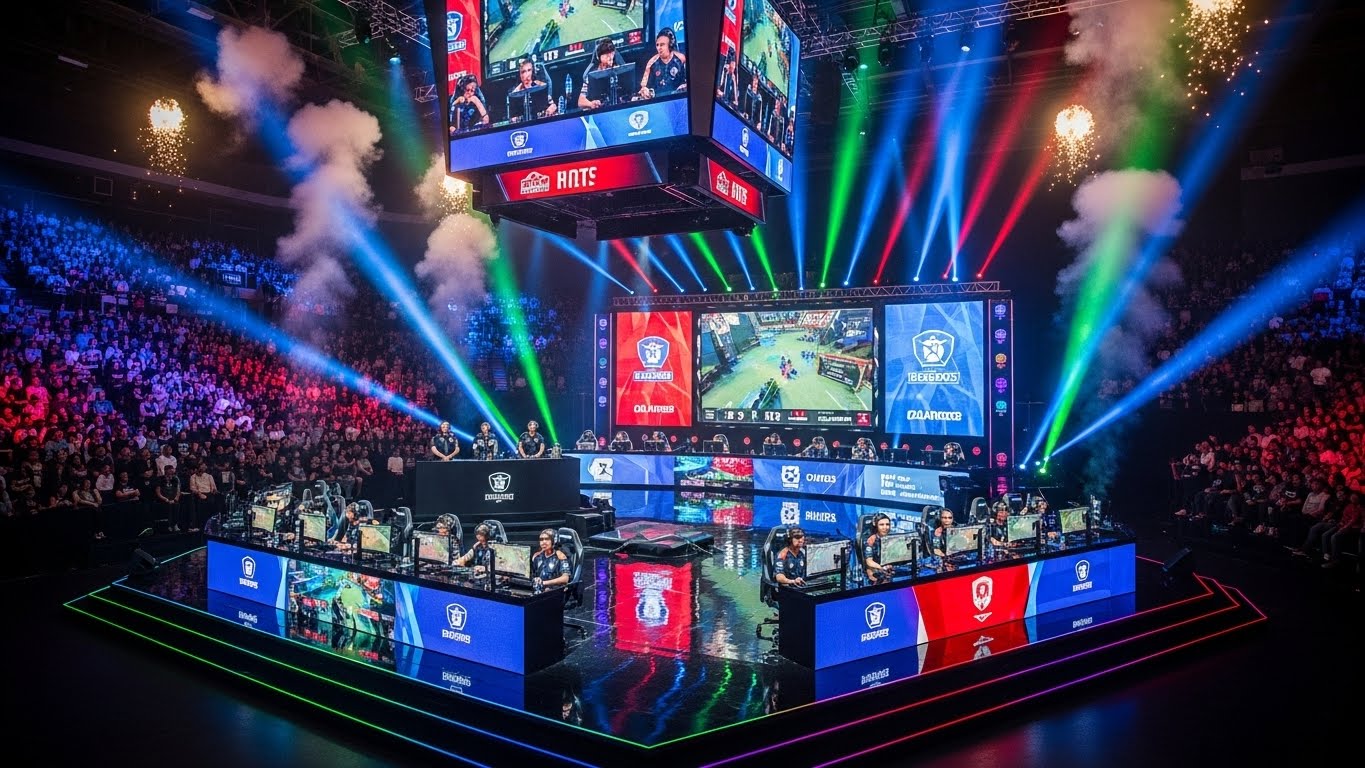
Esports tournaments are the pinnacle of competitive gaming. These events feature elite players competing on grand stages with large audiences. The production value rivals that of major traditional sports events, with professional commentary, analysis, and visual effects. The intensity, unpredictability, and emotional highs of tournaments captivate viewers, turning matches into unforgettable spectacles. These events play a vital role in popularizing esports and building fan loyalty.
Economic Influence of Esports
The esports industry has become a significant economic contributor. Revenue flows from sponsorships, advertising, merchandise, ticket sales, and media distribution. Brands invest in esports to connect with younger, digitally engaged audiences. Tournament hosting boosts local economies through tourism and hospitality. Educational institutions and training programs focused on esports-related careers further expand the economic ecosystem surrounding competitive gaming.
Esports and Youth Engagement
Esports has a profound impact on youth culture. It resonates strongly with digital-native generations who view gaming as both entertainment and expression. Many young people aspire to become professional players, streamers, or industry professionals. Beyond competition, esports encourages skill development in communication, critical thinking, and technology. It also provides a sense of purpose and community for individuals who may not connect with traditional sports.
Challenges Within the Esports Ecosystem
Despite its growth, esports faces notable challenges. Player burnout is common due to intense practice schedules and constant competition. Issues such as cheating, unfair play, and lack of standardized regulations threaten competitive integrity. Toxic behavior in online spaces can harm community inclusivity. Addressing these challenges requires collaboration between developers, organizers, teams, and fans to create a healthier and more sustainable environment.
Esports and Mainstream Acceptance
Esports has steadily moved into mainstream awareness. Traditional sports organizations, media companies, and public figures have invested in esports teams and events. Competitive gaming is now featured in major entertainment discussions and cultural conversations. While esports maintains its digital roots, this mainstream recognition has helped broaden its audience and establish its place in modern sports culture.
The Importance of Streaming and Content Creation
Streaming and content creation are essential pillars of esports growth. Players and creators share gameplay, tutorials, and personal stories, building strong connections with fans. This constant interaction keeps audiences engaged beyond tournaments. Content creation has also opened doors for individuals who may not compete professionally but contribute to the ecosystem through creativity, commentary, and entertainment.
Education and Career Pathways in Esports
Esports offers diverse career opportunities beyond professional play. Roles in coaching, analysis, event production, marketing, broadcasting, and game development are increasingly in demand. Educational institutions now recognize esports by offering specialized programs and scholarships. These pathways demonstrate that esports is not a narrow field but a broad industry combining technology, business, and creativity.
The Future of Competitive Gaming
The future of esports is filled with innovation and expansion. Emerging technologies such as virtual reality and advanced analytics may redefine how games are played and experienced. Mobile gaming continues to expand access in new regions. Greater focus on player well-being, diversity, and regulation will strengthen the industry’s foundation. As storytelling and fan engagement evolve, esports will continue to grow as both a sport and a cultural movement.
Conclusion: Esports as a Lasting Global Force
Esports has evolved from a niche hobby into a global competitive powerhouse. It blends skill, technology, community, and entertainment in a way few other industries can. Through dedication, innovation, and global connection, esports has redefined competition for the digital age. As it continues to grow and adapt, esports stands as proof that passion and play can shape the future of sports and culture on a worldwide scale.