In the past few decades, esports has evolved from a niche hobby into a global cultural phenomenon. What began as informal gatherings in arcades has transformed into a multibillion-dollar industry, influencing entertainment, fashion, education, and social dynamics. This article delves into how esports has become more than just competitive gaming—it has emerged as a cultural movement that shapes and reflects contemporary society.
The Genesis of Esports: From Arcades to Arenas
The roots of esports trace back to the late 1970s and early 1980s, with games like Space Invaders and Pong sparking the first competitive gaming events. The 1980 Space Invaders Championship, organized by Atari, is often cited as the first major esports tournament, attracting over 10,000 participants.
The 1990s saw the rise of LAN (Local Area Network) parties, where gamers gathered to play multiplayer games in the same physical space. These events laid the groundwork for the community-driven aspect of esports. The 2000s marked the formalization of esports with the establishment of professional leagues and tournaments, such as the World Cyber Games and the Electronic Sports World Cup.
A Global Phenomenon: The Rise of Esports
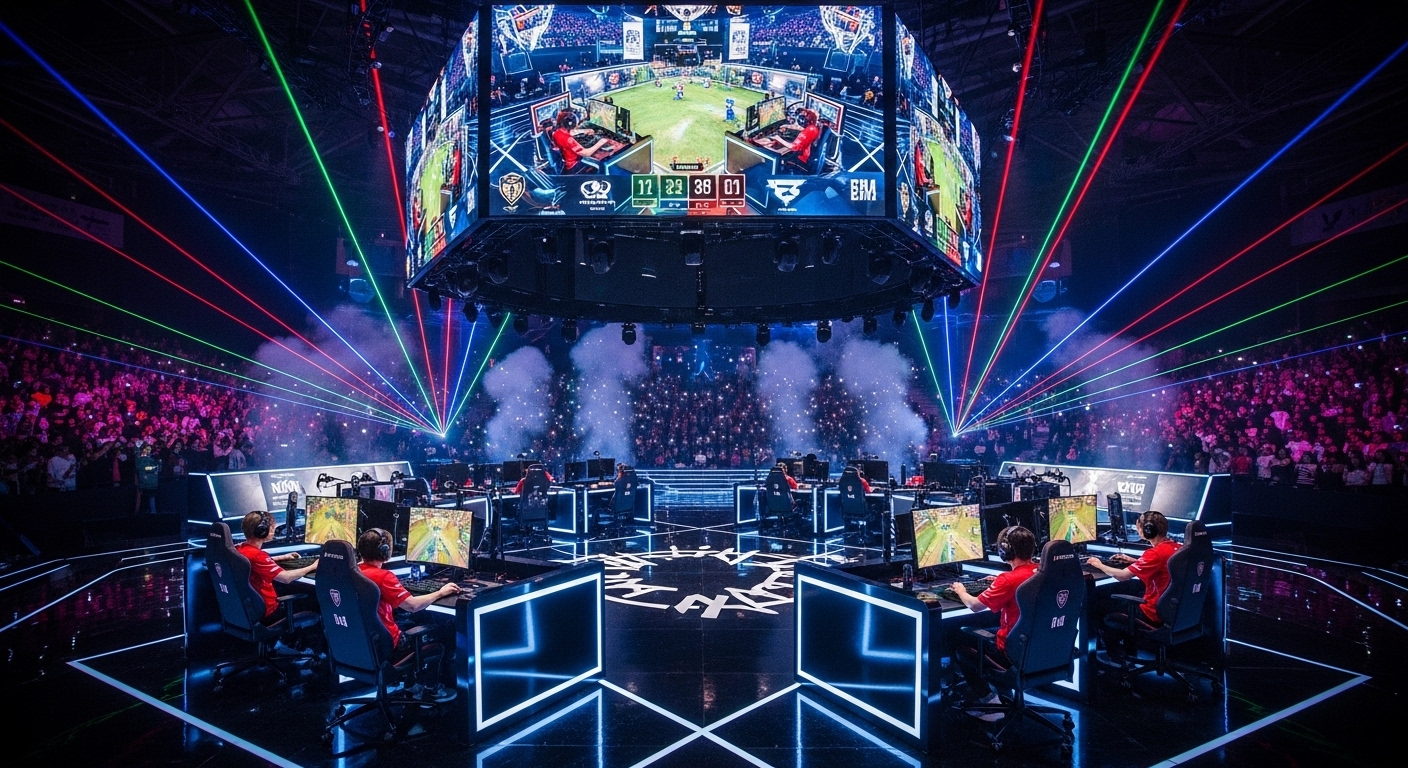
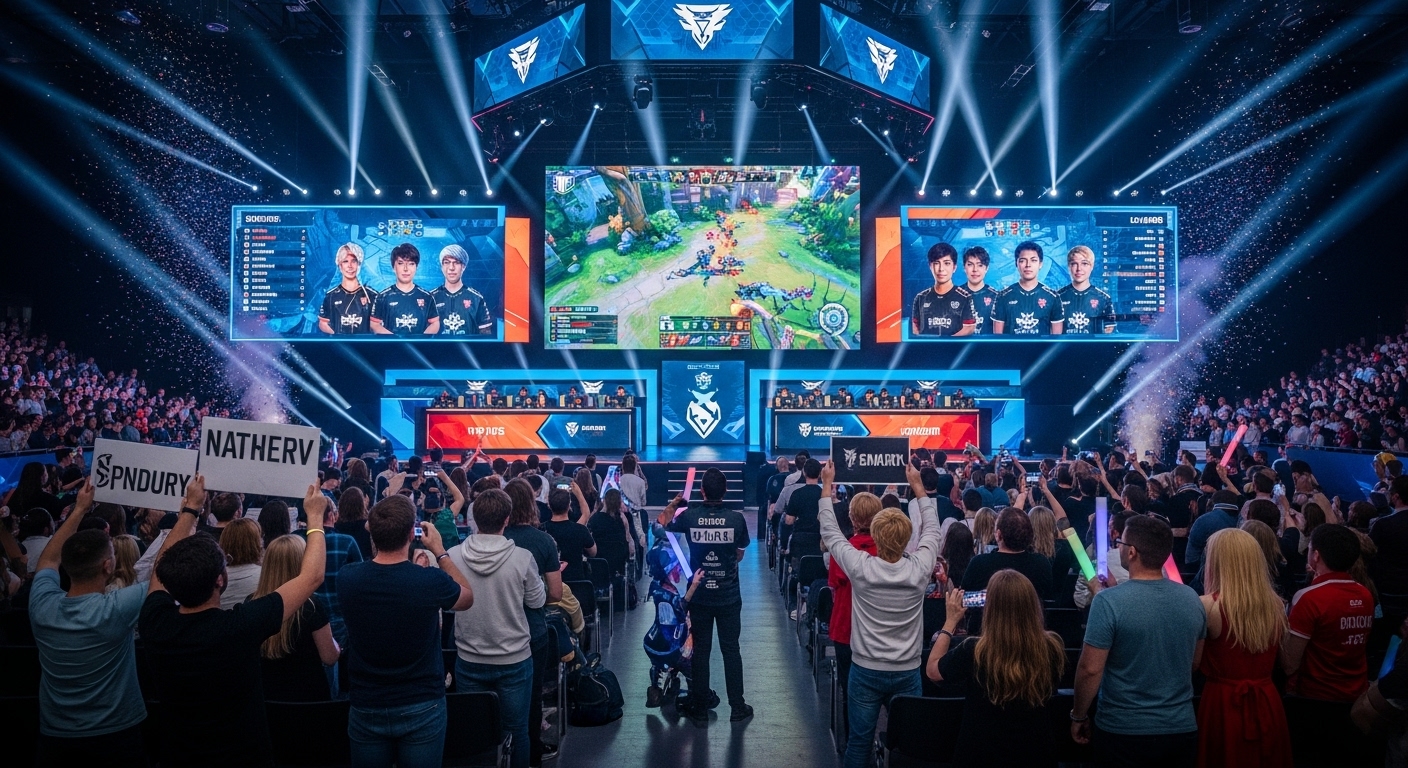
Today, esports is a global industry with millions of fans and players worldwide. The rise of streaming platforms like Twitch and YouTube has made it easier for fans to watch live competitions and engage with their favorite players. Esports tournaments now fill arenas and are broadcast on major television networks, attracting sponsorships from global brands and offering substantial prize pools.
The growth of esports has also led to its recognition as a legitimate sport. In 2022, esports was included as a medal event in the Asian Games, marking a significant milestone in its acceptance on the global stage.
Esports and Youth Culture: A Digital Generation
Esports has become deeply embedded in youth culture, particularly among Gen Z and Millennials. According to research, 32% of esports viewers are between the ages of 16 and 24, and 30% are between 25 and 34. This demographic is not just consuming content but actively participating in the creation and dissemination of esports culture.
The shared language, memes, and references within the esports community have fostered a unique subculture that transcends geographical and linguistic barriers. Esports has become a platform for self-expression, identity formation, and social interaction among young people.
Esports and Mainstream Culture: Fashion, Music, and Media
Esports’ influence extends beyond gaming into various aspects of mainstream culture.
Fashion
Esports teams have developed their own brands and merchandise, with jerseys and apparel becoming fashion statements. Collaborations between esports organizations and fashion brands have blurred the lines between gaming and high fashion, bringing esports aesthetics into the mainstream.
Music
Music plays a significant role in esports events, with original soundtracks composed for tournaments and collaborations with popular artists. The electrifying atmosphere of esports competitions is enhanced by live performances and curated playlists, attracting music fans and enhancing the overall experience.
Media and Entertainment
Esports has become a significant part of the entertainment industry. Documentaries like Free to Play and League of Legends: Origins have introduced esports to a broader audience. Fictional shows like Arcane, based on the game League of Legends, have further integrated esports culture into mainstream media.
Esports and Social Dynamics: Community and Identity
One of the most profound impacts of esports is its ability to foster community and a sense of belonging. Online platforms allow players from different backgrounds to connect, collaborate, and compete. This sense of community is particularly important for individuals who may feel marginalized or isolated in their offline lives.
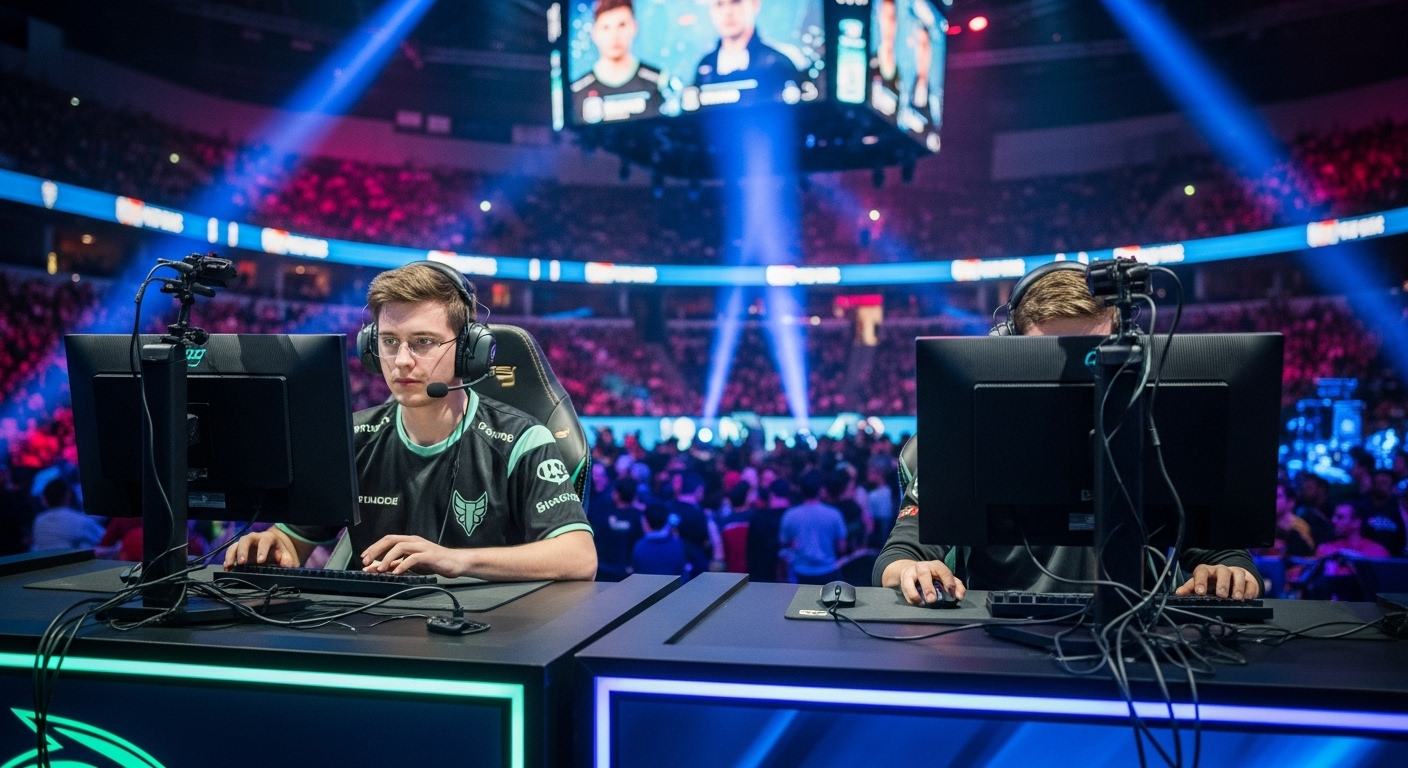
Esports has also provided new avenues for career development. Professional players, streamers, analysts, and content creators have emerged as influential figures, inspiring others to pursue careers in the gaming industry. The professionalization of esports has legitimized it as a serious competitive activity, attracting substantial investments and significant economic impact.
Challenges and Controversies
Despite its growth and popularity, esports faces several challenges. Issues such as toxicity, harassment, and inclusivity remain prevalent within the community. Efforts are being made to address these concerns through policy changes, community guidelines, and initiatives aimed at promoting diversity and inclusion.
Additionally, the physical and mental health of players has become a topic of discussion. The intense training schedules and pressure to perform can lead to burnout and other health issues. Organizations are increasingly focusing on player well-being, implementing support systems and promoting a healthier work-life balance.
The Future of Esports
The future of esports looks promising, with continued growth and integration into various aspects of society. The inaugural Olympic Esports Games, scheduled to be held in Riyadh, Saudi Arabia, in 2027, signify a major step in the recognition of esports on the global stage.
As technology advances, esports will continue to evolve, with innovations in virtual reality, augmented reality, and artificial intelligence shaping the way games are played and experienced. The expansion of esports into new regions and demographics will further solidify its place as a central element of global culture.
Conclusion
Esports has transcended its origins as a form of entertainment to become a cultural movement that influences various facets of society. Its impact on youth culture, mainstream media, fashion, and social dynamics underscores its significance in the modern world. As esports continues to grow and evolve, it will undoubtedly play a pivotal role in shaping the cultural landscape of the future.