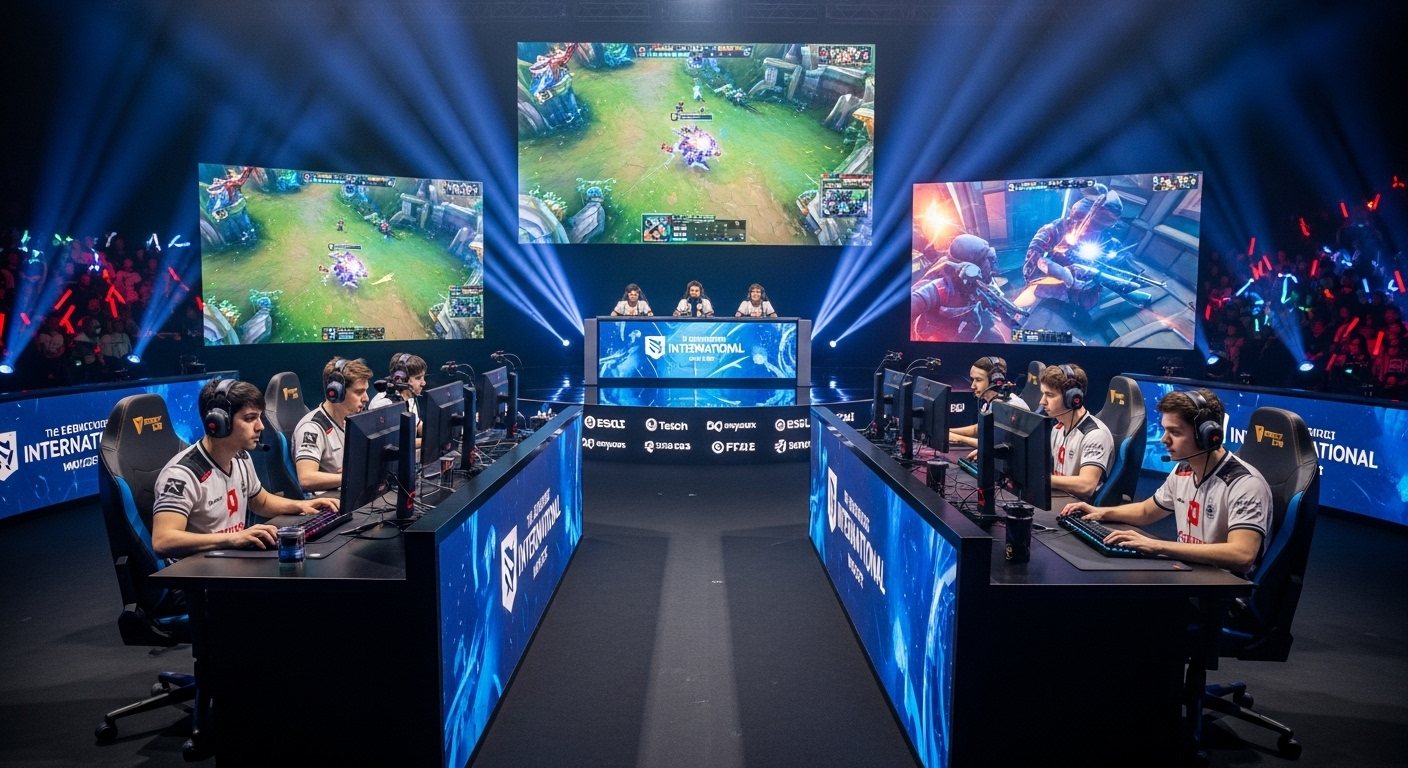
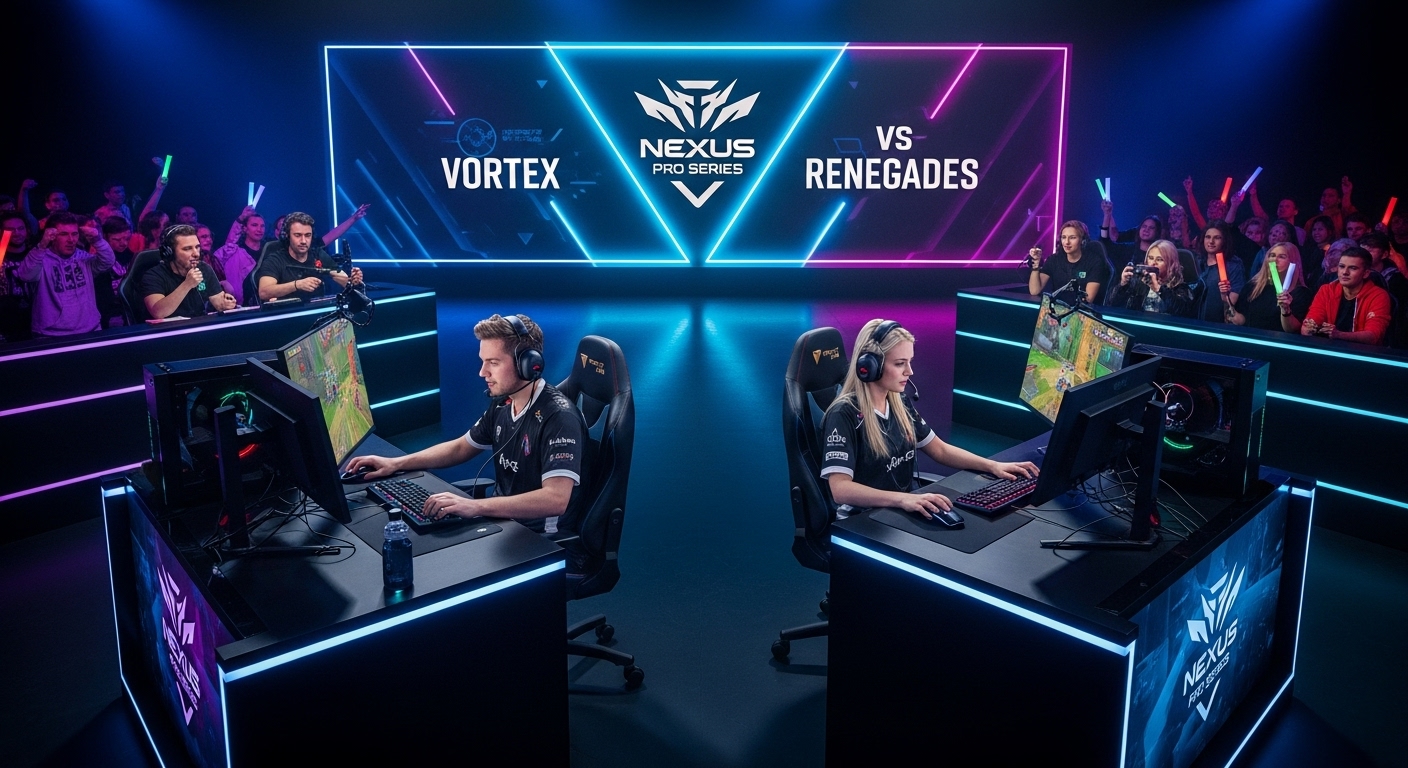
In the fast-paced world of esports, where games evolve, rosters change, and new titles emerge every year, one thing remains constant — the importance of fan loyalty. Esports organizations have realized that success isn’t measured solely by tournament wins or sponsorship deals, but also by the strength of their fanbase. A loyal community not only drives viewership and merchandise sales but also sustains the team’s long-term brand identity.
Building and maintaining fan loyalty in esports, however, is uniquely challenging. Unlike traditional sports, esports fans are not bound by geography or local affiliations. Instead, their loyalty is shaped by digital culture, player personalities, shared experiences, and online engagement. This new kind of fandom has forced esports organizations to innovate and rethink what it truly means to connect with their audience.
In this in-depth exploration, we’ll examine how esports teams build fan loyalty, the psychology behind esports fandom, the strategies organizations use to engage their supporters, and how digital communities are redefining what it means to be a fan in the modern era.
The Evolution of Esports Fandom
In traditional sports, loyalty is often inherited — fans support the teams their families or local communities follow. Esports fandom, however, emerged differently. Because esports grew primarily online, geography mattered less than the digital spaces people shared.
Early esports fans were part of niche internet communities and followed players or teams based on gameplay style, personality, or even specific games. As esports professionalized, these passionate communities became the foundation of a global audience.
Today, esports fans span continents, united not by location but by emotion, identity, and shared digital culture. Teams must therefore cultivate loyalty in a more dynamic way — one that transcends borders, languages, and traditional fan engagement methods.
Understanding the Psychology of Esports Fans
To understand how teams build loyalty, we first need to understand why fans connect with esports in the first place. Esports fandom is rooted in emotional, psychological, and social factors that mirror — and sometimes surpass — traditional sports.
1. Identification and Belonging
Fans often identify with teams or players that reflect their own aspirations. A viewer may support a team because they relate to its underdog story or admire the players’ personalities. This emotional identification creates a sense of belonging — a powerful driver of loyalty.
2. Community and Social Connection
Esports fans form communities around shared passion. Online platforms such as Discord, Reddit, and Twitter allow fans to interact directly with each other and even with players. This continuous engagement strengthens emotional ties and gives fans a sense of ownership over the team’s success.
3. Emotional Investment in Players
In esports, players often have significant personal brands. Fans may follow a player across multiple teams or even different games. When teams nurture and promote these personalities, they strengthen fan loyalty not only to the player but to the organization as a whole.
4. Shared Experience Through Competition
Watching a live match, celebrating a comeback victory, or mourning a tough loss builds emotional memories. These shared moments create a deep connection between teams and their supporters — one that keeps fans returning season after season.
Building Fan Loyalty: Core Strategies Used by Esports Teams
Successful esports teams understand that loyalty doesn’t just happen — it’s cultivated through deliberate strategy. Here are the primary ways organizations strengthen their fan relationships.
1. Developing Strong Brand Identity
Every great esports team begins with a clear brand identity. This isn’t just about logos or colors; it’s about defining what the team stands for.
Teams like Fnatic, G2 Esports, and Team Liquid have mastered this art. Fnatic positions itself as a global lifestyle brand for the bold and innovative, while G2 embraces humor, confidence, and entertainment. Team Liquid presents professionalism and excellence, appealing to fans who value consistency and competitive dominance.
A well-defined brand gives fans something to believe in beyond the game itself. It turns a competitive organization into a cultural symbol — and that’s the foundation of loyalty.
2. Storytelling and Narrative Building
Fans are drawn to stories, not just statistics. Esports teams that tell compelling narratives about their players and journey create emotional depth.
The rise of OG in Dota 2 — from underdogs to two-time International champions — remains one of the most beloved stories in esports. Their emotional victories inspired millions and turned casual viewers into lifelong fans.
Similarly, DRX’s Cinderella run at the League of Legends World Championship 2022 captivated the world because it embodied hope, resilience, and unity. Teams that weave such narratives turn competition into inspiration — and that inspires loyalty.
3. Fostering Player Personalities and Accessibility
In esports, players are not distant superstars — they are digital influencers, streamers, and public figures. Fans expect interaction and relatability.
Teams encourage players to stream, post on social media, and share behind-the-scenes content. When fans see their favorite players joke around on stream, share personal struggles, or celebrate milestones, they feel emotionally connected.
Organizations like 100 Thieves and FaZe Clan have built empires by blending esports competition with lifestyle content. Their players and creators engage with fans through vlogs, challenges, and collaborations, turning gaming into an entire culture.
4. Social Media Engagement
Social media is the beating heart of modern esports fandom. Platforms like Twitter, TikTok, Instagram, and YouTube serve as direct lines of communication between teams and their audiences.
Successful organizations use social media not only for updates but for conversation. They post memes, reply to fans, and celebrate community milestones. A funny tweet after a big win or a heartfelt thank-you message can go a long way in humanizing the brand.
Teams like G2 Esports are famous for their humorous online presence, while Cloud9 and T1 use social media to blend professionalism with relatability. Consistent interaction keeps fans engaged and reinforces loyalty every day.
5. Exclusive Content and Behind-the-Scenes Access
Fans want to feel closer to their favorite teams. Providing exclusive access — whether through documentaries, training footage, or personal interviews — helps build that connection.
Series like Breaking Point by Team Liquid and Legends Rising by Riot Games show fans the human side of esports athletes. These intimate glimpses foster empathy and admiration, transforming casual viewers into committed supporters.
6. Fan Communities and Direct Interaction
Esports thrives on community participation. Teams invest heavily in building official Discord servers, fan clubs, and community events where supporters can engage directly.
For example, Team Secret and Fnatic host regular Q&A sessions, giveaways, and fan art contests to celebrate their community’s creativity. By making fans feel heard and valued, teams transform passive spectators into active participants in their success.
7. Merging Esports and Lifestyle Culture
Modern esports organizations are no longer just competitive teams — they are lifestyle brands. They sell apparel, produce music, and collaborate with mainstream artists and influencers.
100 Thieves exemplifies this perfectly. By merging fashion, gaming, and entertainment, they’ve cultivated a fanbase that identifies with their brand even outside esports. Their clothing drops sell out in minutes, proving that loyalty extends far beyond the digital arena.
This strategy not only diversifies revenue but also strengthens emotional connections. When fans wear a team’s apparel, they’re not just supporting a roster — they’re expressing identity and belonging.
8. Community Tournaments and Grassroots Engagement
Esports teams also invest in grassroots initiatives to connect with fans at every level. Organizing amateur tournaments, sponsoring student teams, or supporting local events helps build loyalty from the ground up.
By offering opportunities for fans to compete, learn, or even represent their favorite teams in smaller events, organizations create a sense of shared purpose. It tells fans: You’re not just watching — you’re part of the journey.
9. Loyalty Programs and Membership Systems
Some esports organizations have started adopting loyalty programs similar to those in traditional sports. These programs reward dedicated fans with early access to merchandise, VIP content, or special badges on community platforms.
For example, teams may create membership tiers that grant behind-the-scenes content, private Discord channels, or signed merchandise. Such systems reward consistent engagement and make fans feel like insiders.
10. Cross-Game Branding and Multi-Title Presence
Unlike traditional sports teams that focus on one sport, esports organizations often compete across multiple titles — League of Legends, Valorant, CS2, Rocket League, and more.
This multi-title approach helps teams attract fans from different gaming communities. When fans follow an organization across games, they become emotionally invested in the brand, not just the players or titles.
Teams like Team Liquid, NRG, and Fnatic have built loyalty by maintaining consistent values and branding across multiple esports ecosystems. This cross-title recognition strengthens their global identity.
11. Emotional Moments and Legacy Building
Fans remember moments, not statistics. Legendary plays, dramatic victories, or heartbreaking losses define the emotional foundation of fandom.
When Cloud9 won the 2018 Boston Major in CS:GO, it wasn’t just a championship — it was an emotional victory for North America after years of near misses. That moment cemented Cloud9’s place in esports history and strengthened fan loyalty for years to come.
Teams that create unforgettable experiences through their performances and storytelling build lasting emotional bonds — the essence of true loyalty.
12. Corporate Responsibility and Positive Impact
Modern fans care deeply about values. Esports teams that engage in charity events, promote inclusivity, and contribute to social causes earn respect beyond competition.
Organizations like Team Vitality and Fnatic have supported mental health awareness and diversity initiatives, showing that esports can be a force for good. Fans are more likely to stay loyal to teams that reflect their principles and use their platform responsibly.
13. Adaptability and Transparency
In an industry that changes rapidly, teams must adapt. Roster changes, game shifts, or organizational rebranding can test fan loyalty. The key is transparency.
Teams that communicate openly about decisions and include fans in their journey tend to retain trust. When fans feel respected and informed, they’re more likely to stay loyal even through transitions or losses.
Challenges in Building Fan Loyalty
While many teams excel at fostering loyalty, the esports environment presents unique challenges.
1. Constant Roster Changes
Player transfers are common in esports, and fans often follow individual players rather than teams. This fluidity makes it harder for organizations to build stable fanbases.
2. Short Game Lifespans
Games rise and fall in popularity. A team that dominates one title may lose relevance if that game declines, forcing them to rebuild loyalty in a new scene.
3. Global, Not Local Audiences
Without strong geographic ties, teams must work harder to create meaningful connections in a global market where fans come from diverse cultures and languages.
4. Competition for Attention
Esports fans follow multiple teams, streamers, and content creators simultaneously. Teams must constantly innovate to stand out and maintain emotional engagement.
The Future of Esports Fan Loyalty
As esports continues to grow, fan loyalty will evolve alongside technology and culture. Future engagement strategies are likely to include:
- Interactive Fan Platforms with real-time rewards and virtual meetups.
- Augmented and Virtual Reality Events that immerse fans in live tournaments.
- Digital Collectibles and Fan Tokens offering exclusive perks and voting rights.
- AI-Personalized Content that tailors experiences to individual fan preferences.
- Regional Expansion with city-based franchise teams strengthening local identities.
These innovations will deepen emotional connections, making fans feel even closer to their favorite organizations.
Conclusion: Loyalty Beyond the Game
In esports, loyalty isn’t built through geography or tradition — it’s built through emotion, identity, and connection. The most successful teams understand that they are not just competing in games; they are competing for hearts and minds in a global digital culture.
By embracing storytelling, community interaction, lifestyle branding, and transparency, esports organizations turn spectators into supporters, and supporters into lifelong fans.
Fan loyalty in esports represents the bridge between competition and culture — a sign that gaming has evolved from pastime to passion, from entertainment to belonging.
As technology advances and the industry matures, one truth will remain: in esports, loyalty isn’t inherited — it’s earned, one connection at a time.