Introduction
In the world of modern entertainment, esports has risen from niche gaming competitions to a global phenomenon. Millions of viewers now tune in daily to watch professional gamers compete at the highest levels of skill, strategy, and teamwork. But beyond the flashing lights, roaring crowds, and prize pools worth millions lies a deeper cultural shift — esports has created a new generation of digital role models.
These players, streamers, and content creators are shaping how young audiences view success, discipline, and identity in the digital age. They’ve become more than competitors; they are influencers, educators, and community leaders. Just as traditional sports heroes once inspired fans with their dedication and charisma, esports stars are now leading a new kind of inspiration — one built on connectivity, technology, and the global gaming community.
This article explores how esports creates digital role models, what qualities make these figures influential, and how their impact is redefining the very idea of what it means to be a role model in the 21st century.
The Rise of Esports and Its Cultural Impact
The growth of esports over the past decade has been nothing short of explosive. Once considered a hobby for enthusiasts, competitive gaming is now recognized as a professional sport with international tournaments, sponsorships, and celebrity-level fame for top players.
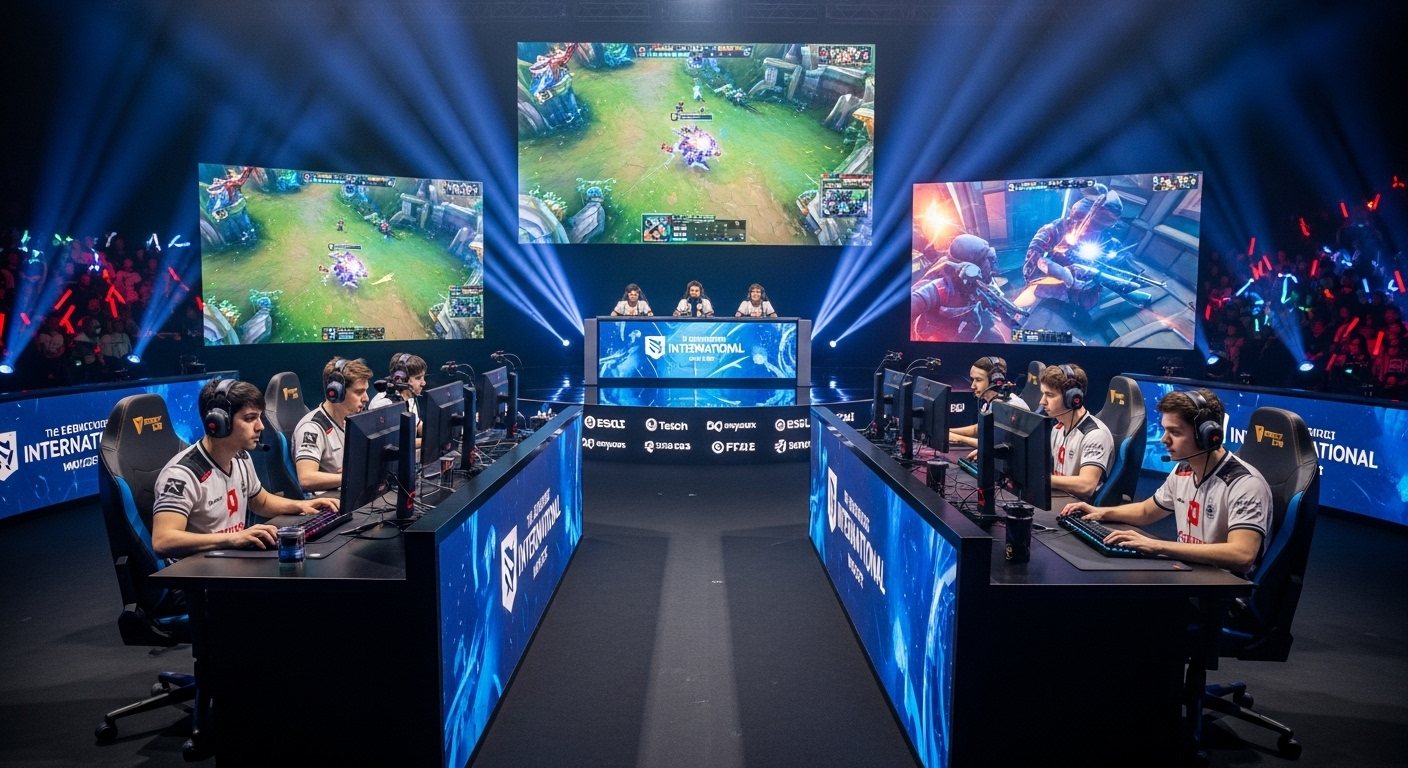
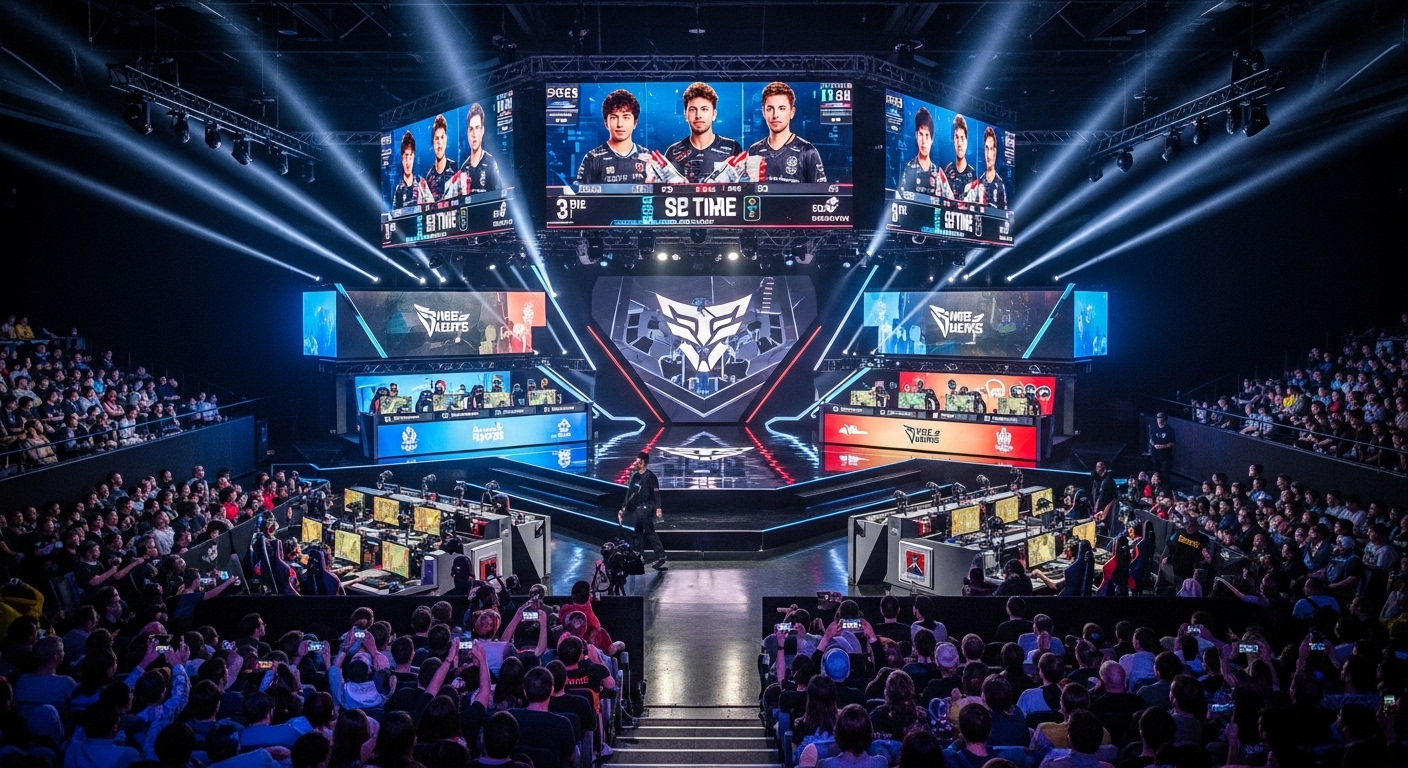
Events like The International for Dota 2, League of Legends World Championship, and Fortnite World Cup attract millions of live viewers. Esports organizations have become household names, and star players enjoy fan bases that rival those of traditional athletes.
But perhaps the most significant cultural change lies in visibility. Gaming is now streamed globally on platforms like Twitch, YouTube, and dedicated esports networks. This constant accessibility allows fans to follow their favorite players not just during tournaments, but throughout their daily lives.
That proximity — the ability to see a player’s personality, routines, and struggles — has turned esports professionals into digital icons, relatable yet aspirational figures whose influence extends far beyond gaming.
The New Definition of a Role Model
Traditional role models were often defined by physical achievement, public recognition, or moral virtue. In the digital era, those attributes have evolved. Esports role models represent a new kind of inspiration — one built on authenticity, creativity, and global connectivity.
1. Accessibility and Relatability
Unlike movie stars or traditional athletes, esports players often start as everyday gamers. Many fans watch their journey unfold in real time, from anonymous online competitors to professional players on global stages. This visibility makes them relatable; their success feels attainable.
Viewers see that these individuals built their careers through dedication, practice, and passion — not privilege. In an age where digital communities value authenticity over perfection, this relatability forms a powerful connection.
2. Skill and Dedication
Esports professionals train with the same intensity as athletes in physical sports. They spend hours mastering mechanics, studying opponents, and refining strategies. Their discipline demonstrates that gaming is not just recreation — it’s a field of professional excellence.
This level of commitment inspires fans to approach gaming, and even their own careers, with the same seriousness. It reshapes the perception of gaming as something worthy of respect and dedication.
3. Emotional Intelligence and Teamwork
The most admired esports figures are not only mechanically gifted but also emotionally intelligent. They display leadership, communication, and composure under pressure.
When a team captain keeps morale high after a crushing defeat or praises teammates for effort, fans see examples of sportsmanship that transcend the game. This emotional balance is crucial in forming healthy communities online, where toxicity can often dominate.
From Players to Personalities
Esports stars are not confined to their in-game personas. Through streaming, interviews, and social media, they build full-fledged digital identities. This transformation from player to personality is a key factor in how esports creates role models.
1. Streaming as a Window into Character
Streaming platforms have given fans direct access to their favorite players. Viewers witness how these individuals think, react, and engage with their audience. A player who handles a frustrating loss gracefully or takes time to answer fan questions demonstrates maturity and empathy — traits that audiences value deeply.
This real-time transparency builds trust. Fans feel they know the person behind the screen, which strengthens the emotional connection and amplifies their influence.
2. Storytelling and Authenticity
Many esports figures share personal stories — about their struggles, mental health challenges, or journeys through competitive pressure. These narratives humanize them and provide valuable lessons about perseverance and balance.
For instance, players who openly discuss burnout, motivation, or failure encourage fans to see vulnerability as strength. In doing so, they redefine what it means to be strong in the public eye.
3. Community Building
Esports personalities don’t just entertain; they cultivate communities. Through chat rooms, Discord servers, and fan events, they foster spaces where people can connect, share advice, and grow together.
These digital communities often become support networks, where fans find encouragement not only in gaming but in personal development. In that sense, esports role models function as digital mentors, guiding a generation through shared passion and positivity.
Inspiring a Generation of Digital Dreamers
Esports has become a proving ground for young people who aspire to turn passion into profession. Seeing others succeed in the digital arena helps fans imagine their own possibilities.
1. Proof That Passion Can Be a Career
For decades, gaming was dismissed as a distraction. Today, esports proves it can be a viable, respected career. Professional players, coaches, analysts, commentators, and content creators all earn livelihoods through gaming.
When young viewers see players building stable, fulfilling lives through dedication to their craft, it shifts their understanding of success. They learn that talent, when paired with persistence, can translate into opportunity — even in nontraditional fields.
2. The Rise of Multidimensional Role Models
Esports personalities often expand their influence beyond competition. Many become entrepreneurs, educators, and advocates for issues like diversity, mental health, and inclusivity.
For example, female and non-binary players who rise through competitive scenes inspire others to challenge stereotypes. Players who speak about mental well-being help reduce stigma around burnout and stress.
This multidimensional approach means that esports role models don’t just inspire fans to play better — they inspire them to live better.
Social Responsibility in the Esports Community
As esports players gain fame, their responsibility grows too. With millions of followers, their actions and words have real impact. Many recognize this and use their platforms to drive positive change.
1. Promoting Mental Health Awareness
Competitive gaming can be mentally taxing, involving high pressure, long practice hours, and public scrutiny. Players who openly discuss mental health challenges become advocates for emotional well-being in both gaming and real life.
When top players share how they manage stress or take breaks to recover, they set healthy examples for fans. This transparency normalizes conversations about mental health — a major step in an industry that once glorified nonstop play.
2. Encouraging Diversity and Inclusion
The esports world, like any competitive field, has struggled with inclusivity. However, many digital role models have become champions of diversity, promoting opportunities for underrepresented groups in gaming.
Players who stand against toxicity or support female teammates help reshape the culture from within. Organizations that promote inclusivity often highlight these individuals as leaders who redefine what professionalism in gaming looks like.
3. Leading by Example in Online Behavior
Esports role models are often judged not only by their in-game performance but by how they behave online. Players who communicate respectfully, support their teammates, and treat opponents with dignity demonstrate what positive digital citizenship means.
This example-setting extends to fans. Communities built around respectful, kind behavior naturally discourage harassment and promote mutual respect — reinforcing a cycle of positivity.
The Power of Representation
Representation plays a crucial role in shaping who young audiences see as role models. Esports, being global and digitally accessible, offers a diverse range of heroes that traditional media often lacks.
1. Global and Cultural Diversity
Esports transcends borders. Players from Korea, China, Europe, North America, and beyond compete on the same stages, uniting fans across languages and cultures. This diversity allows fans from any background to find someone who represents them.
Cultural pride and identity play powerful roles in fandom. When a player from a small country achieves international recognition, it inspires a generation back home to pursue their dreams, proving that talent can emerge from anywhere.
2. Breaking Gender Barriers
While esports has historically been male-dominated, more women are emerging as competitive players, coaches, and commentators. Their presence inspires young female gamers to pursue esports without fear of discrimination.
When women succeed in esports, it challenges stereotypes and opens the door for broader participation. These figures become vital digital role models, proving that gaming talent knows no gender.
3. Accessibility and Disability Representation
VR, adaptive controllers, and accessible gaming technology have also allowed players with disabilities to compete at high levels. Watching these players excel shows fans that limitations can be overcome through innovation and perseverance.
This inclusivity reinforces the idea that esports is not just about competition but about human potential — a stage where everyone has the chance to shine.
The Dual Nature of Digital Fame
While esports creates role models, it also brings challenges. The digital world amplifies both the positive and negative aspects of fame. Understanding this balance is key to appreciating the pressures faced by these figures.
1. The Pressure to Perform
Esports players are constantly under the public eye. Fans expect flawless performance, but few realize the toll this takes mentally and emotionally. Many role models speak openly about burnout and the need for rest — helping humanize the concept of digital stardom.
2. Handling Online Criticism
With large audiences come critics and trolls. How esports figures handle negativity often defines their legacy. Those who respond with grace and professionalism demonstrate emotional strength, setting an example for fans navigating their own online interactions.
3. Maintaining Authenticity Amid Growth
As fame grows, maintaining authenticity becomes harder. Yet, the most respected esports figures stay grounded, engaging genuinely with their audiences. This authenticity — being real even under the spotlight — is what makes them enduring role models.
Education and Mentorship Through Esports
Beyond competition, esports is fostering a new kind of mentorship ecosystem. Players, coaches, and organizations now collaborate to educate the next generation of gamers, not just in skill but in personal development.
1. Esports Academies and Training Programs
Many teams now run esports academies where professionals mentor aspiring players. These programs emphasize discipline, teamwork, and time management — qualities that extend beyond gaming.
Young participants not only learn technical skills but also values like respect, communication, and perseverance. The presence of professional mentors reinforces the idea that gaming can nurture leadership and responsibility.
2. Role Models as Educators
Streamers and pros often hold educational sessions, explaining strategies or offering life advice. By teaching others, they reinforce their roles as positive digital figures. Fans learn that success is built on learning, sharing, and collaboration — not selfishness or arrogance.
3. Inspiring Broader Life Lessons
The best digital role models in esports teach lessons that apply outside the virtual world. They demonstrate that consistency beats talent, that teamwork trumps ego, and that failure is just a step toward improvement.
In this way, esports doesn’t just create great gamers; it helps shape better people.
The Future of Role Models in Esports
As esports continues to expand, the role of its public figures will grow even more complex. The next generation of players and streamers will be judged not just by how they play but by how they lead, communicate, and inspire.
We are already seeing organizations encourage their athletes to engage in community outreach, mental health advocacy, and educational initiatives. This trend suggests that the future of esports will blend performance excellence with social responsibility.
Moreover, as virtual and augmented reality esports gain popularity, the relationship between fans and role models will become even more immersive. Players will interact with fans in shared virtual spaces, building even deeper connections that transcend screens.
Conclusion
Esports has created a new kind of hero — one who competes not on a field or court but in digital arenas filled with strategy, skill, and heart. These digital role models inspire millions not only to play but to dream, learn, and grow.
They show that success is built through passion and perseverance, that integrity matters even in virtual spaces, and that leadership can exist anywhere — even behind a headset. Through their actions, they redefine what it means to be influential in the modern world.
In an age where the digital and physical increasingly merge, esports role models stand as bridges between both worlds. They are the mentors, innovators, and dreamers guiding a connected generation toward creativity, respect, and excellence.
The story of esports is no longer just about winning games. It’s about shaping character, building communities, and inspiring people across every screen. Through their influence, esports players have proven that digital heroes can inspire real-world change — and that in the world of gaming, the next role model might be just one match away.