Esports has transformed from a niche hobby into a worldwide entertainment and competitive industry. Once considered casual gaming among friends, esports now attracts millions of viewers, professional players, and global sponsorships. It represents the convergence of technology, strategy, skill, and entertainment, creating a cultural movement that transcends traditional sports.
Esports is not just about playing video games; it is a fully-fledged ecosystem comprising professional teams, tournaments, streaming platforms, content creators, and a passionate fanbase. This ecosystem has reshaped how people compete, watch, and engage with digital content, proving that competitive gaming can rival traditional sports in scale and impact.
Early Beginnings of Competitive Gaming
The origins of esports date back to the 1970s and 1980s when arcade games such as Space Invaders, Pac-Man, and Donkey Kong first sparked competitive play. Local competitions were common, and players competed for high scores, bragging rights, and small prizes. These early events laid the foundation for organized competitive gaming.
With the advent of personal computers and home consoles in the 1980s and 1990s, gaming became accessible to a wider audience. Titles such as Street Fighter, Mortal Kombat, StarCraft, and Counter-Strike encouraged skill-based play, strategy, and teamwork. Local tournaments and early online communities began to emerge, allowing players to share strategies and engage in competitive gaming on a broader scale.
The widespread adoption of the internet in the late 1990s revolutionized competitive gaming. Online multiplayer games connected players worldwide in real-time, and early tournaments began to form organized leagues with ranking systems. These developments marked the beginning of professional esports as a recognized competitive field.
South Korea: Pioneering Professional Esports
South Korea played a crucial role in shaping the professional esports landscape. During the late 1990s and early 2000s, StarCraft: Brood War became a national obsession, with televised competitions drawing massive audiences. Professional players were treated like athletes, receiving sponsorships, training facilities, and fan followings.
Korean esports organizations created a model of professionalism that emphasized structured training schedules, coaching, and team coordination. Players dedicated hours each day to improving mechanics, strategy, and communication. This approach demonstrated that esports could be a serious career path, and South Korea’s model influenced global esports development.
Television coverage of esports tournaments added an entertainment dimension. Storylines, rivalries, and player personalities were highlighted, turning matches into compelling narratives. This integration of competition and entertainment became a hallmark of modern esports.
Popular Esports Titles and Their Influence
Certain games have defined the esports industry, each contributing unique mechanics, strategies, and fan communities.
League of Legends, developed by Riot Games, has become one of the most influential esports titles worldwide. Its structured leagues, seasonal competitions, and world championships create a professional ecosystem that mirrors traditional sports. The game requires strategy, teamwork, and individual skill, making it highly engaging for both players and viewers.
Dota 2, produced by Valve, is renowned for its complexity and massive prize pools. Its premier tournament, The International, offers multi-million-dollar prizes, attracting elite players and global media attention. The game’s strategic depth and dynamic gameplay have made it a cornerstone of esports.
Counter-Strike: Global Offensive represents competitive first-person shooters. Precision, tactical strategy, and teamwork are central, making it a long-standing favorite in esports competitions. Tournaments range from regional events to global championships, showcasing skill and coordination.
Other games such as Overwatch, Fortnite, Call of Duty, and Valorant have broadened esports’ appeal, introducing innovative formats and reaching diverse audiences. Each title contributes to the richness of esports culture, offering unique experiences for players and spectators alike.
The Spectacle of Esports Tournaments
Tournaments are the heart of esports. They provide structure, showcase talent, and create entertainment for global audiences. Competitions range from local events to international championships with high production value and substantial prize pools.
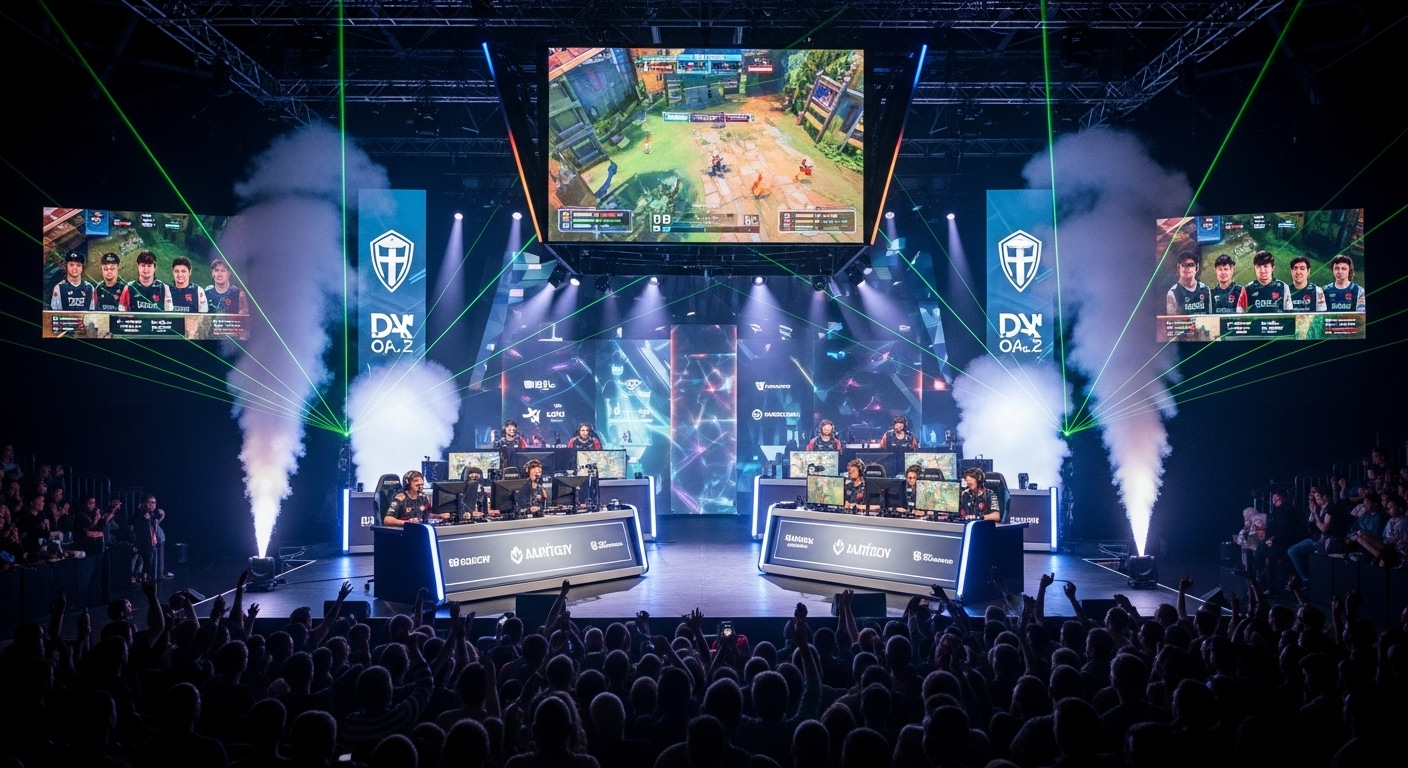
Modern esports tournaments rival traditional sports events in scale. Venues are packed with cheering fans, stages feature elaborate lighting and visuals, and commentary adds drama and context. Streaming platforms allow millions worldwide to watch live events, creating a sense of global community and shared excitement.
Flagship tournaments such as The International, the League of Legends World Championship, and the Overwatch League Finals highlight esports’ spectacle. Fans follow narratives, discuss strategies, and celebrate player achievements. These events demonstrate that esports is not just a game—it is a form of entertainment with global appeal.
Streaming and the Role of Content Creation
Streaming has transformed esports into mainstream entertainment. Platforms like Twitch, YouTube Gaming, and Facebook Gaming allow players to broadcast live gameplay, interact with fans, and build personal brands. This interactivity creates a unique viewer experience, allowing fans to engage directly with players in real-time.
Content creation extends beyond live streams. Highlight reels, strategy guides, analysis videos, and commentary provide insight into gameplay and competitive tactics. Streamers have become influential figures in esports, shaping culture, inspiring players, and driving engagement across platforms.
Social media amplifies esports content, creating viral moments and fostering community. Fans share clips, memes, and discussions, enhancing the overall experience. Streaming and content creation have established esports as a legitimate career path, providing revenue streams beyond tournament winnings.
Life as a Professional Esports Player
Professional esports players face demands similar to traditional athletes. Training often exceeds eight to ten hours per day, focusing on technical skills, strategy, teamwork, and mental resilience.
Organizations support players with coaching, psychological guidance, physical training, and nutrition plans to ensure peak performance. Players also cultivate personal brands through social media, streaming, and sponsorship deals. The professionalization of esports has transformed perceptions of gaming, recognizing players as disciplined, skilled, and strategic competitors.
The commitment required for success highlights esports as a career requiring dedication, focus, and continual skill development. Top players serve as role models, inspiring new generations to pursue competitive gaming professionally.
Economics of Esports
Esports has become a multi-billion-dollar industry. Revenue is generated through tournament prize money, sponsorships, advertising, merchandise, and streaming subscriptions. Teams, event organizers, and players benefit from this complex economic ecosystem.
Corporate sponsorships are vital, supporting tournaments, teams, and players. Brands across technology, apparel, energy drinks, and consumer goods invest heavily in esports to reach younger, digitally engaged audiences. Major tournaments often feature prize pools in the millions, demonstrating the financial viability of esports as a global industry.
The economic growth of esports supports a wide range of professional opportunities, including coaching, event management, content creation, and media production. The industry’s expansion reflects its cultural relevance and mainstream acceptance.
Technology and Innovation in Esports
Technology is central to esports. High-speed internet, advanced gaming hardware, analytics tools, and streaming software enable global competition and engagement. Innovations continue to enhance both gameplay and viewer experience.
Virtual reality and augmented reality are beginning to offer new immersive experiences. Artificial intelligence assists in analyzing performance, optimizing strategy, and enhancing content creation. Production technology ensures high-quality broadcasts with live statistics, replays, and commentary, elevating esports events to professional entertainment standards.
Integration of technology ensures that esports remains dynamic, scalable, and accessible. It allows continuous innovation, enhancing competitive play, fan interaction, and global reach.
Community and Culture
Community is the foundation of esports. Fans, players, and content creators form interconnected networks that celebrate competition and foster engagement. Online forums, social media, and fan events create spaces for discussion, collaboration, and shared experiences.
Esports culture emphasizes creativity, skill, and collaboration. Fan art, memes, cosplay, and analysis videos enrich the community experience. Fans celebrate victories, analyze strategies, and connect over shared enthusiasm, creating bonds across borders.
Inclusivity is a growing focus in esports. Initiatives to encourage participation from women, underrepresented groups, and emerging regions strengthen the competitive ecosystem and broaden cultural impact.
Esports and Education
Education has become an important aspect of esports. Schools and universities worldwide offer esports programs, scholarships, and competitive teams. These programs teach leadership, teamwork, strategy, and digital literacy.
Students gain practical experience in event management, marketing, content creation, and team management through esports programs. These opportunities prepare players for careers within the industry and in related fields such as technology, media, and business. The integration of esports into education demonstrates its legitimacy and long-term cultural influence.
The Future of Esports
The future of esports is full of potential. Emerging technologies like virtual reality, augmented reality, and artificial intelligence will create more immersive and interactive experiences for players and spectators. Holographic broadcasts and interactive competitions may redefine how audiences engage with events.
Esports will increasingly intersect with traditional entertainment, including music, film, and sports. Partnerships with media companies and celebrity collaborations will expand its influence. The professionalization of esports will continue, providing structured career paths, coaching opportunities, and sustainable growth.
Inclusivity and diversity will shape the next era of esports. Encouraging participation from women, underrepresented communities, and emerging regions will strengthen the competitive ecosystem and cultural significance.
Despite these advancements, esports will remain rooted in its core elements: competition, skill, entertainment, and community. It will continue to evolve while preserving its unique identity.
Conclusion
Esports has grown from informal gaming competitions to a global phenomenon. It combines skill, strategy, storytelling, and technology into a captivating cultural experience. From local tournaments to massive international championships, esports has professionalized into an industry with millions of fans, talented players, and a vibrant community.
Its influence extends beyond gaming, shaping culture, driving economic growth, and creating educational and career opportunities. Esports demonstrates how digital platforms can redefine sports, entertainment, and competition.
As esports continues to evolve, it will remain a unique global entertainment medium, connecting players and fans, inspiring creativity, and celebrating competition. It is more than a game—it is a lifestyle, a career, and a cultural force shaping the future of digital entertainment.