Introduction: The Birth of a Digital Revolution
A few decades ago, playing video games was seen as a simple hobby — a way to escape reality, unwind after school, or connect with friends. Fast-forward to today, and that same pastime has transformed into a multi-billion-dollar global industry known as Esports. From crowded arenas to massive online audiences, the rise of competitive gaming has redefined the very concept of entertainment and competition in the 21st century.
Esports, short for electronic sports, involves organized, multiplayer video game competitions, particularly between professional players, individually or as teams. What was once confined to arcades and small LAN parties has now evolved into a full-fledged sporting phenomenon, with athletes, sponsors, coaches, and millions of fans worldwide. This blog dives deep into the rise of Esports, exploring its history, culture, economic power, challenges, and what the future may hold for this unstoppable digital empire.
The Humble Beginnings of Esports
The story of Esports began long before streaming platforms and global tournaments. In the early 1970s, competitive gaming emerged quietly in university labs and arcades. The first known video game competition took place at Stanford University in 1972, featuring the game Spacewar. The prize? A year’s subscription to Rolling Stone magazine. Although humble, this event laid the groundwork for something far bigger.
By the 1980s, arcade titles like Pac-Man and Donkey Kong brought competition to public spaces. Local players battled for the highest scores, and magazines began publishing leaderboards. When home consoles and PCs became more affordable in the 1990s, gaming competitions evolved. Titles like Street Fighter II, Quake, and StarCraft turned casual players into early Esports pioneers.
The turn of the millennium marked a critical shift. With the spread of the internet, multiplayer gaming entered a new era. Games like Counter-Strike, Warcraft III, and Halo became global sensations. Online ladders, leagues, and tournaments sprouted worldwide. What had been considered a niche hobby was now on the verge of becoming a recognized sport.
The Rise of Global Esports Tournaments
The 2000s ushered in a new age for Esports. As internet speeds improved and online communities grew, competitive gaming became more organized, professional, and lucrative. South Korea led this revolution, transforming StarCraft into a national obsession. Professional players became celebrities, and dedicated Esports channels broadcast matches live across the country.
Following Korea’s lead, other nations caught on. The establishment of major tournaments such as the World Cyber Games and the Electronic Sports World Cup elevated gaming to international status. But the true explosion came with the advent of streaming platforms. Services that allowed gamers to broadcast live gameplay to millions of viewers revolutionized Esports forever. Suddenly, fans didn’t need cable television or physical tickets to watch their favorite players. The world of Esports was now just one click away.
By the 2010s, major titles like League of Legends, Dota 2, Call of Duty, and Counter-Strike: Global Offensive dominated the competitive scene. Prize pools skyrocketed, reaching millions of dollars. Teams were formed, organizations were established, and sponsorship deals rivaled those of traditional sports. The world was witnessing the birth of a new digital arena.
The Evolution of the Professional Gamer
The image of a gamer has drastically changed over the years. Once stereotyped as solitary individuals playing for fun, today’s professional gamers are athletes in every sense. They train for hours each day, study strategies, and follow strict regimens to maintain their physical and mental health. Like footballers or basketball players, they have coaches, nutritionists, and analysts who help them improve their performance.
Many professional Esports players start young, often competing in tournaments by their teenage years. With quick reflexes, sharp decision-making, and a deep understanding of game mechanics, these players command respect in their communities. Teams scout talent globally, signing players to contracts that include salaries, sponsorships, and performance bonuses.
However, the life of a professional gamer is not without challenges. The pressure to perform, the toll of long practice sessions, and the constant travel can lead to burnout. The average career span of a top-tier Esports player is relatively short, usually peaking in their early twenties. Despite this, the allure of fame, fortune, and competition keeps new generations entering the arena.
The Spectator Phenomenon: When Watching Becomes a Sport
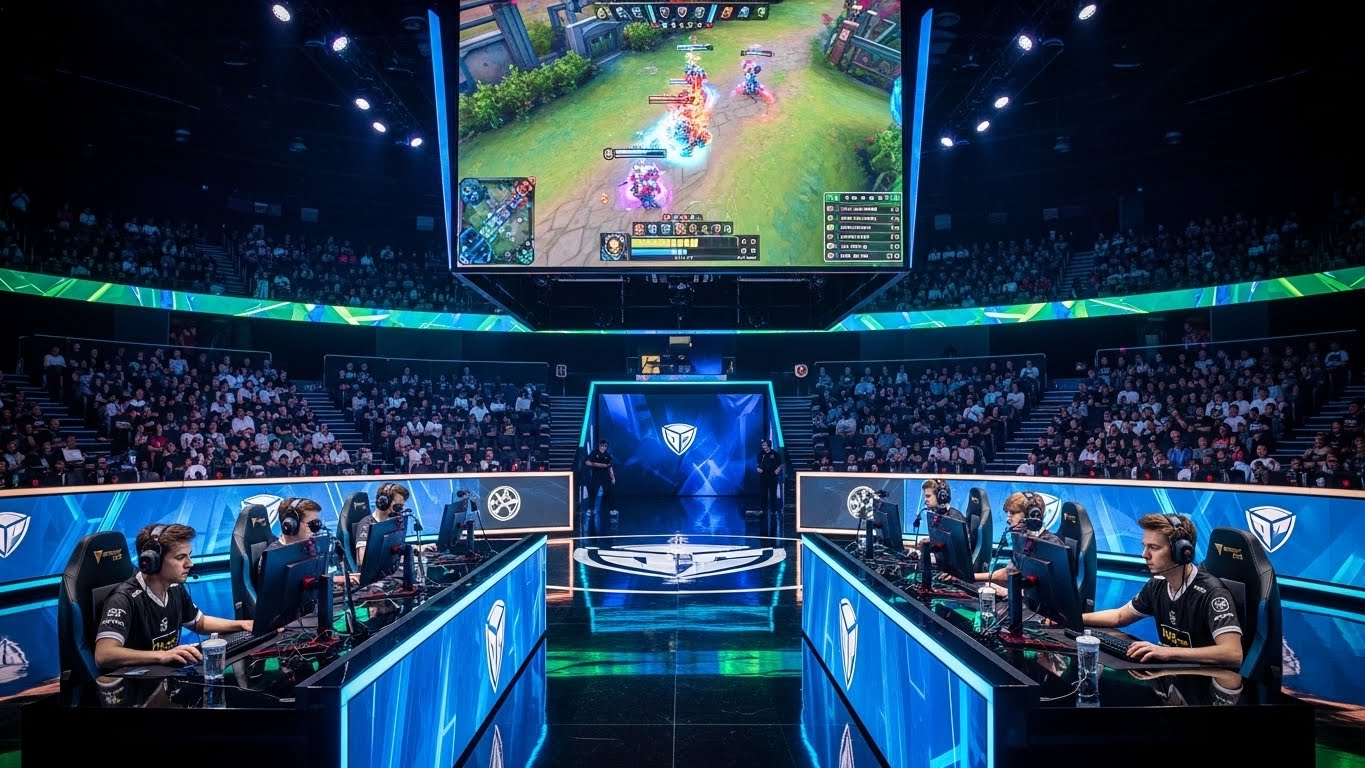
One of the most fascinating aspects of Esports is its transformation into a spectator sport. Millions of fans worldwide tune in to watch tournaments, finals, and even casual streams. Live events fill massive stadiums, with crowds cheering for their favorite teams just as they would at a football or basketball game.
Streaming platforms have made Esports more accessible than ever. Viewers can watch from any device, chat with others, and even support their favorite players directly. This interactivity gives Esports a unique advantage over traditional sports. Fans are not just passive viewers — they are part of the experience.
Major Esports championships now rival traditional sporting events in terms of viewership. The League of Legends World Championship and The International for Dota 2 regularly draw audiences in the tens of millions. Esports stars are becoming household names, and their plays are analyzed, celebrated, and even memed across the internet.
The Economic Power of Esports
Esports is not just a hobby; it is a booming industry. The global Esports market has grown into a multi-billion-dollar powerhouse, driven by sponsorships, media rights, advertising, and merchandise. Major brands from various sectors — from tech giants to energy drink companies — invest heavily in Esports, recognizing its massive youth audience.
Team organizations function much like those in traditional sports. They manage rosters, negotiate contracts, and build brand identities. Esports organizations also collaborate with fashion designers and content creators, expanding their reach beyond gaming into lifestyle and entertainment.
Prize pools in major tournaments can reach staggering amounts. The International 2019 offered a prize pool exceeding $30 million, one of the largest in competitive history. However, beyond the prize money, revenue from streaming, brand deals, and fan support drives the economy. Universities now offer scholarships for Esports players, and cities compete to host major tournaments due to the tourism and publicity they bring.
Technology: The Backbone of the Esports Revolution
Without technology, Esports could not exist. Every aspect — from the games themselves to the broadcasting tools — relies on cutting-edge innovation. High-speed internet, powerful graphics cards, and streaming platforms have made it possible for players and fans to connect seamlessly from around the world.
Virtual reality and augmented reality are opening new possibilities for immersive experiences. Artificial intelligence is being used to analyze player performance and predict outcomes. Cloud gaming services allow players to compete without expensive hardware, leveling the playing field for gamers everywhere.
Moreover, the technological infrastructure behind live tournaments is staggering. Sophisticated production setups rival those of Hollywood studios. Commentators, known as “casters,” provide live play-by-play coverage, and camera operators capture every moment in dynamic, cinematic style. The blend of sport and technology creates a spectacle that is both thrilling and futuristic.
The Cultural Impact of Esports
Esports is not just about competition; it’s about culture. Gaming communities have become social hubs where people from diverse backgrounds connect and share a common passion. Esports events are cultural festivals in their own right, featuring music, cosplay, art, and creativity.
This global culture transcends borders. A player from Brazil can compete against a team from South Korea, watched by fans in Europe and Africa — all in real time. The shared language of gaming unites millions. Esports has also become a vehicle for inclusion, giving people from all walks of life a platform to express themselves and pursue their dreams.
Mainstream recognition is growing, too. Esports athletes appear on magazine covers, star in commercials, and collaborate with musicians and filmmakers. Universities, governments, and even the Olympic Committee are acknowledging Esports as a legitimate form of competition. It is not just entertainment — it is a cultural movement shaping modern identity.
Challenges and Controversies in the Esports World
Despite its success, Esports faces significant challenges. One major issue is sustainability. The industry’s rapid growth has led to questions about player welfare, fair pay, and job security. Many players face short careers, unpredictable income, and intense pressure to perform.
Toxicity and harassment within online communities are also pressing concerns. As with any online platform, ensuring safe and inclusive environments for players and fans is a continuous struggle. Developers and organizations are now investing in moderation tools, education, and ethical guidelines to make gaming spaces healthier.
Another challenge is regulation. Unlike traditional sports with unified governing bodies, Esports remains fragmented. Different game publishers, tournament organizers, and regional rules create inconsistencies. Establishing standardized regulations for contracts, anti-doping measures, and fair play remains a key goal for the industry’s maturity.
Education and Esports: A New Academic Frontier
Esports is finding its way into classrooms and universities around the globe. Educational institutions now recognize the potential of gaming to teach teamwork, strategy, communication, and leadership. Esports programs and scholarships are becoming increasingly common, offering students a path to professional gaming or related careers.
Beyond competition, Esports education includes fields like game design, event management, marketing, and broadcasting. Students learn not only to play but also to understand the industry’s ecosystem. This academic recognition marks an important milestone — Esports is not just fun; it’s a serious career and cultural discipline.
Esports and Traditional Sports: Rivals or Allies?
The relationship between Esports and traditional sports is evolving. Initially, traditional sports organizations viewed Esports as competition for attention and sponsorships. However, the narrative has shifted. Many professional sports franchises now own or sponsor Esports teams, recognizing the potential for crossover audiences.
Both worlds share similar elements: teamwork, strategy, training, and fan engagement. The difference lies in the medium. While one takes place on a field or court, the other unfolds in digital arenas. As younger generations grow up with gaming as a cultural norm, the lines between Esports and traditional sports continue to blur.
The Future of Esports: Where Do We Go from Here?
The future of Esports looks brighter than ever. As technology advances and mainstream acceptance deepens, the potential for innovation is limitless. We can expect more immersive experiences through virtual reality, expanded global tournaments, and deeper integration with entertainment industries.
One exciting frontier is the metaverse — a digital world where Esports could exist beyond screens. Players might compete in fully 3D virtual arenas, while fans watch through virtual headsets from anywhere on Earth. This could redefine what it means to attend an Esports event entirely.
Additionally, Esports could become a permanent fixture in global sporting events, with discussions about its inclusion in future Olympic Games. With increasing institutional support, better player protections, and sustainable models, Esports may very well shape the future of digital culture and competitive entertainment.
Conclusion: The Dawn of a New Era
Esports is more than just gaming; it’s a revolution — a fusion of technology, culture, and competition. It represents how digital entertainment can bring people together, create new opportunities, and inspire millions across the globe. The journey from arcade battles to international stadiums is a testament to human creativity, community, and ambition.
As the world continues to evolve, Esports will undoubtedly remain at the forefront of innovation and culture. It has transformed players into athletes, fans into global communities, and games into art forms. The age of digital gladiators is here — and it’s only just beginning.