Introduction
Esports, short for electronic sports, has evolved from being a small hobby shared by groups of video game enthusiasts to a global phenomenon attracting millions of viewers and generating billions in revenue. What started as a niche community activity is now a recognized professional field, complete with sponsorships, tournaments, celebrities, and even collegiate programs. Esports represents a blend of technology, entertainment, and competition that has transformed how people perceive gaming and digital culture. The rise of esports is one of the most fascinating stories of the modern era—a movement driven by passion, innovation, and a shared love for gaming.
The Early Days of Competitive Gaming
The origins of esports trace back to the early days of arcade machines and personal computers. In the 1970s and 1980s, video games were primarily seen as a form of entertainment. Yet, even in those early years, competition found its way into the gaming world. The first known video game competition took place at Stanford University in 1972, where students played the game Spacewar! for a year’s subscription to a magazine. It may sound small by today’s standards, but it marked the beginning of something much larger.
By the 1980s, arcades became the heart of gaming culture. Players competed for high scores on titles like Pac-Man, Donkey Kong, and Space Invaders. Magazines such as Twin Galaxies began recording high scores, and competitive gaming slowly gained recognition. Still, without the internet or modern broadcasting, esports remained largely local and community-based.
The Birth of Online Competition
The 1990s brought a technological revolution that changed gaming forever. With the rise of personal computers and internet connectivity, players could compete against each other from around the world. Games like Doom, Quake, and StarCraft became the foundation for early online competitions. LAN (Local Area Network) parties became popular, where players would connect their computers in the same physical space to play against one another.
This era also saw the rise of professional tournaments. In 1997, the Red Annihilation tournament for Quake drew over 2,000 participants, with the winner taking home a Ferrari. Around the same time, South Korea embraced online gaming culture, setting the stage for esports’ global dominance. The Korean game StarCraft became so popular that it led to televised matches and professional leagues, establishing South Korea as the birthplace of modern esports.
The 2000s: The Rise of Esports as an Industry
As the internet became more accessible and gaming hardware more advanced, esports began to grow into a global industry. The early 2000s introduced major tournaments such as the Cyberathlete Professional League (CPL), World Cyber Games (WCG), and Electronic Sports World Cup (ESWC). These events provided players with platforms to showcase their skills on an international stage.
Games like Counter-Strike, Warcraft III, and Halo built massive followings. Teams and clans began to form, complete with sponsorships and dedicated fan bases. Online streaming platforms were still in their infancy, but competitive gaming communities thrived on forums, websites, and word of mouth.
At this point, esports was becoming professionalized. Players trained regularly, teams had coaches, and sponsors began investing in equipment and events. The prize pools were modest compared to today’s standards, but they represented a new era of legitimacy for gaming as a sport.
The Streaming Revolution and Mainstream Popularity
The 2010s marked the true explosion of esports. The launch of platforms like Twitch and YouTube Gaming revolutionized how audiences consumed gaming content. Fans could now watch their favorite players live from anywhere in the world, creating a direct connection between players and their audiences.
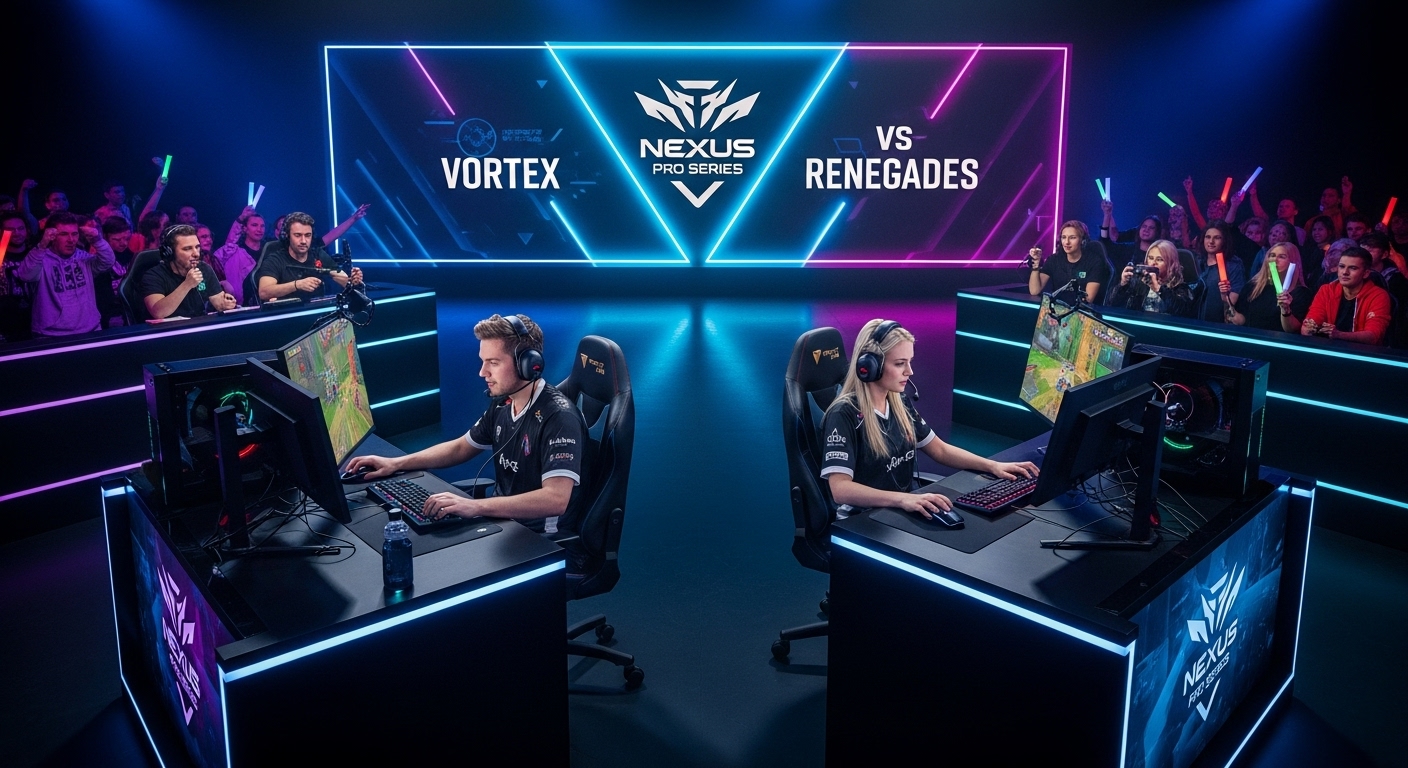
This accessibility turned gaming into a spectator sport. Events like The International for Dota 2 and the League of Legends World Championship attracted millions of live viewers. Prize pools soared to tens of millions of dollars, rivaling traditional sports tournaments. The 2019 Fortnite World Cup awarded $30 million in prizes, cementing esports as a financial powerhouse.
Major brands such as Coca-Cola, Intel, and Nike began sponsoring teams and events. Esports organizations like Fnatic, Cloud9, and Team Liquid became household names. Traditional sports franchises even began investing in esports teams, recognizing the value of this growing industry.
Esports and the Global Community
One of the most remarkable aspects of esports is its global reach. Unlike traditional sports, which can be limited by geography or infrastructure, esports only requires an internet connection and access to the game. This inclusivity has made it possible for players from all backgrounds and regions to compete at the highest level.
South Korea remains a central hub, but countries like China, the United States, and Sweden have also become major players. Southeast Asia, South America, and the Middle East are rapidly developing their own esports ecosystems. International tournaments now feature competitors from across the globe, uniting players under a shared passion for gaming.
The community-driven nature of esports has also fostered a sense of belonging for millions. Online forums, Discord servers, and social media platforms allow fans and players to connect, share strategies, and celebrate their favorite teams. Esports has become more than just competition—it’s a culture built on collaboration, creativity, and community.
Professional Players and Esports Careers
Esports has created entirely new career paths that did not exist two decades ago. Professional players now earn salaries, sponsorships, and streaming revenue. Top-tier players can become millionaires through tournament winnings and brand partnerships.
Beyond players, the industry supports a wide range of roles—coaches, analysts, content creators, event organizers, and marketing specialists. Universities now offer scholarships for esports athletes, and educational programs are teaching the business and technical sides of gaming.
However, professional gaming is not without challenges. The intense competition, long training hours, and mental pressure can take a toll on players. Burnout and injuries like repetitive strain are common concerns. As esports continues to mature, organizations are focusing more on player health, well-being, and career longevity.
The Role of Technology in Esports Development
Technology has been the backbone of esports growth. Advances in internet speed, graphics, and hardware have made online competition smoother and more immersive. High-refresh-rate monitors, gaming peripherals, and low-latency networks allow players to perform at peak levels.
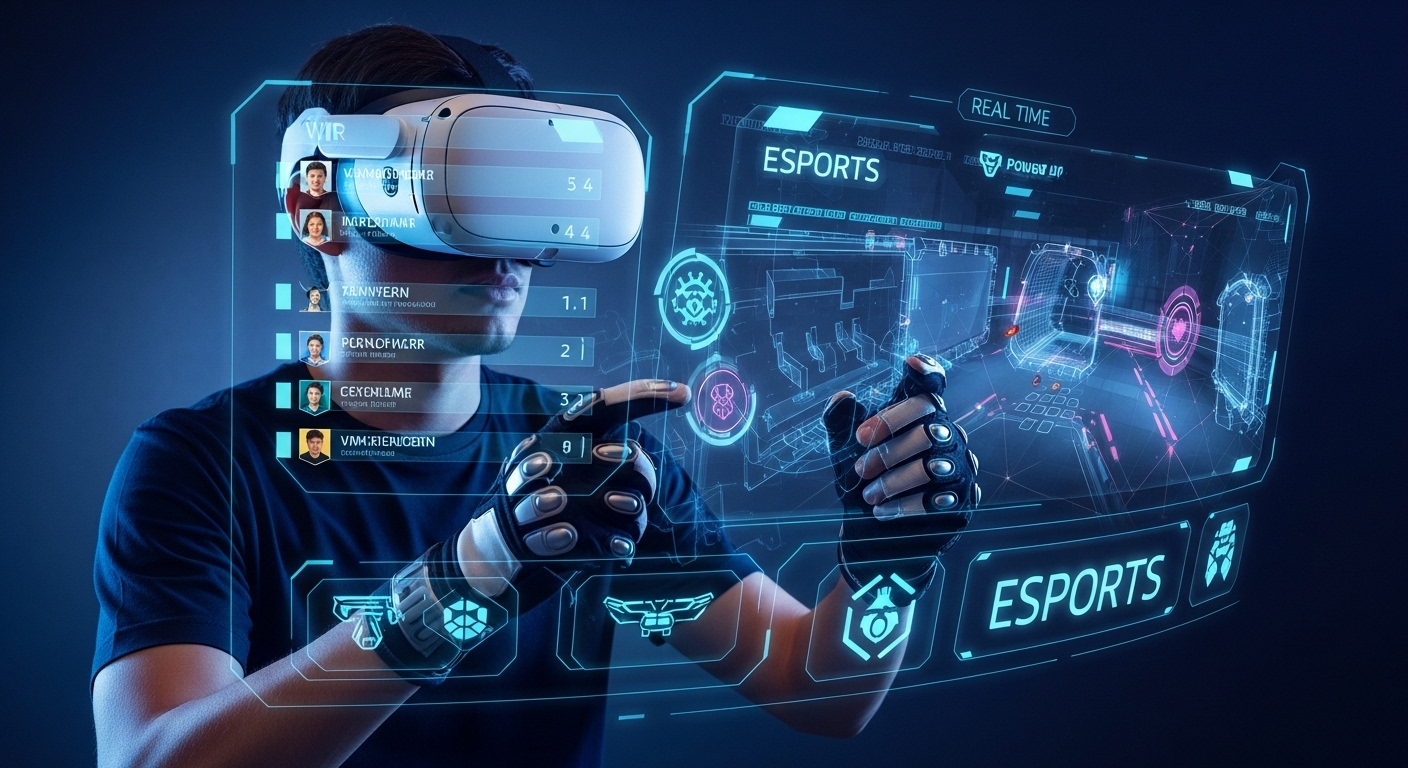
Virtual reality and augmented reality are expected to play increasing roles in the future of esports. Developers are experimenting with VR esports titles, offering entirely new dimensions of interactivity. Artificial intelligence is also being used to analyze player performance, predict outcomes, and assist in training programs.
Streaming platforms and social media algorithms have amplified the reach of esports content, making it easier for fans to discover and follow their favorite players. The integration of mobile technology has opened up competitive gaming to billions of smartphone users, particularly in regions where console and PC gaming are less accessible.
Esports and Traditional Sports: A New Rivalry and Partnership
Esports often draws comparisons to traditional sports, and while the two are different in many ways, their similarities are striking. Both require strategy, teamwork, practice, and mental discipline. Professional esports players often train as rigorously as athletes in physical sports, dedicating countless hours to refining their skills.
Traditional sports organizations have increasingly embraced esports. Football clubs, basketball teams, and even Formula 1 racing organizations have established their own esports divisions. These partnerships bridge the gap between digital and physical competition, attracting fans from both sides.
The debate over whether esports should be considered a “real sport” has persisted for years, but recognition is growing. Some countries now classify professional gamers as athletes, and esports has been included as a medal event in major multi-sport competitions like the Asian Games. The inclusion of esports in future Olympic events remains a topic of discussion, signaling how far it has come.
Cultural and Social Impact of Esports
Esports has had a profound influence on global culture. It has changed how people view video games—from mindless entertainment to a legitimate career and art form. Gaming has become a social experience, connecting people across borders and languages.
Esports events bring together diverse audiences, promoting inclusivity and collaboration. Unlike traditional sports, where physical ability can limit participation, esports offers opportunities for players of different genders, backgrounds, and physical capabilities. Women in esports are gaining greater visibility, with female teams and leagues emerging to promote gender balance in the industry.
Moreover, esports has contributed to the growth of related industries such as streaming, digital marketing, and merchandise. Gaming conventions, fan expos, and live tournaments have become major cultural events, attracting thousands of attendees.
Challenges Facing the Esports Industry
Despite its success, esports faces several challenges. Issues like player burnout, financial instability for smaller teams, and inconsistent regulations remain significant hurdles. Unlike traditional sports with established governing bodies, esports lacks a universal regulatory structure. Each game publisher often sets its own rules, creating fragmentation across the industry.
Toxicity and harassment in online communities also pose challenges. Developers and organizers are working to create safer, more inclusive environments for both players and fans. Additionally, as esports continues to commercialize, there are concerns about maintaining its authenticity and community-driven roots.
Another major challenge is the balance between accessibility and profitability. While esports has opened opportunities worldwide, high-performance gaming equipment and reliable internet access remain barriers in developing regions. Ensuring that esports remains open to all is crucial for its continued growth.
The Future of Esports
The future of esports looks brighter than ever. With advances in technology, greater investment, and expanding global audiences, esports is poised to rival traditional sports in terms of viewership and influence. The rise of mobile esports has already expanded its reach to billions of new players, particularly in emerging markets.
Educational institutions are increasingly integrating esports programs into their curricula, recognizing its potential to teach teamwork, leadership, and digital literacy. The continued professionalization of the industry will bring better support systems for players, from mental health resources to retirement planning.
Virtual reality, artificial intelligence, and blockchain technology are expected to redefine how esports is played and experienced. Fans may soon be able to interact with tournaments in immersive digital arenas, while players compete in entirely new virtual worlds.
As media consumption habits shift, esports is well-positioned to thrive in a digital-first entertainment landscape. Younger generations, who grew up watching streamers and gaming influencers, see esports not as an alternative to sports but as a natural part of modern culture.
Conclusion
Esports represents the evolution of competition in the digital age. What began as small-scale gaming contests has transformed into a global industry that blends technology, creativity, and human skill. It has redefined entertainment, reshaped youth culture, and created countless opportunities for individuals and communities worldwide.
The story of esports is a testament to the power of passion and innovation. As technology continues to advance and global connectivity deepens, esports will only grow more influential. It stands as a symbol of how human ambition can turn play into profession, and imagination into reality.
Esports is not merely the future of gaming—it is the future of sports, culture, and global connection. It embodies a new era where competition transcends physical boundaries, uniting millions under the shared thrill of digital excellence. And as this remarkable industry continues to evolve, one thing is certain: the world of esports has only just begun its journey.