Introduction
eSports, short for electronic sports, has emerged as one of the fastest-growing sectors in the gaming world. Competitive gaming has transformed from casual online matches into professional tournaments with millions of viewers, high-stakes prizes, and global recognition. More than just entertainment, eSports represents skill, strategy, teamwork, and a new career frontier for players and enthusiasts worldwide.
The Growth of eSports
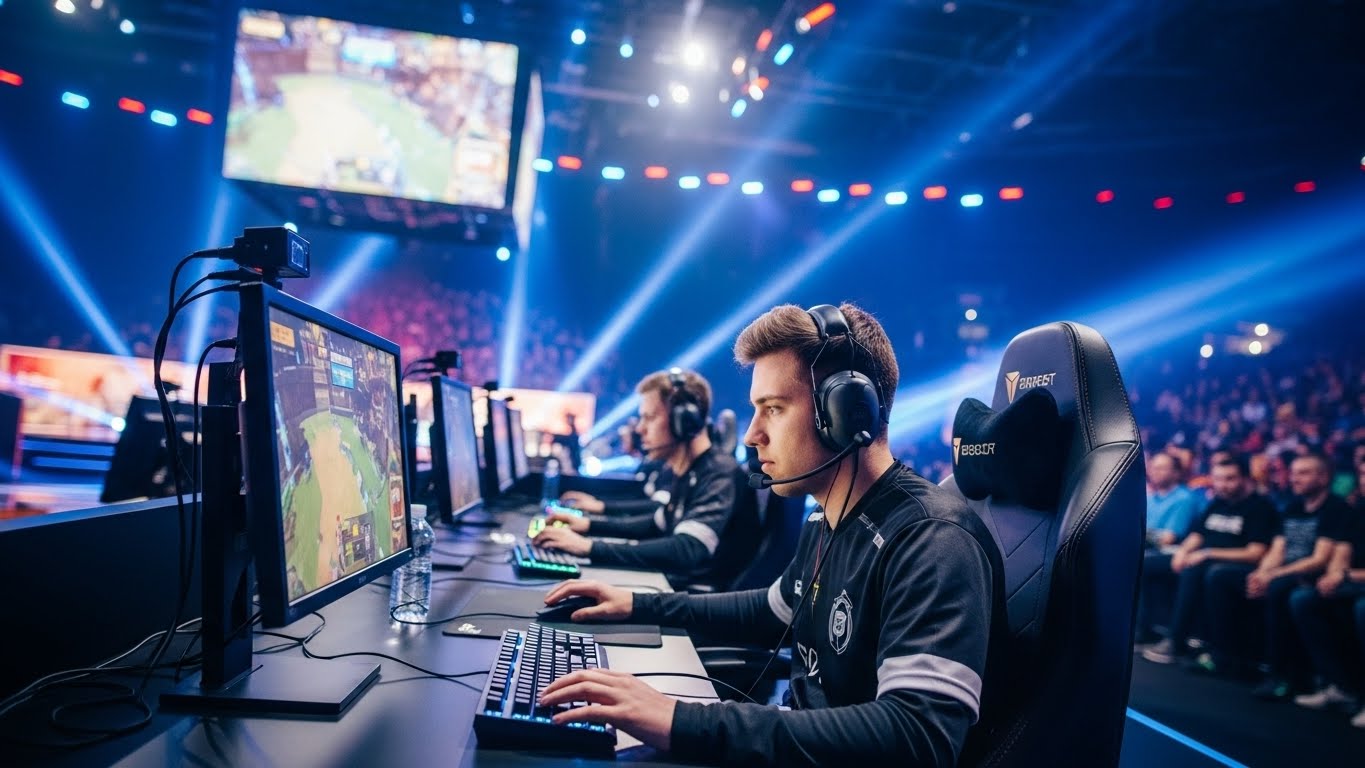
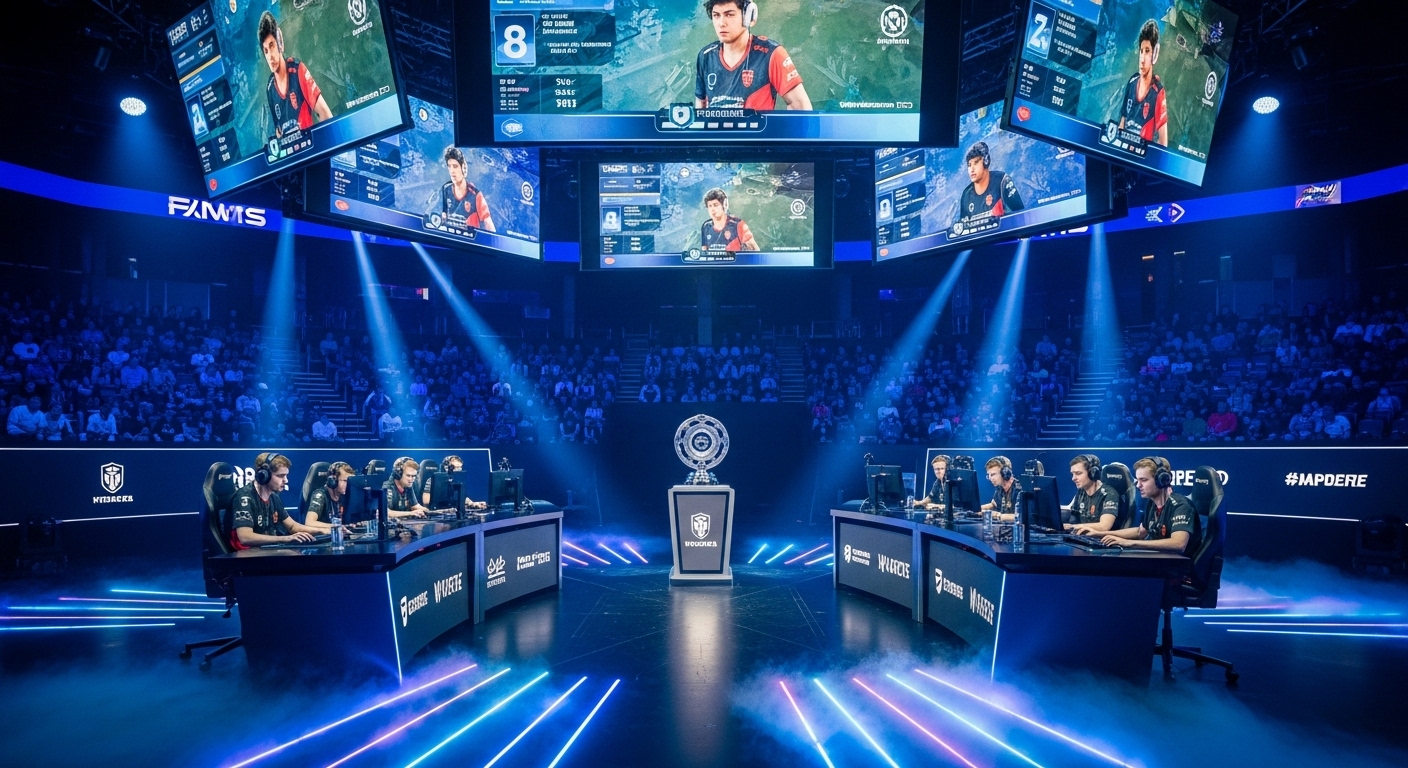
The rise of eSports over the last decade has been remarkable. Once considered a niche hobby, competitive gaming now fills arenas, attracts sponsorships, and commands global attention. High-speed internet, streaming platforms, and professional gaming leagues have made it possible for players from around the world to compete and connect. Today, eSports tournaments rival traditional sports events in popularity and excitement.
Popular eSports Genres
eSports spans a variety of game genres that cater to different audiences. Multiplayer Online Battle Arenas (MOBAs) like League of Legends emphasize strategy and team coordination. First-Person Shooters (FPS) such as Counter-Strike and Call of Duty test speed, accuracy, and reflexes. Battle Royale games and sports simulation games also attract millions of players and viewers. Each genre offers unique challenges, requiring skill, precision, and critical thinking.
Professional Players and Training
Professional eSports players dedicate significant time to training and skill development. Practice schedules, strategy planning, and physical fitness are essential for peak performance. Top players participate in regional and international competitions, representing teams or sponsors. Their commitment demonstrates that eSports requires the same discipline, focus, and teamwork as traditional professional sports.
Community and Engagement
eSports fosters strong communities that extend beyond gameplay. Fans engage through live streams, social media, and tournaments, creating shared experiences and discussions about strategy, performance, and favorite players. Online communities allow players to collaborate, compete, and connect with people who share their passion, making eSports a social as well as competitive experience.
Economic and Career Opportunities
The eSports industry has created diverse career paths beyond playing professionally. Commentators, coaches, event organizers, content creators, and marketers all play key roles in this growing ecosystem. Sponsorships, merchandise, and streaming revenue have turned eSports into a multi-million-dollar industry, providing financial opportunities for those involved in various capacities.
The Future of eSports
The future of eSports is bright, with technological advancements enhancing both gameplay and spectator experiences. Virtual reality and augmented reality are creating immersive environments, while AI and data analytics provide insights for training and strategy. Universities and institutions are also recognizing eSports, offering programs and scholarships for aspiring professionals, signaling its legitimacy as a career path.
Conclusion
eSports has redefined what it means to compete and entertain in the digital age. It combines skill, strategy, teamwork, and community, creating experiences that resonate worldwide. As technology advances and the industry grows, eSports will continue to shape entertainment, create opportunities, and inspire a new generation of players and fans. Competitive gaming is no longer just a hobby—it is a revolution.