Introduction: The New Era of Gaming
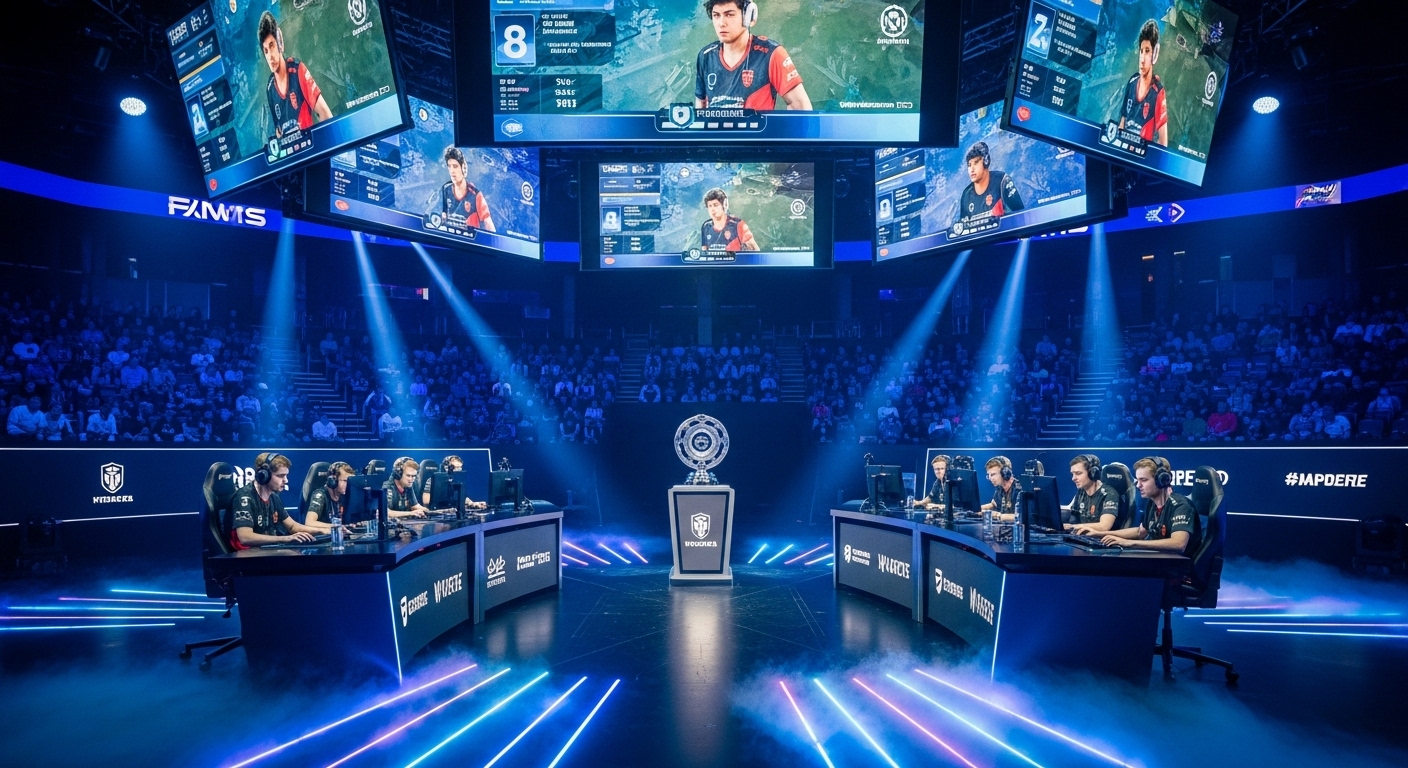
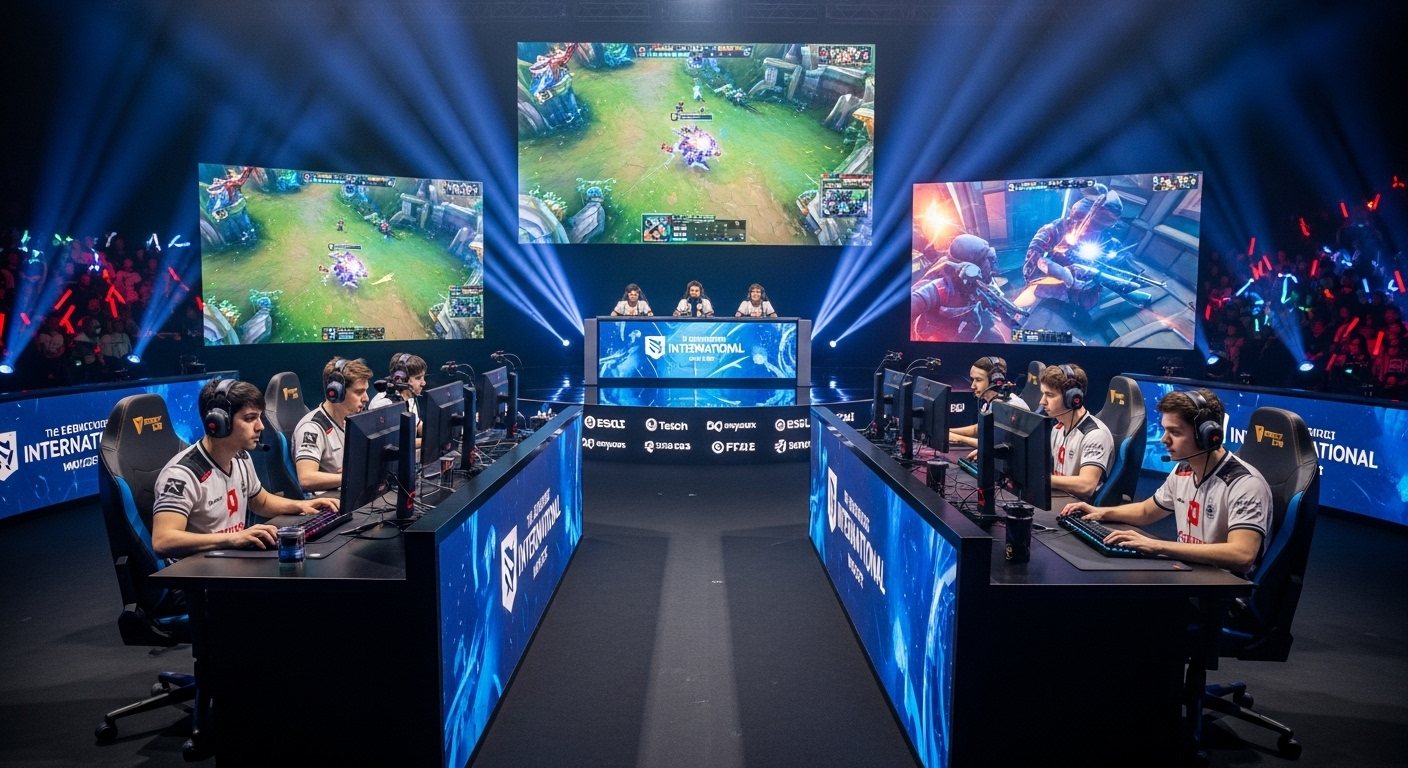
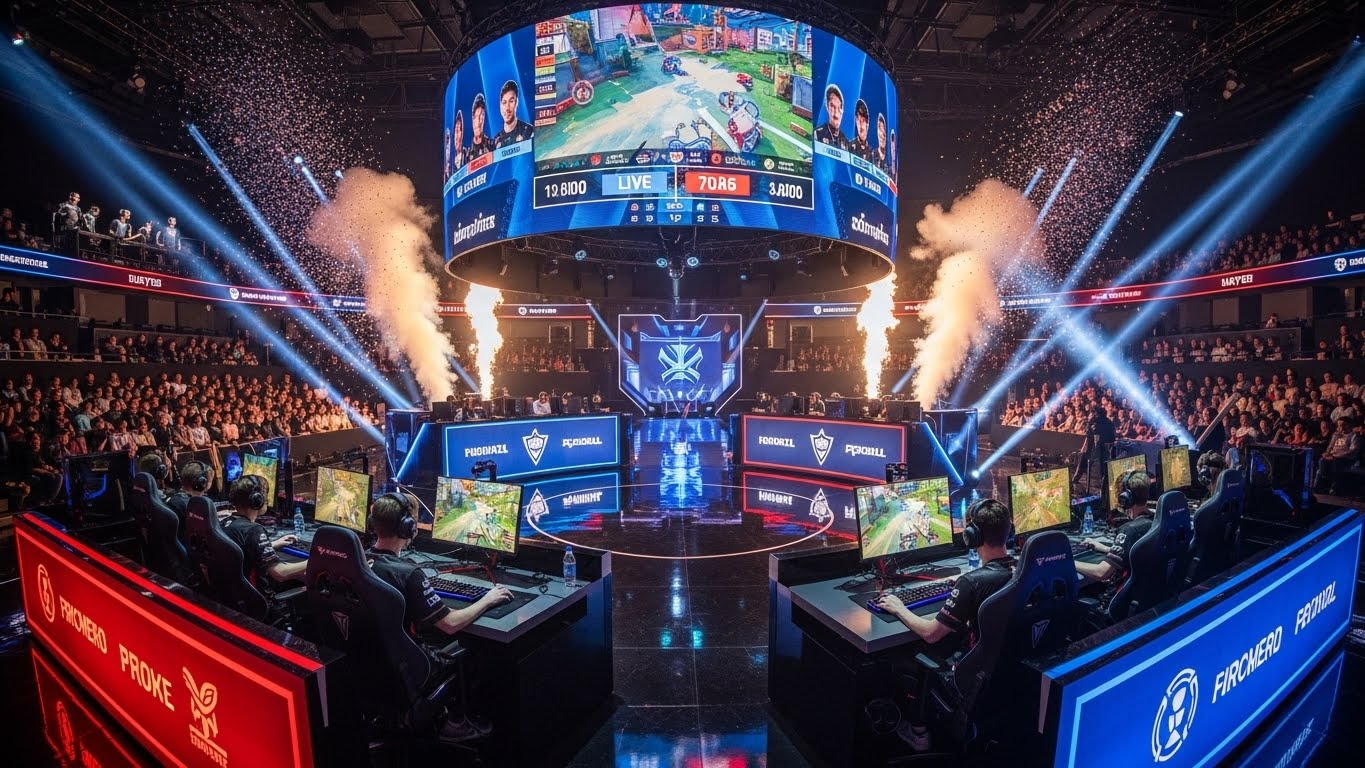
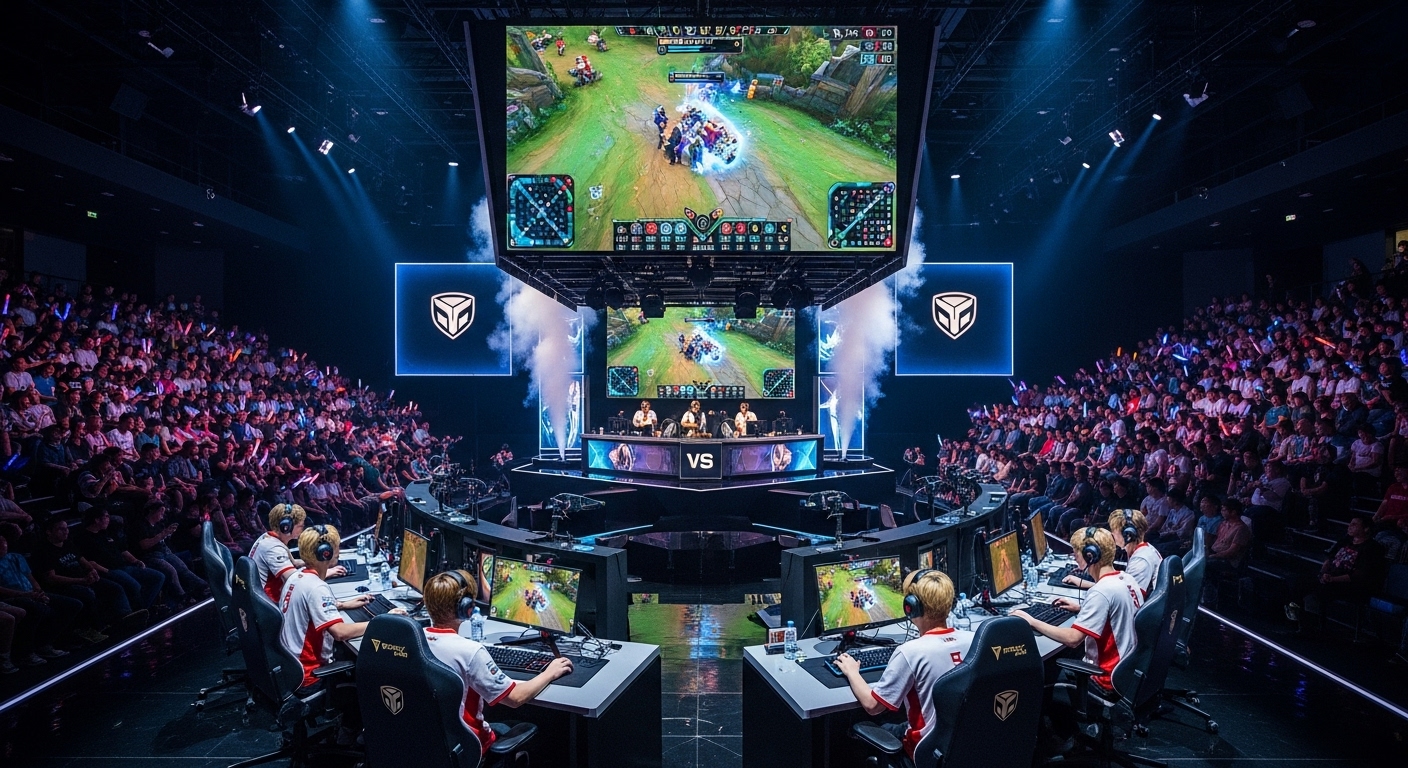
Esports, short for electronic sports, has rapidly transformed from casual gaming into a global competitive industry. Today, it is more than just playing video games—it is a spectacle of skill, strategy, teamwork, and entertainment that captivates millions worldwide. With professional players, organized tournaments, and passionate fan communities, esports has firmly established itself as a serious form of modern competition.
The Origins of Esports
The roots of esports trace back to early gaming tournaments in the 1980s and 1990s, featuring games like Pac-Man, Street Fighter, and StarCraft. Initially, competitions were small-scale and community-driven. However, as internet connectivity improved, online multiplayer games emerged, allowing players from different regions to compete. This shift paved the way for professional leagues, international tournaments, and a thriving esports ecosystem.
Popular Esports Genres
Esports encompasses a wide range of game genres, each offering distinct competitive experiences. Multiplayer Online Battle Arena (MOBA) games such as League of Legends and Dota 2 emphasize strategic team coordination. First-Person Shooter (FPS) games like Valorant and Call of Duty focus on reflexes, precision, and tactical decision-making. Additionally, fighting games, sports simulations, and real-time strategy titles provide diverse platforms for showcasing skill and creativity.
Professional Players and Training
Professional esports athletes dedicate themselves to rigorous training routines similar to traditional sports. They spend hours practicing mechanics, analyzing strategies, and maintaining mental focus. Many teams have coaches, analysts, and support staff to optimize performance. Success in esports requires discipline, quick thinking, teamwork, and resilience, making professional players true athletes in the digital arena.
The Business of Esports
Esports has grown into a multi-billion-dollar industry driven by sponsorships, advertising, merchandise, and media rights. Companies recognize the influence of esports audiences, particularly younger demographics, and invest heavily in teams and tournaments. Streaming platforms provide additional revenue streams through subscriptions and donations, creating a robust financial ecosystem that sustains the industry and supports players.
Cultural Impact and Community
Esports has cultivated a vibrant global community. Fans engage through streaming platforms, social media, and live events, creating shared experiences around their favorite games and players. The culture of esports influences entertainment, fashion, and even music, bridging digital and mainstream culture. It is this sense of community that makes esports more than a competition—it is a cultural phenomenon.
Challenges Facing Esports
Despite its explosive growth, esports faces several challenges. Player burnout, mental health issues, and inconsistent regulations are pressing concerns. Ensuring fair play, reducing online toxicity, and providing sustainable career paths for players are critical for long-term stability. Balancing commercial growth with player well-being remains one of the industry’s key priorities.
Conclusion: The Future of Esports
Esports represents the future of competitive entertainment, combining technology, strategy, and community in unprecedented ways. Its rapid evolution continues to redefine what it means to be an athlete and a fan in the digital age. As the industry grows, opportunities for players, teams, and enthusiasts will expand, ensuring that esports remains a dynamic and influential part of global culture for years to come.