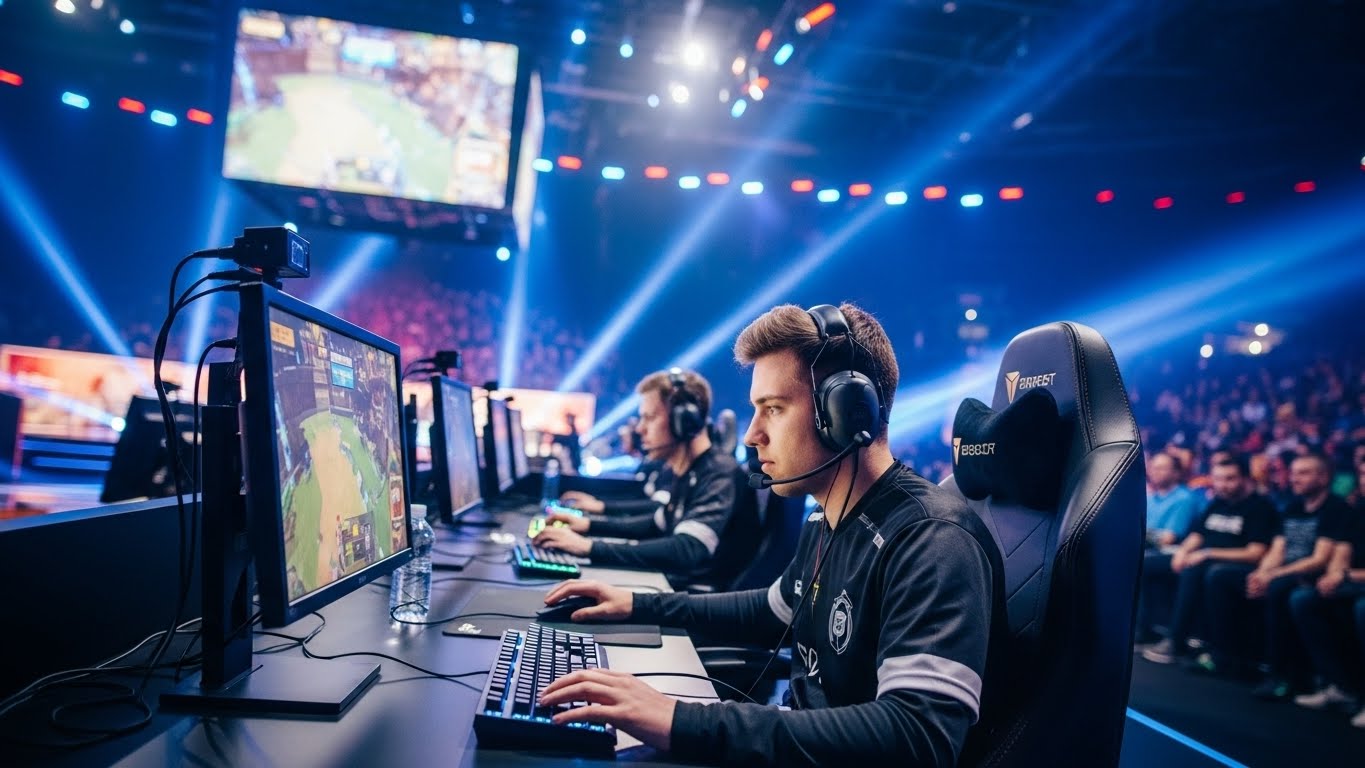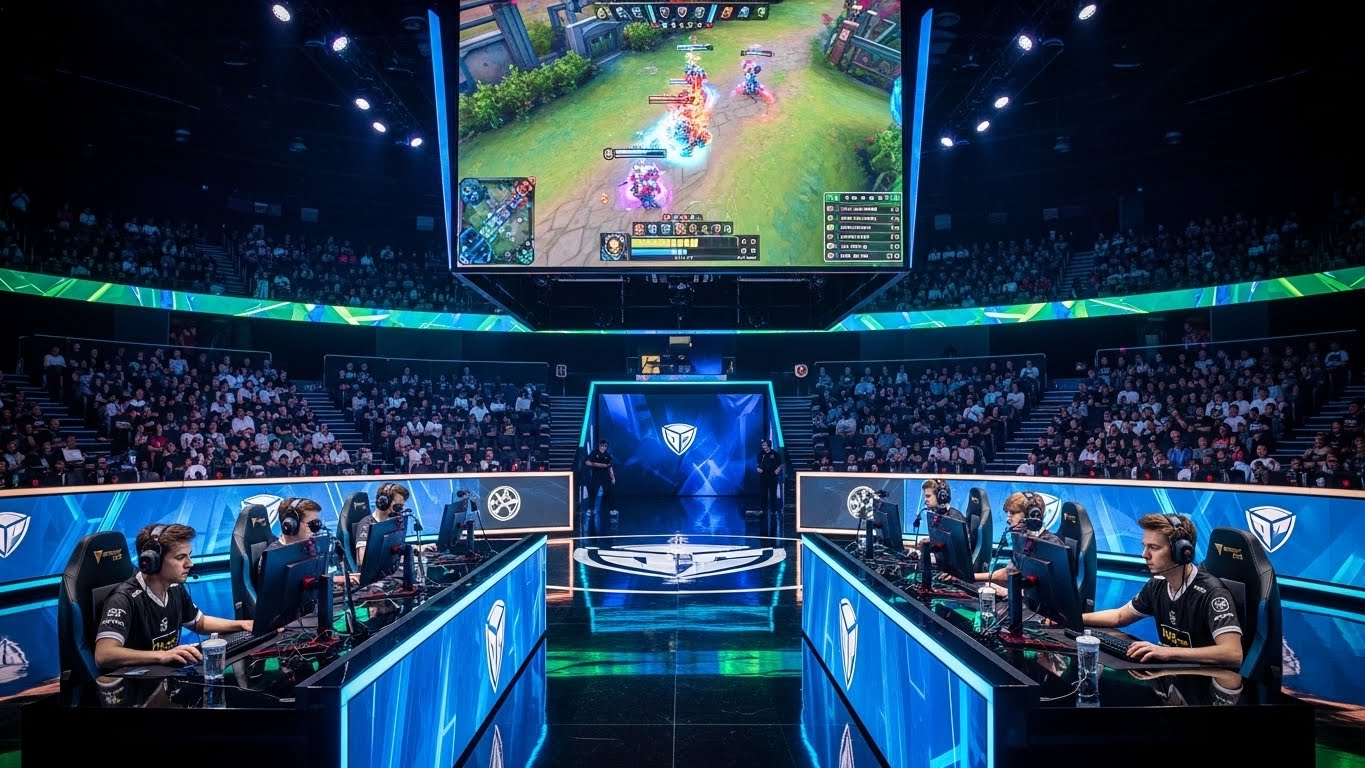
Esports, or competitive video gaming, has grown from a niche pastime into a global industry that rivals traditional sports in both popularity and financial stakes. Over the past two decades, esports has transformed the way people perceive gaming, turning it into a professional and highly competitive arena. Today, millions of players and fans around the world participate in, watch, and invest in esports events, signaling a cultural shift in entertainment, technology, and sports.
Understanding Esports
At its core, esports refers to organized competitive gaming. Unlike casual gaming, which is primarily recreational, esports involves structured competitions, often featuring teams or individual players who train rigorously to achieve victory. These competitions can range from local tournaments to massive international events with millions of viewers and prize pools worth millions of dollars.
Esports encompasses a wide range of games, including multiplayer online battle arenas (MOBAs) like League of Legends, first-person shooters (FPS) such as Counter-Strike: Global Offensive and Call of Duty, real-time strategy (RTS) games like StarCraft, and battle royale titles like Fortnite. Each game genre has its own competitive ecosystem, rules, and community, making esports a diverse and dynamic industry.
The Early Days of Competitive Gaming
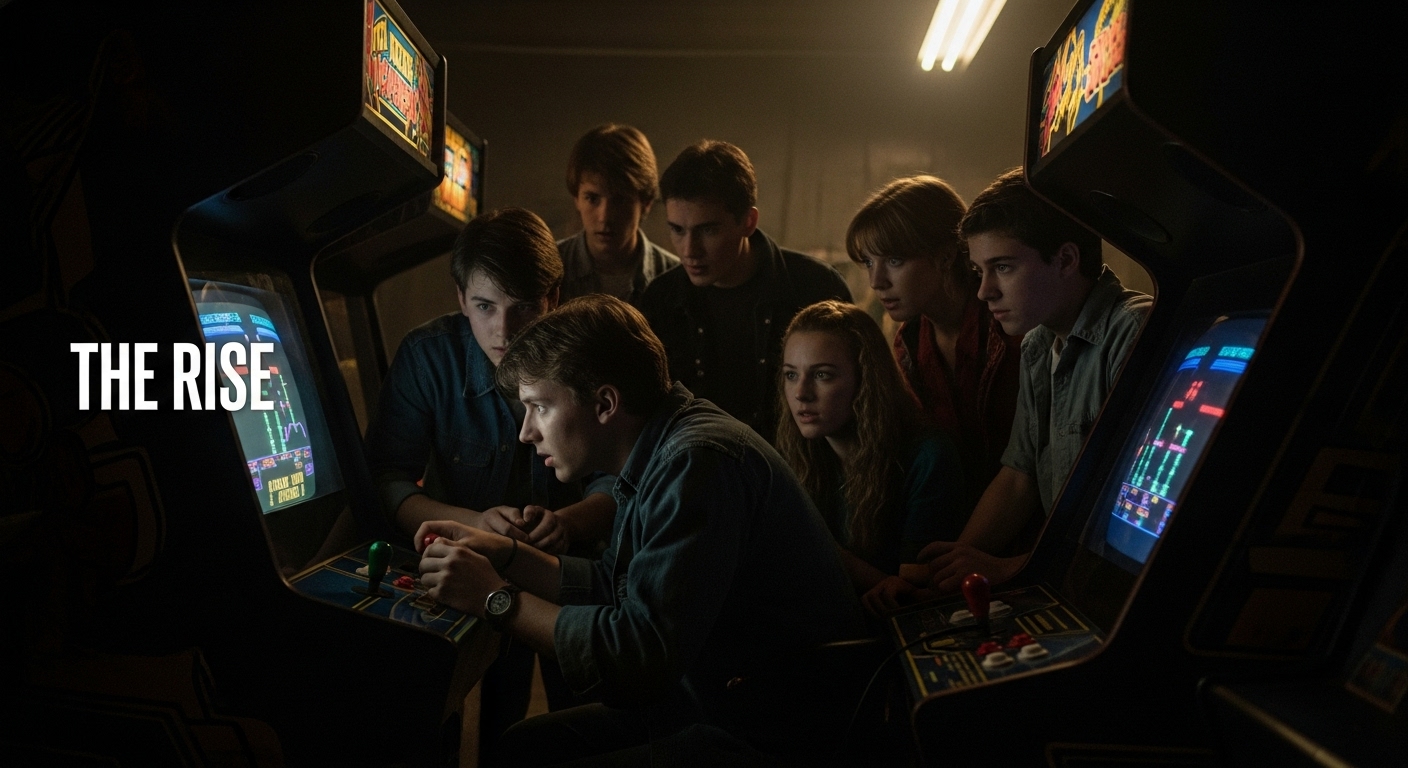
The roots of esports can be traced back to the late 1970s and 1980s, with arcade competitions and early video game tournaments. One of the first known events was the 1980 Space Invaders Championship, held in the United States, which attracted thousands of players. During this era, gaming competitions were primarily local, often organized by arcade owners or gaming enthusiasts.
The 1990s saw the rise of online gaming and LAN (Local Area Network) tournaments, which allowed players to compete with one another over short distances. Games like Quake, StarCraft, and Counter-Strike became early competitive staples. Although these events were relatively small, they laid the foundation for what would eventually become a massive global esports industry.
The Explosion of Esports in the 2000s
The early 2000s marked a turning point for esports. High-speed internet and streaming technology enabled online competitions to reach a broader audience. Game developers began to recognize the potential of competitive gaming, investing in tournaments and marketing esports as a legitimate form of entertainment.
South Korea played a particularly influential role during this period. With a strong gaming culture and government support for internet cafes (PC bangs), South Korea became the epicenter of competitive gaming. Titles like StarCraft: Brood War became national phenomena, and professional gamers emerged as celebrities. South Korean esports leagues introduced structured competitions, sponsorships, and broadcasting, setting a model that other countries would later adopt.
Streaming Platforms and Global Audience Growth
One of the key drivers of modern esports is live streaming. Platforms such as Twitch, YouTube Gaming, and later Facebook Gaming allowed fans to watch their favorite players and teams in real time. This shift transformed esports into a spectator sport, attracting millions of viewers who were previously disconnected from gaming culture.
Live streaming also provided a platform for amateur players to showcase their skills, creating a pathway to professional competition. Esports organizations began scouting talent from online communities, further professionalizing the industry. The accessibility of streaming has played a crucial role in globalizing esports, connecting fans and players across continents.
Professional Esports Teams and Organizations
As esports grew, professional teams and organizations began to emerge. Unlike traditional sports teams, esports organizations often encompass multiple games and franchises under a single brand. Teams like Team Liquid, Fnatic, and Cloud9 have become household names among gaming enthusiasts.
These organizations provide infrastructure for their players, including coaching, training facilities, and marketing support. Players often sign contracts with salaries, sponsorship deals, and incentives based on performance. The professionalization of esports has elevated the level of competition, with teams dedicating hours of practice each day to maintain peak performance.
Major Esports Titles and Their Impact
Certain games have had a profound impact on the growth of esports. League of Legends, developed by Riot Games, is one of the most successful esports titles of all time. Its global tournaments, such as the League of Legends World Championship, attract millions of viewers and feature multi-million-dollar prize pools.
First-person shooters like Counter-Strike: Global Offensive and Overwatch have also made significant contributions. These games emphasize teamwork, strategy, and reflexes, attracting highly skilled players and enthusiastic fanbases. Battle royale games like Fortnite have introduced a younger generation to esports, blending casual gaming with competitive elements and live streaming culture.
Esports Tournaments and Events
Esports tournaments range from small-scale local events to massive international competitions. Major events such as The International (Dota 2), the League of Legends World Championship, and the Fortnite World Cup have set new standards for prize money, production quality, and global viewership.
These events are more than just competitions; they are cultural spectacles. Fans gather in arenas, watch live broadcasts, and participate in fan experiences, similar to traditional sports events. The scale of these tournaments demonstrates the legitimacy of esports as an entertainment industry and highlights its potential for continued growth.
The Role of Sponsorship and Media Rights
Sponsorship and media rights are crucial revenue streams for the esports industry. Companies from diverse sectors, including technology, beverages, apparel, and finance, invest in esports to reach young, engaged audiences. Sponsorship deals often include team funding, tournament support, and promotional campaigns, creating mutually beneficial relationships.
Media rights have also become a significant revenue source. Streaming platforms negotiate exclusive rights to broadcast tournaments, while esports leagues work to secure deals with television networks and online platforms. This monetization model mirrors traditional sports, underscoring the economic potential of esports as a commercial enterprise.
Esports and Cultural Influence
Esports has influenced popular culture in numerous ways. Competitive gaming has inspired documentaries, movies, and music, while professional players have become influencers with millions of social media followers. Esports terminology and gameplay mechanics have also permeated mainstream gaming culture, shaping the way new generations engage with video games.
Moreover, esports has fostered a sense of community and identity among players and fans. Online forums, fan groups, and social media communities allow individuals to connect over shared interests, strategies, and experiences. This sense of belonging contributes to the enduring popularity of esports worldwide.
Education and Career Opportunities in Esports
Esports has expanded beyond competition to create educational and career opportunities. Universities and colleges now offer scholarships for esports players, and some institutions have dedicated esports programs. These programs teach game strategy, teamwork, communication, and event management, preparing students for careers in the industry.
Career paths in esports are diverse, including roles such as professional player, coach, analyst, content creator, event organizer, and marketing specialist. The growth of esports has also spurred entrepreneurship, with businesses emerging to provide streaming tools, training software, and esports-related products.
Challenges and Controversies
Despite its rapid growth, esports faces several challenges. Player burnout, mental health concerns, and intense competition can take a toll on professional gamers. Unlike traditional sports, esports players often start young and may face short career spans, raising questions about long-term well-being.
Regulatory and ethical issues also arise, including cheating, match-fixing, and doping. Esports organizations and governing bodies are working to implement rules and standards to ensure fair play and player safety. Additionally, the industry faces scrutiny regarding inclusivity, diversity, and gender representation, as female players and minorities remain underrepresented.
The Future of Esports
The future of esports appears bright, with continued growth in audience, revenue, and professional opportunities. Advancements in technology, such as virtual reality, cloud gaming, and artificial intelligence, may transform competitive gaming further. Esports could become more immersive, interactive, and accessible to a broader audience.
Globalization will continue to play a key role. Countries in Southeast Asia, Latin America, and the Middle East are rapidly expanding their esports ecosystems, creating new markets and fanbases. Esports is no longer confined to North America, Europe, or South Korea—it is a truly global phenomenon.
Additionally, the integration of esports with traditional sports and entertainment will likely increase. Sports clubs are investing in esports teams, celebrities are entering the competitive scene, and brands are exploring innovative ways to merge gaming with lifestyle and culture. This convergence will shape the next era of esports, making it an even more influential force worldwide.
Conclusion
Esports has come a long way from its humble beginnings as arcade competitions and LAN parties. Today, it is a thriving global industry, offering professional careers, cultural influence, and entertainment for millions of fans. Its growth reflects the broader acceptance of gaming as a legitimate sport and cultural phenomenon.
With technological advancements, global expansion, and increasing professionalization, esports is poised to continue evolving and captivating audiences. For players, fans, and investors alike, esports represents an exciting frontier where competition, entertainment, and community intersect. The journey of esports demonstrates not only the power of digital entertainment but also the potential of human creativity, skill, and passion in the 21st century