Introduction: The New Age of Competitive Gaming
Esports, or competitive video gaming, has grown from a niche pastime into a global cultural and economic phenomenon. What was once considered a hobby for teenagers in bedrooms has transformed into a multibillion-dollar industry attracting millions of viewers worldwide. Esports is no longer just about playing games; it is about strategy, teamwork, discipline, and entertainment. Today, professional players are celebrities, tournaments are major events, and audiences rival those of traditional sports. This blog explores the rise of esports, its impact on culture and economy, and the future of this revolutionary form of entertainment.
The Origins of Esports
Competitive gaming has existed in some form since the early days of video games. In the 1970s and 1980s, arcade competitions offered players a chance to prove their skills. Classic games like Space Invaders and Pac-Man became early platforms for rivalry and recognition. The 1990s introduced PC and console multiplayer games, creating the first organized tournaments. Games like StarCraft, Quake, and Counter-Strike laid the foundation for esports by emphasizing skill, teamwork, and strategy. These early competitions were small-scale but crucial in establishing the concept of gaming as a competitive activity.
Technological Advancements Fueling Growth
The rapid development of technology played a critical role in the expansion of esports. High-speed internet enabled online multiplayer competitions that connected players across continents. Streaming platforms allowed fans to watch tournaments live, interact with players, and participate in global communities. Advanced graphics and gaming engines enhanced the visual appeal of games, making esports events visually engaging for viewers. The combination of accessibility, technology, and interactivity transformed esports from a niche activity into a mainstream form of entertainment.
Esports as a Professional Career
One of the most significant aspects of esports is the professionalization of players and teams. Professional gamers now train rigorously, following schedules similar to traditional athletes. Their routines often include practice sessions, strategic planning, physical fitness, and mental conditioning. Teams employ coaches, analysts, and psychologists to ensure peak performance. Earnings for professional gamers come from tournament prizes, sponsorships, content creation, and salaries. For young gamers, esports offers a legitimate career path, proving that passion and dedication can lead to professional success.
The Skills Behind Competitive Gaming
Esports requires far more than fast reflexes. Players must master strategy, communication, teamwork, and adaptability. In team-based games, synchronization with teammates is essential, and split-second decisions can determine the outcome of a match. Mental stamina and focus are crucial, as professional tournaments can last for hours under high-pressure conditions. This combination of physical, cognitive, and strategic skills challenges the misconception that esports is merely casual gaming. It is a discipline that demands dedication, intelligence, and resilience.
The Global Esports Community
Esports is not just about the players; it is also about the community. Fans around the world connect through forums, streaming platforms, and social media. Online communities foster friendships, shared experiences, and cultural exchange. International tournaments bring together teams and audiences from diverse backgrounds, creating a sense of unity and shared passion. This community-driven aspect of esports is one of its strongest appeals, offering a space where people can celebrate competition and creativity regardless of location or language.
Major Esports Tournaments
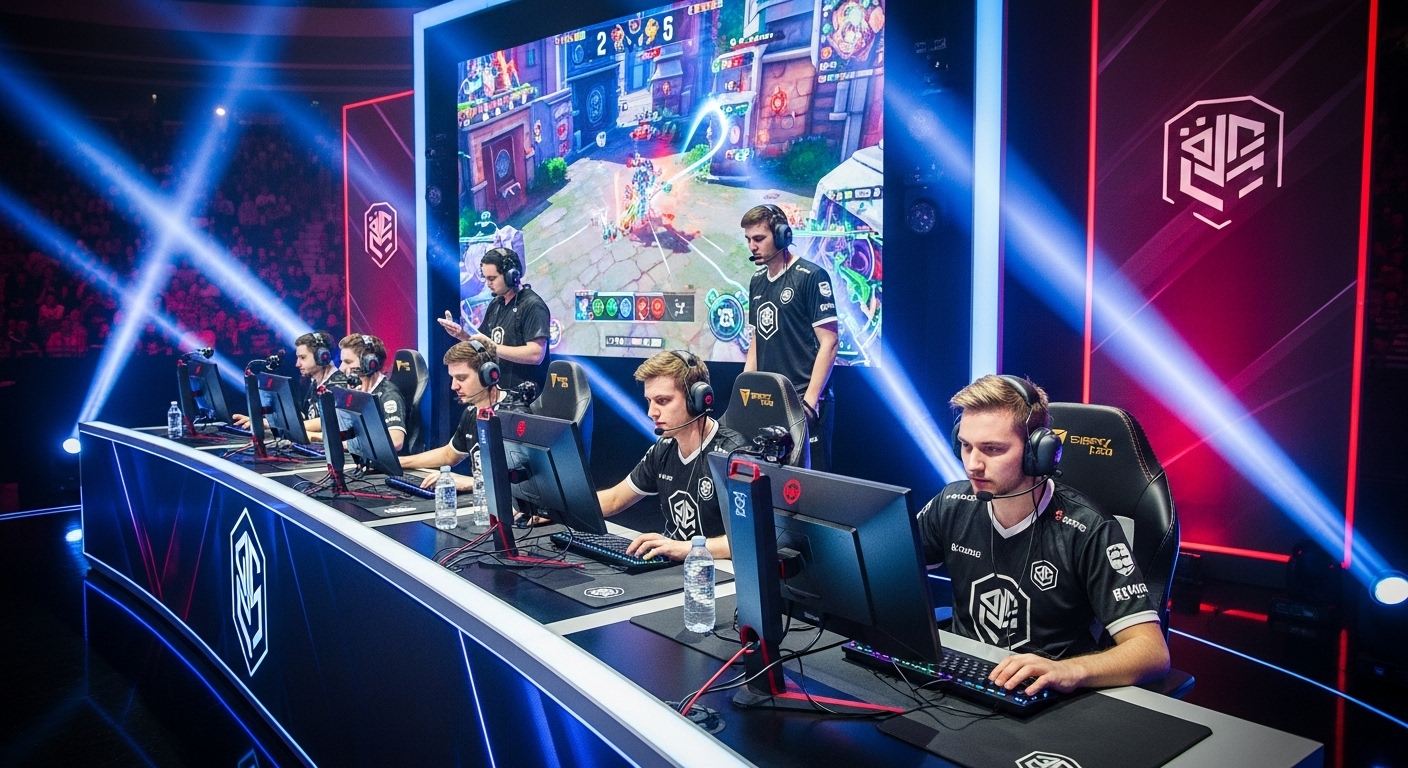
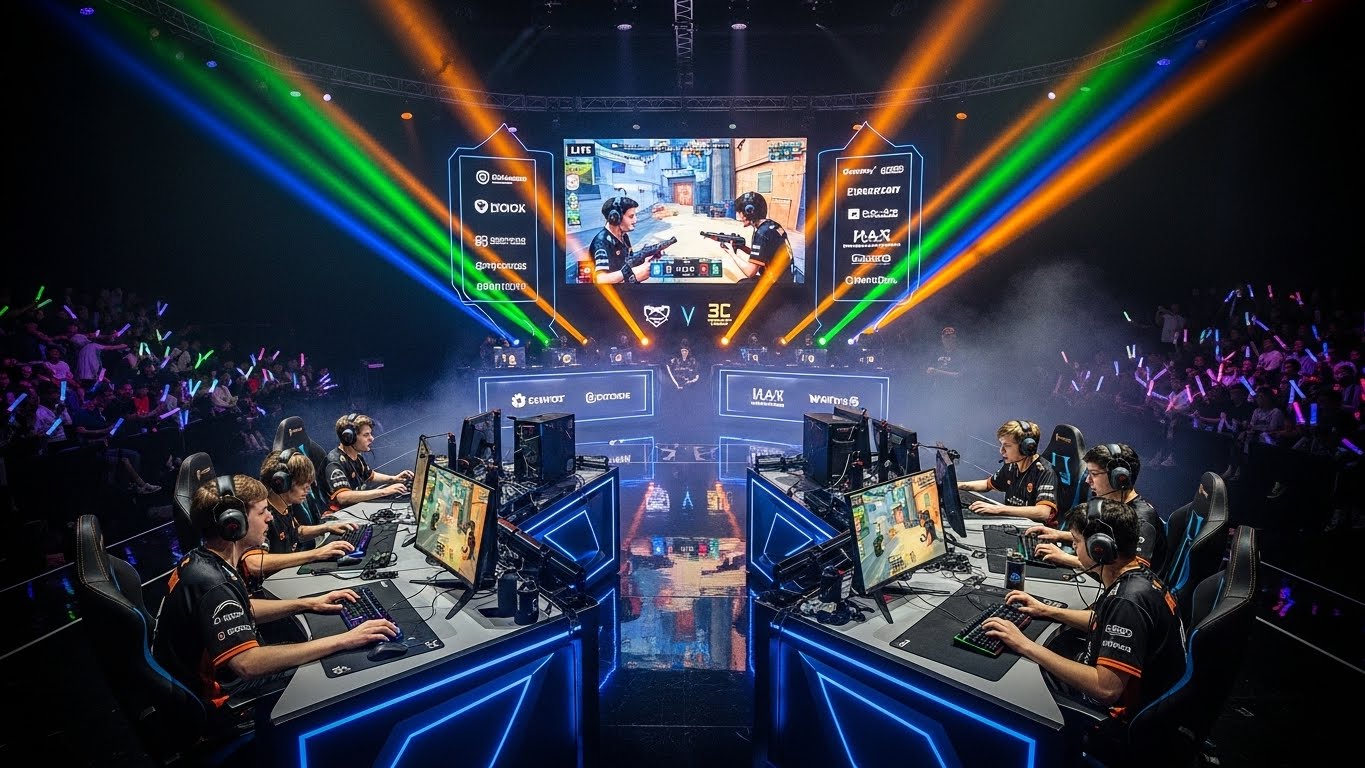
The rise of large-scale tournaments has helped legitimize esports in the eyes of the public. Events such as the League of Legends World Championship, Dota 2’s International, and the Fortnite World Cup offer massive prize pools and attract millions of viewers. These events are often held in stadiums with elaborate productions, akin to traditional sports finals. Broadcasting these tournaments to global audiences through streaming platforms ensures that esports fans can engage with the action from anywhere in the world. The spectacle and scale of these events highlight how esports has evolved from small competitions to mainstream entertainment.
Economic Impact and Industry Growth
Esports has grown into a multi-billion-dollar industry that impacts multiple sectors. Game developers, tournament organizers, sponsors, advertisers, media companies, and merchandising all contribute to the ecosystem. Cities and countries compete to host major tournaments, boosting tourism and local economies. Universities offer esports scholarships, and educational programs focus on game development, marketing, and event management. Corporate sponsorships from technology brands, energy drinks, and apparel companies are commonplace. This economic impact reflects the growing recognition of esports as a significant cultural and commercial force.
Challenges Facing the Esports Industry
Despite its rapid growth, esports faces several challenges. Player burnout is a major concern due to intense schedules, high pressure, and public scrutiny. The industry also contends with issues such as cheating, performance-enhancing substances, and inconsistent regulation across regions. Toxic behavior in online communities can affect both players and fans. Addressing these challenges requires structured governance, mental health support, and community management to ensure the long-term sustainability of esports.
Esports and Mainstream Culture
Esports is increasingly integrated into mainstream culture. Traditional sports teams invest in esports franchises, celebrities endorse tournaments, and major broadcasters cover esports events. The inclusion of esports in entertainment media, films, and documentaries has further increased public awareness. However, esports retains its unique identity, driven by digital innovation and interactive experiences. Unlike traditional sports, esports evolves rapidly, introducing new games, rules, and stars regularly, keeping audiences engaged and ensuring continued growth.
The Role of Streaming and Content Creation
Streaming platforms and content creators play a vital role in esports culture. Platforms allow players to broadcast live gameplay, tutorials, and behind-the-scenes content, creating direct interaction with fans. Content creators act as ambassadors for games, building loyal communities and expanding the reach of esports. This dynamic has democratized the industry, allowing anyone with talent, creativity, and personality to gain recognition and influence. The interplay between competitive gaming and entertainment has become a defining feature of modern esports.
Esports in Education
The influence of esports extends into education. Universities around the world offer esports programs, including scholarships for talented players. Academic courses focus on game design, digital marketing, event management, and esports business strategies. High schools are increasingly establishing esports clubs, fostering teamwork, strategic thinking, and leadership skills. By integrating esports into education, institutions recognize its potential as a tool for personal development and career opportunities, further legitimizing gaming as a professional pursuit.
Future Trends in Esports
The future of esports is promising and dynamic. Emerging technologies such as virtual reality and augmented reality could transform how games are played and experienced. Mobile gaming is expanding access to competitive play, especially in regions where PC and console gaming are less prevalent. Artificial intelligence may revolutionize training methods, analysis, and game design. Additionally, storytelling and player narratives will play an increasingly important role, engaging audiences through emotional connection as much as competitive action. The adaptability and innovation of esports ensure it will remain relevant for years to come.
Conclusion: Esports as a Cultural and Economic Force
Esports has come a long way from its humble beginnings in arcades and bedrooms. It is now a global phenomenon that combines competition, entertainment, technology, and community. Professional players inspire millions, tournaments captivate audiences, and the industry drives significant economic growth. Beyond gaming, esports is shaping culture, education, and business practices in profound ways. Its evolution demonstrates how digital innovation and human passion can create entirely new forms of engagement. Esports is more than just a game; it is a movement that redefines entertainment and competitive culture for a digital age.