Introduction: The Rise of a Digital Revolution
Esports, once considered a niche activity reserved for hobbyist gamers, has grown into a global cultural force that is reshaping entertainment, competition, and modern youth identity. It represents the convergence of technology, creativity, and athletic discipline, redefining what it means to be an athlete in the twenty-first century. As digital landscapes continue to evolve, esports has emerged as one of the most dynamic and influential industries, captivating millions of players, fans, and brands around the world. This article explores the journey of esports, its global significance, the skills and opportunities it creates, and the future it promises for generations to come.
The Early Roots of Competitive Gaming
Esports did not appear overnight. Its origins date back to the arcade era, when players gathered around machines to set high scores on games such as Pac-Man and Donkey Kong. As home consoles grew more accessible and personal computers became widespread, gaming communities formed around titles like Street Fighter, StarCraft, and Counter-Strike. Organized tournaments began to emerge, often hosted in small venues with limited audiences. However, even in these early years, the spark of competitive gaming was evident. Enthusiasts recognized the potential for gaming to become a structured, skill-based competition, and this foundation paved the way for the esports ecosystem we see today.
Global Expansion and Mainstream Acceptance
The turning point for esports came with the growth of high-speed internet, online multiplayer gaming, and digital streaming platforms. Suddenly, players could compete with others across the world, and fans could watch matches live from anywhere. This revolutionized the industry, transforming esports from a local hobby into a global entertainment phenomenon. Today, millions tune in to watch world championships, professional leagues, and international tournaments. Countries such as South Korea, China, and the United States have become major hubs of esports talent, infrastructure, and innovation. The mainstream acceptance of esports continues to rise each year as more viewers, sponsors, educators, and governments acknowledge its cultural and economic value.
Esports as a Professional Career
Gone are the days when gaming was dismissed as a distraction. Esports has created legitimate career paths that rival those of traditional sports. Professional players earn income through team salaries, tournament winnings, sponsorships, merchandise sales, and content creation. The most dedicated athletes train rigorously for eight to twelve hours a day, refining strategy, mechanics, communication, and reflexes. Beyond the players themselves, the industry offers opportunities in coaching, analytics, event production, broadcasting, marketing, game design, and team management. Esports has opened a world of professional avenues, proving that digital competition can be both rewarding and sustainable as a career.
The Skills and Discipline Behind Competitive Gaming
Esports requires a blend of physical, mental, and strategic skills that often rival traditional sports. Players must possess exceptional hand-eye coordination, quick reaction time, precise motor skills, and the ability to multitask under intense pressure. Many competitive games demand advanced strategic thinking, adaptability, and teamwork. In team-based titles, communication is critical, with players relying on clear decision-making and situational awareness. Esports athletes also develop discipline, resilience, emotional control, and problem-solving abilities. These skills extend far beyond gaming, helping players excel in academic, professional, and social environments.
Esports Communities and Cultural Influence
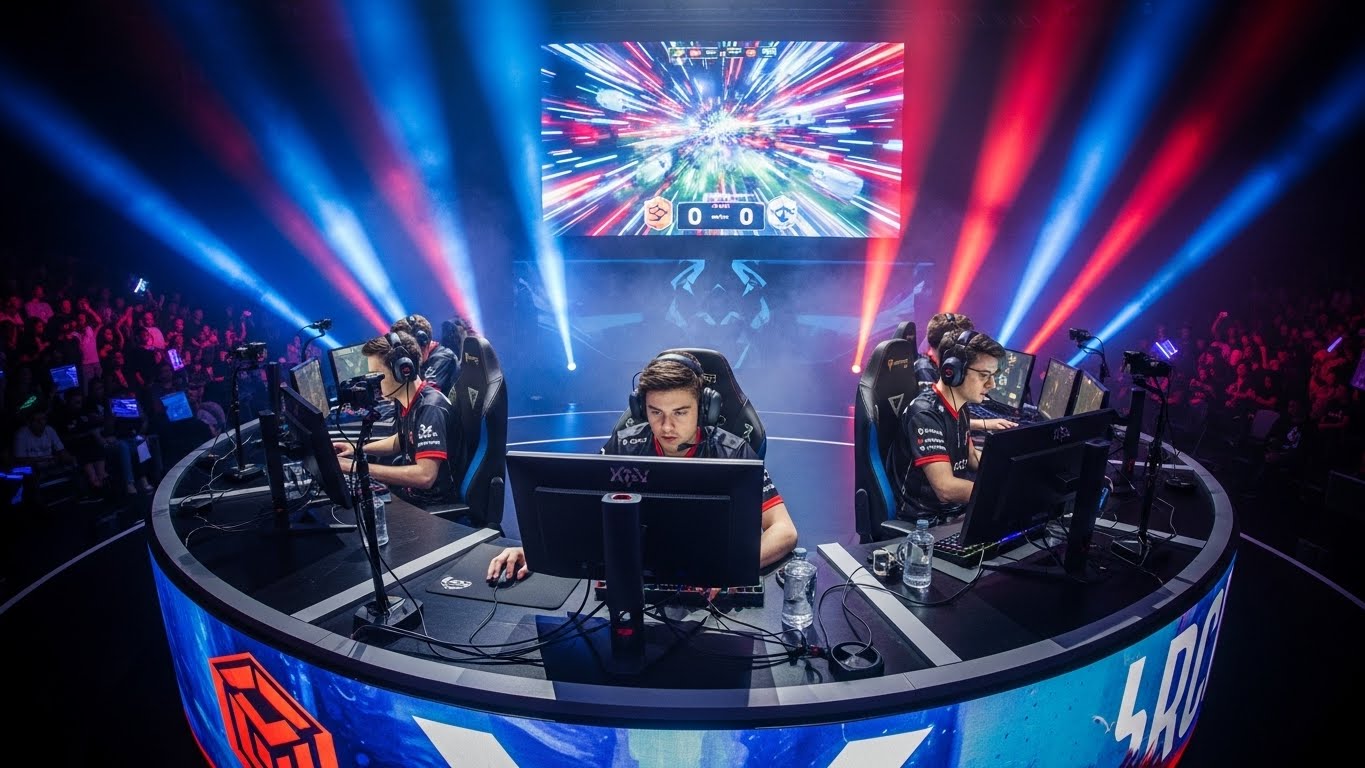
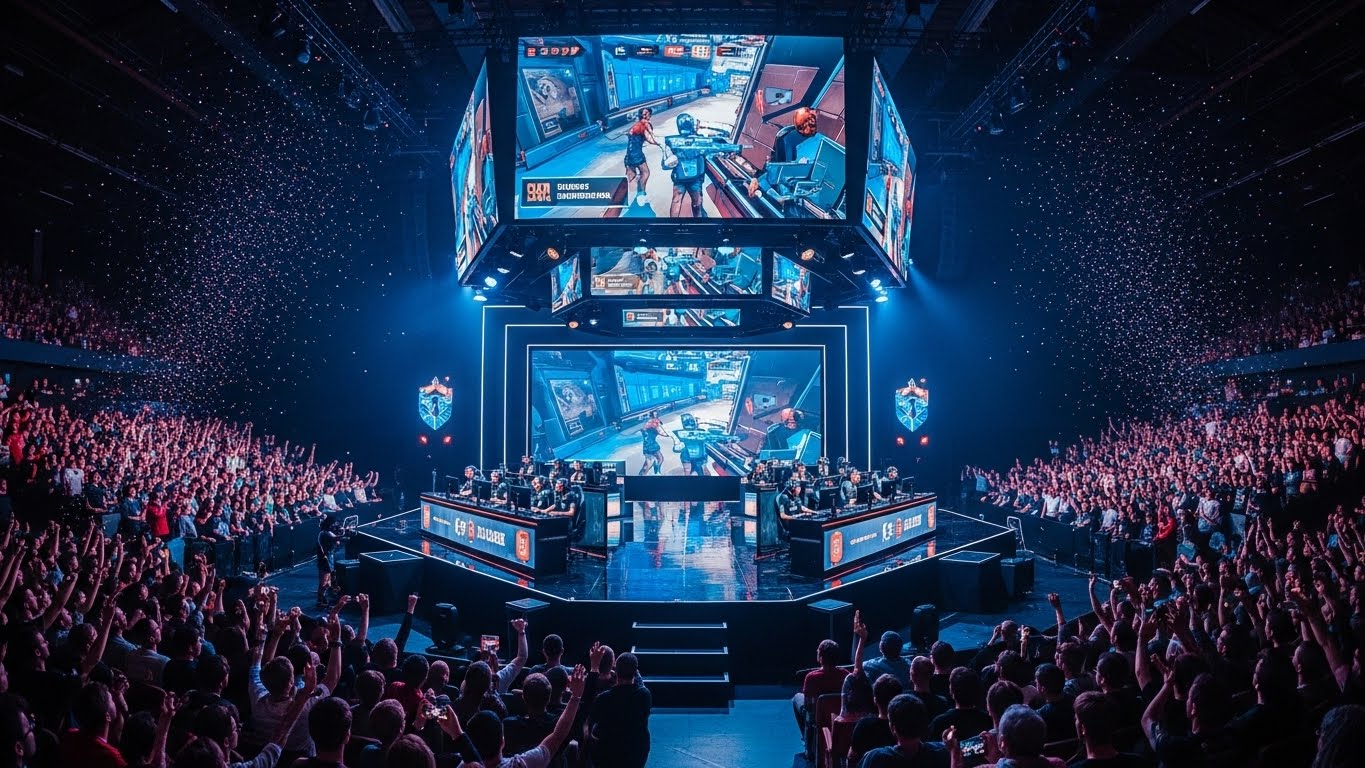
One of the strongest pillars of esports is its deeply connected community. Fans gather online and offline to celebrate their favorite players, teams, and games. Digital culture thrives through fan art, cosplay, discussion forums, and social media interactions. Live tournaments bring thousands of fans together, creating energetic atmospheres reminiscent of traditional sports events. What makes esports culture especially unique is its accessibility. Anyone with an internet connection can become part of the community, engage with players, and contribute to the growth of the scene. This inclusivity has made esports a cultural movement that influences trends in fashion, music, technology, and global youth identity.
Economic Growth and Global Investments
The esports industry has expanded into a multi-billion-dollar market driven by sponsorships, advertising, merchandise, ticket sales, and team investments. Major brands from various sectors, including technology, energy drinks, apparel, and automotive, invest heavily in esports marketing. Cities compete to host large-scale tournaments that bring tourism, business opportunities, and international exposure. Esports organizations build training facilities, scouting programs, and development academies similar to traditional sports teams. With increasing investment and infrastructure, esports continues to strengthen its position as one of the fastest-growing entertainment industries in the world.
Technology as the Backbone of Esports
Esports thrives on technological innovation. High-performance gaming equipment, advanced graphics, and low-latency internet make competitive play smooth and precise. Streaming platforms provide immersive viewing experiences, complete with real-time statistics, commentary, and audience interaction. Developers create balanced gameplay environments, anti-cheat systems, and sophisticated matchmaking algorithms to ensure fairness and competition integrity. Emerging technologies like virtual reality, augmented reality, and artificial intelligence promise even greater evolution. Technology not only makes esports possible but drives its continuous growth and reinvention.
Esports in Education and Youth Development
Educational institutions have begun recognizing the value of esports in developing important life skills. Schools and universities now offer esports clubs, competitive programs, and even scholarships for talented players. Students who participate in esports learn teamwork, communication, strategic thinking, and digital literacy. These programs also create pathways for careers in tech, business, and media. By incorporating esports into education, institutions encourage students to channel their passion productively and develop valuable skills in a structured environment.
Health and Wellness in the Esports World
As esports becomes more competitive, the importance of health and wellness has come to the forefront. Professional teams hire coaches, fitness trainers, nutritionists, and sports psychologists to maintain players’ physical and mental well-being. Long gaming sessions can lead to posture issues, eye strain, stress, and burnout if not properly managed. The industry is increasingly promoting balanced practice schedules, exercise routines, mental health support, and healthy ergonomics. Fostering a culture of wellness ensures longevity in esports careers and protects the overall health of players.
Challenges Facing the Esports Industry
Despite its rapid growth, esports faces several challenges. The lack of standardized global regulations can lead to inconsistencies in tournament rules, player contracts, and industry practices. Toxic behavior, cheating, and harassment within online gaming communities remain ongoing issues that require strong policies and community management. Gender disparity is also a concern, as female players often face barriers and discrimination in competitive environments. Additionally, some regions still hesitate to recognize esports as a legitimate sport, limiting access to funding and official support. Addressing these challenges will be crucial for sustaining the industry’s growth and ensuring a fair, inclusive future for all participants.
The Future of Esports: Boundless Potential
The future of esports is filled with endless possibilities. With the integration of cutting-edge technologies, the expansion of global tournaments, and the growing acceptance among educators and governments, esports is poised to become even more influential. It may soon enter more mainstream sporting events, gain increased institutional support, and continue blending entertainment with interactive experiences. As younger generations embrace digital environments, esports will likely remain a cornerstone of modern culture, offering opportunities for creativity, innovation, and competition.
Conclusion: A New Chapter in Human Competition
Esports has rewritten the rules of modern competition, proving that athletic excellence can thrive in digital arenas just as powerfully as on traditional fields. It represents passion, discipline, innovation, and global connectivity. From grassroots communities to professional leagues, esports has built a world where skill, technology, and creativity converge. As its influence continues to rise, esports stands as a monumental achievement of human ingenuity, carving out a new frontier in the global landscape of entertainment and competition.