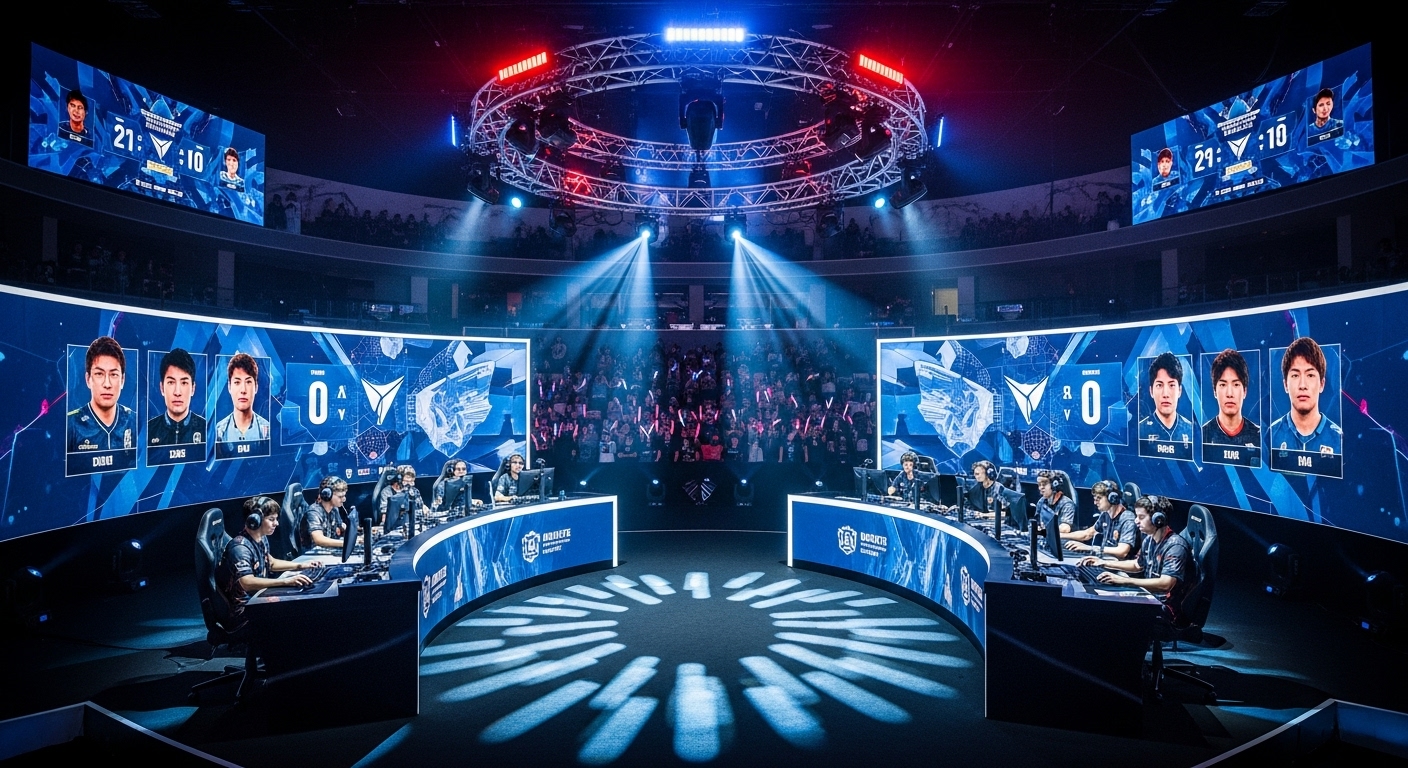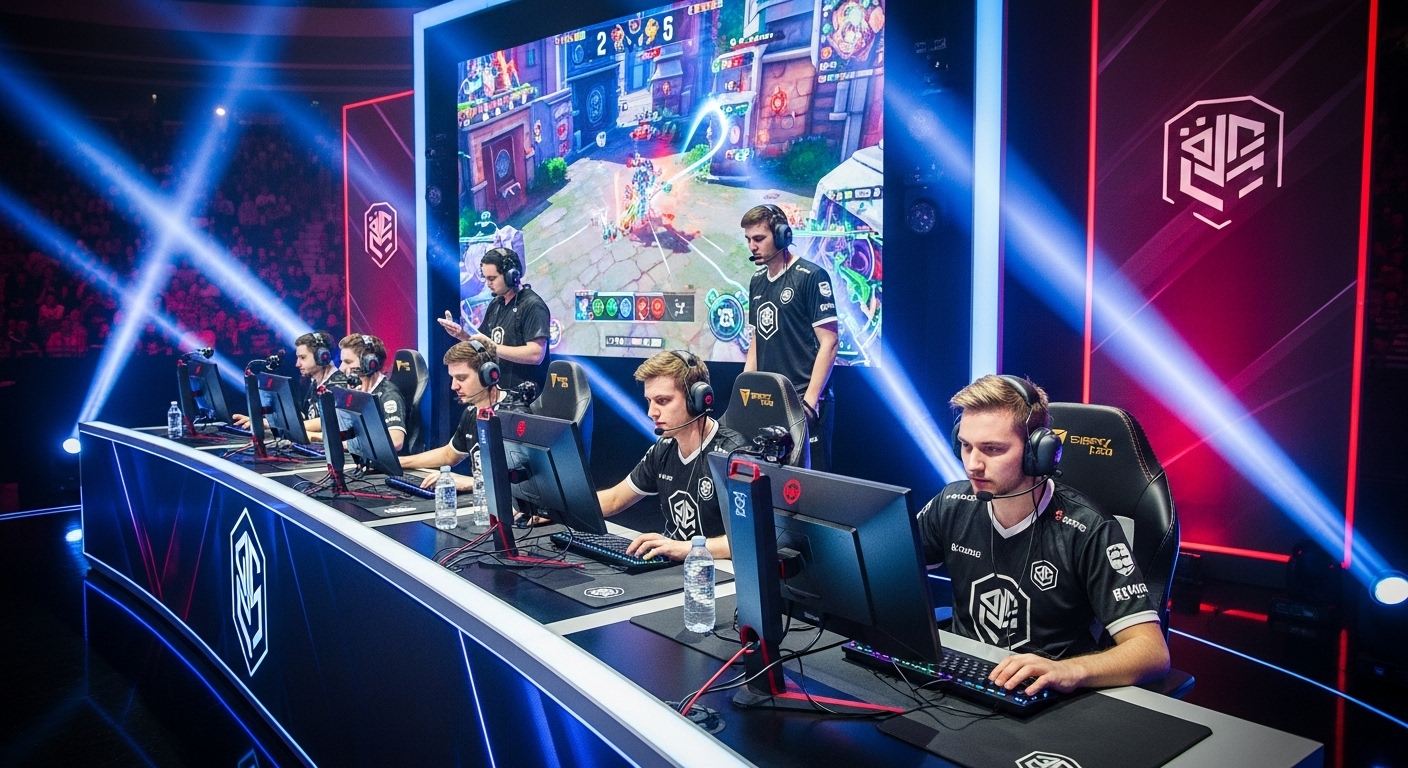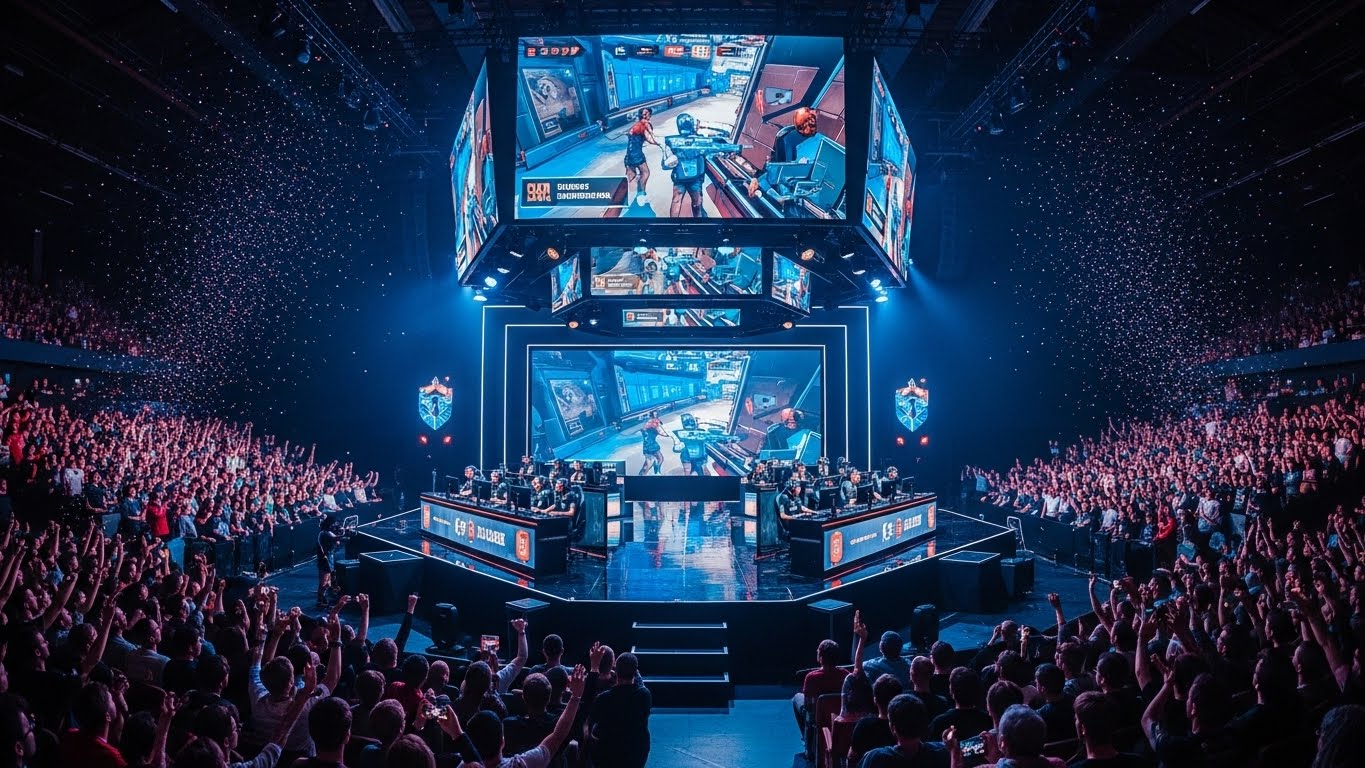
Esports has transformed the landscape of competition in the 21st century. Once dismissed as a casual pastime, competitive gaming has grown into a global industry, attracting millions of players, fans, and investors. From local tournaments to international championships, esports now rivals traditional sports in viewership, professionalism, and cultural influence. This digital phenomenon is not just about winning matches; it embodies strategy, teamwork, skill, and mental resilience. Its growth highlights the intersection of technology, culture, and human ambition, redefining what it means to be an athlete in a virtual world.
The Early Days of Competitive Gaming
The history of esports dates back several decades, with the earliest competitions taking place in arcades and universities. Players initially competed for high scores or local recognition rather than financial gain or fame. Classic games like Space Invaders, Pac-Man, and early console titles provided the first platforms for organized competition. The rise of local area networks in the 1990s allowed players to connect over longer distances, giving birth to the first multiplayer tournaments. Games like StarCraft and Counter-Strike became staples of competitive gaming, paving the way for structured leagues and international competitions. These humble beginnings demonstrated the human desire for challenge, mastery, and recognition through play.
The Professionalization of Esports
The shift from casual gaming to professional esports marked a turning point in the industry. Players began dedicating extensive hours to practice, strategize, and study opponents. Professional organizations emerged, providing coaching, analysis, and management support. Sponsorships, salaries, and prize pools became standard, allowing players to pursue esports as a full-time career. Modern tournaments now feature highly organized structures with qualifiers, group stages, and international finals. This professionalization elevated esports to a legitimate and respected field, showcasing that competitive gaming requires dedication, discipline, and skill comparable to traditional athletics.
Skills That Define an Esports Athlete
Success in esports requires a combination of cognitive, technical, and interpersonal skills. Players must have exceptional reflexes, hand-eye coordination, and game-specific knowledge. Strategic thinking and adaptability are crucial, as matches often demand split-second decisions under intense pressure. Team-based games rely heavily on communication, trust, and coordination, while individual games require self-discipline and independent problem-solving. Mental endurance is essential, as tournaments can be mentally taxing and emotionally charged. These skills underscore the depth and complexity of esports, proving that it is much more than mere entertainment.
The Psychological Demands of Competitive Gaming
Esports is not only physically and mentally demanding but also psychologically challenging. Players face constant pressure from fans, sponsors, and personal expectations. High-stakes competitions can generate stress, anxiety, and emotional fatigue. Maintaining focus and resilience is critical to consistent performance. Recognizing these challenges, many professional organizations have incorporated mental health support, counseling, and structured routines to ensure players’ well-being. The psychological dimension of esports highlights the human element behind digital competition, emphasizing that mental strength is as important as technical skill.
Esports as a Cultural Phenomenon
Beyond competition, esports has become a powerful cultural movement. Fans actively engage with the industry through streaming platforms, social media, and fan communities. Viewers not only watch games but also analyze strategies, create content, and celebrate achievements, forming tight-knit communities around shared passions. Esports culture influences language, fashion, music, and online trends, reflecting the values and creativity of digital natives. International events foster a sense of identity and belonging, connecting people across borders and backgrounds. The cultural impact of esports demonstrates that gaming is both a social and artistic phenomenon.
The Role of Technology in Esports Growth
Technology is the backbone of esports. High-performance hardware, stable internet connectivity, and advanced game design enable fair, fast, and immersive competition. Streaming technology allows global audiences to watch matches in real-time, while advanced analytics provide insights for players, coaches, and fans. Developers continually update games to maintain balance, fairness, and engagement. Emerging technologies such as virtual reality, augmented reality, and AI-driven gameplay have the potential to further revolutionize esports, enhancing immersion and strategic depth. The continuous interplay between technology and esports ensures that the field remains dynamic and innovative.
Economic Impact of the Esports Industry
Esports has become a significant economic force. Revenue streams include tournament prize pools, sponsorships, advertising, merchandise, and media rights. Professional teams operate as businesses with branding, marketing, and fan engagement strategies. Major events stimulate local economies, create employment opportunities, and drive growth in related industries such as streaming, media production, and game development. The industry’s financial success highlights esports’ viability as a long-term career path and reinforces its influence on global markets. Economic growth demonstrates that esports is not merely entertainment but a sustainable, high-impact sector.
Esports and Education
Esports is increasingly being integrated into educational programs, offering both academic and personal development benefits. Schools and universities host competitive teams, providing structured environments for learning strategic thinking, teamwork, and leadership. Participation in esports promotes digital literacy, critical thinking, and problem-solving skills. Some institutions even incorporate esports into technology, business, and media studies, linking gaming with practical career skills. These educational initiatives challenge outdated notions of gaming and demonstrate that esports can serve as a platform for skill development and career preparation.
Health and Lifestyle Balance in Esports
Despite its digital nature, esports requires careful attention to physical and mental health. Long practice sessions can lead to strain, fatigue, and injuries if not managed properly. Professional organizations now integrate fitness routines, proper ergonomics, and nutrition plans to optimize performance and longevity. Sleep and mental well-being are equally emphasized, as recovery is critical for cognitive function and emotional stability. Maintaining a balanced lifestyle ensures that esports athletes can perform at their peak and sustain long-term careers. This holistic approach highlights that competitive gaming demands both mental acuity and physical care.
Global Reach and International Competition
Esports is a global phenomenon, connecting players and audiences worldwide. International tournaments showcase diverse strategies, playstyles, and cultural approaches to gaming. Players often represent countries or regions, fostering pride and recognition. These competitions encourage cultural exchange, collaboration, and mutual respect. Global connectivity allows esports to transcend physical boundaries, creating a shared platform for skill, entertainment, and social interaction. The international scope of esports demonstrates its ability to unite communities and build global networks around a shared passion.
Challenges Facing the Esports Ecosystem
Despite its growth, esports faces several challenges. Issues such as player burnout, fair competition, and ethical governance must be addressed to maintain credibility. Rapid expansion and commercial pressures create a delicate balance between profit and player welfare. Ensuring diversity and inclusivity within esports is also essential for long-term sustainability. Addressing these challenges proactively is critical to preserving the integrity, professionalism, and cultural value of esports. How the industry navigates these issues will determine its trajectory for decades to come.
The Future of Esports
The future of esports promises continued growth, technological innovation, and cultural integration. Emerging technologies, including cloud gaming, artificial intelligence, and virtual reality, will redefine how games are played and experienced. Mobile gaming and accessible platforms will expand participation to new audiences. The mainstream recognition of esports is likely to increase, with stronger ties to education, traditional media, and professional sports organizations. As esports continues to evolve, it will shape the way people compete, connect, and engage with digital culture, solidifying its position as a central component of the entertainment landscape.
Conclusion: Esports as the Digital Sport of the Future
Esports exemplifies the convergence of technology, skill, and human ambition. It challenges traditional definitions of sports and competition, demonstrating that mental acuity, strategy, and teamwork are as important as physical prowess. From local gatherings to global tournaments, esports has grown into a professional, cultural, and economic powerhouse. It inspires new generations of players, fosters global communities, and drives innovation across multiple industries. As esports continues to evolve, it will remain a defining symbol of digital competition, showcasing the limitless potential of human talent in a connected world.