Esports is no longer a fringe activity, confined to a small group of passionate gamers. Over the past decade, competitive gaming has evolved into a global phenomenon that rivals traditional sports in terms of popularity, viewership, and economic impact. With massive tournaments, professional players, and a fanbase spanning continents, esports is reshaping how we perceive competition and entertainment in the digital age. In this blog post, we’ll explore the rise of esports, its cultural significance, and what the future holds for this rapidly growing industry.
What is Esports?
Esports, short for electronic sports, refers to organized, multiplayer video game competitions, often involving professional players or teams. Unlike casual gaming, where players engage for entertainment, esports is a serious, competitive activity with structured tournaments, leagues, and rankings. The games at the heart of esports range from strategy-based titles like League of Legends and Dota 2 to first-person shooters like Counter-Strike: Global Offensive and Overwatch. These games require exceptional skill, strategy, teamwork, and coordination, similar to traditional sports like soccer or basketball.
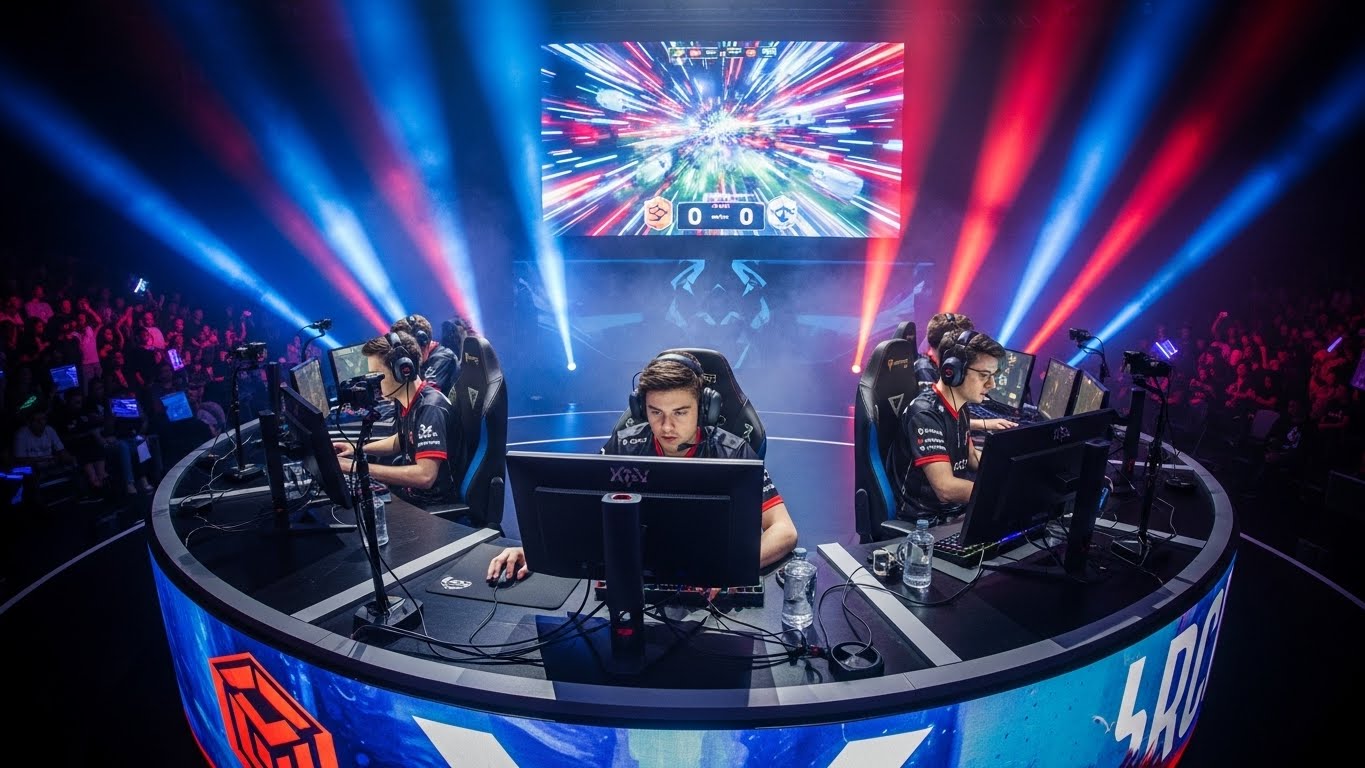
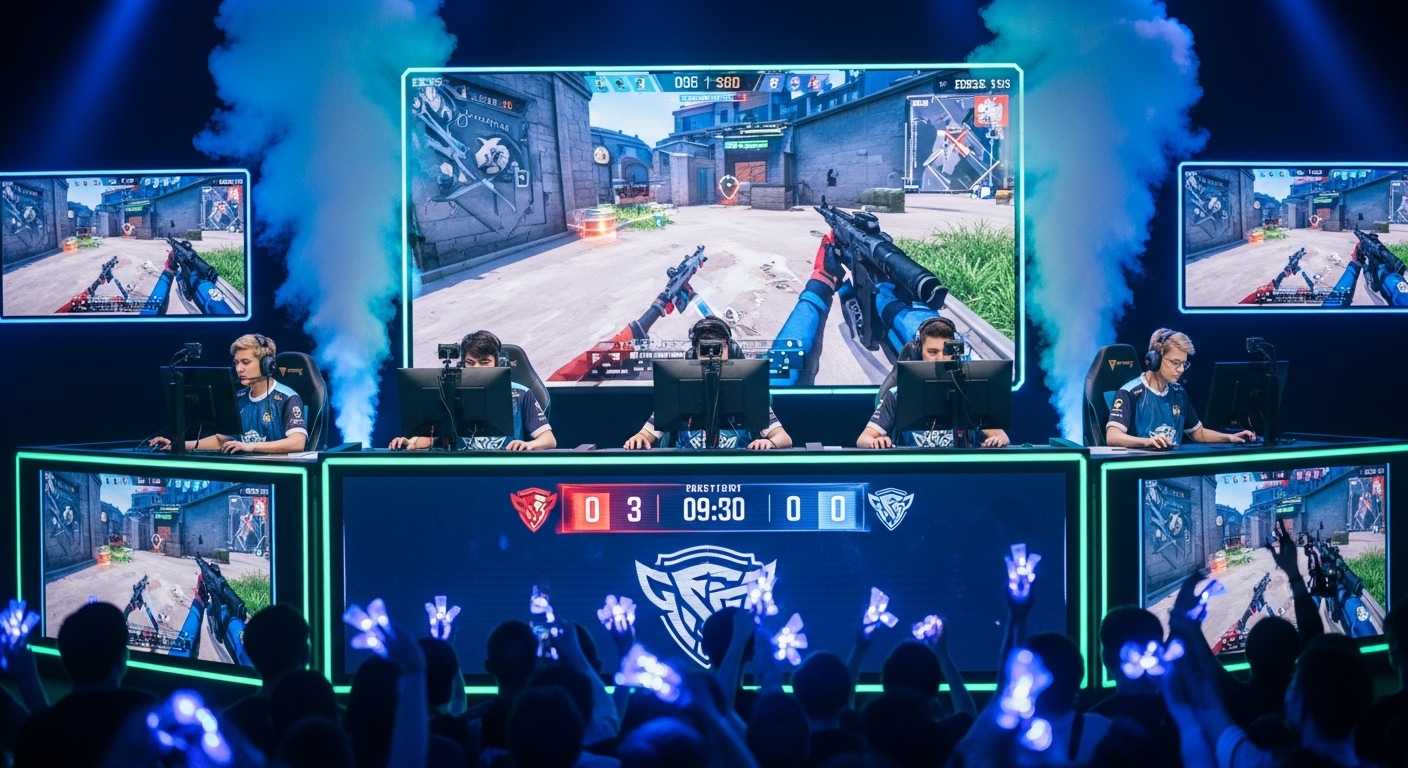
Esports tournaments can attract thousands of spectators, both physically in arenas and virtually through streaming platforms. Some competitions offer multi-million-dollar prize pools, elevating the stakes and turning skilled players into global celebrities.
The Growth of Esports: A Global Revolution
The rise of esports has been nothing short of explosive. What started as small-scale competitions and informal LAN parties has transformed into a multi-billion-dollar industry. Esports’ rapid growth can be attributed to several key factors:
- Increased Accessibility: The internet and advances in technology have made esports more accessible than ever. Online platforms like Twitch, YouTube Gaming, and Facebook Gaming allow players from all corners of the world to compete against each other in real-time. Fans can watch their favorite players and teams live, making esports a truly global spectacle.
- Professionalization: As esports has become more competitive, it has mirrored traditional sports in terms of organization and structure. Professional teams are now common, with players signing contracts, receiving coaching, and training rigorously for major tournaments. Esports teams are sponsored by major brands, and players often earn salaries, prize money, and sponsorship deals, just like athletes in other sports.
- Corporate Investment: Esports has attracted significant investment from major companies. Tech giants like Intel, Razer, and NVIDIA are heavily involved in sponsoring events, while consumer brands such as Coca-Cola and Red Bull are also making their presence felt. These investments are helping to propel esports into the mainstream, making it a major player in the entertainment industry.
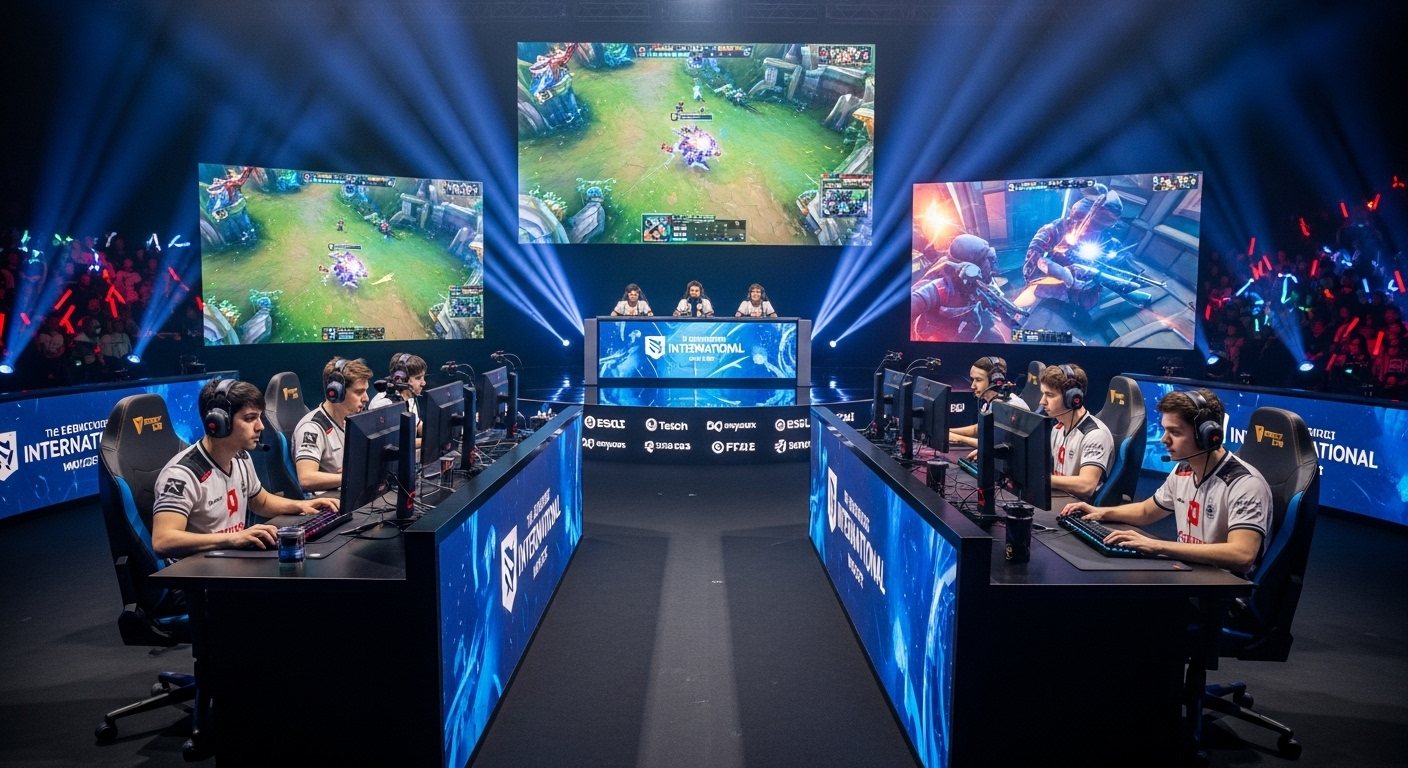
- Media Coverage: Esports has also benefited from increased media coverage. Major tournaments, such as The International (Dota 2) and the League of Legends World Championship, are broadcast to millions of viewers worldwide. As esports events gain more exposure on television and streaming platforms, they are attracting more sponsorships and becoming a staple in the entertainment world.
The Esports Ecosystem: More Than Just Players
While players are the stars of the esports world, there is an entire ecosystem that makes these competitions possible. From coaches to analysts, broadcasters to event organizers, the esports industry is vast and multifaceted. Here are some of the key players behind the scenes:
- Esports Players: Professional esports players are highly skilled individuals who dedicate countless hours to mastering their games. These players train just as hard as athletes in traditional sports, studying strategies, improving reaction times, and working on teamwork. The best players often become household names, attracting sponsorships and legions of fans.
- Coaches and Analysts: Just like traditional sports teams, esports teams rely on coaches to develop strategies, analyze opponents, and improve team performance. Coaches work closely with players to fine-tune gameplay and help them adapt to different challenges. Analysts, on the other hand, study game footage and provide valuable insights to enhance the team’s performance.
- Casters and Commentators: Esports has its own set of commentators, known as casters, who provide live commentary during tournaments. These individuals bring the game to life for viewers, explaining the action, providing insights, and adding excitement to the experience. Their role is similar to that of sports broadcasters who narrate live events in traditional sports.
- Event Organizers: Behind every major esports tournament is a team of event organizers who manage the logistics, schedule matches, and coordinate the various moving parts of a competition. These professionals are responsible for creating an immersive and exciting experience for both players and fans.
Esports Fans: A Global Community
One of the most unique aspects of esports is its fanbase. Unlike traditional sports, where fans are typically confined to specific regions or teams, esports fans come from all over the world. The community that surrounds esports is passionate, engaged, and highly interactive.
- Interactive Fan Engagement: In traditional sports, fans watch from the sidelines. In esports, fans can interact with players, coaches, and commentators in real-time. Through platforms like Twitch and Twitter, fans can engage in live chats, ask questions, and share their thoughts about the match. This creates a deeper sense of connection between players and their audience.
- Fan Communities: Esports fans often form tight-knit communities around their favorite games and players. These communities can be found on social media, dedicated forums, and fan websites, where fans share content, discuss strategies, and support their teams. Some fans even organize their own tournaments and events, further cementing the sense of community.
- Global Audience: Esports is a truly global phenomenon. Fans from different continents come together to support their favorite teams and players. With the rise of live streaming, esports events can be broadcast to millions of viewers simultaneously, allowing fans from all corners of the globe to join in the excitement.
- Cultural Significance: Esports has grown beyond just gaming—it has become a cultural touchstone. Major tournaments are now major events on the global calendar, attracting attention from all walks of life. The gaming community has created its own lexicon, style, and culture, influencing everything from fashion to language to entertainment.
The Future of Esports: What’s on the Horizon?
Esports shows no signs of slowing down. As technology advances and the digital landscape continues to evolve, the future of esports looks bright and full of potential. Here are some of the trends and developments that could shape the future of competitive gaming:
- Virtual Reality (VR) and Augmented Reality (AR): As VR and AR technologies continue to improve, they could revolutionize the way esports is played and viewed. Imagine competing in a fully immersive VR environment or watching a tournament where you can virtually step into the action. These technologies have the potential to offer a completely new level of interaction for both players and spectators.
- Esports in Education: With the growing recognition of esports as a legitimate sport, educational institutions are starting to offer esports programs. Some universities even offer scholarships for talented gamers. As esports continues to gain acceptance, it could become an integral part of school and university sports programs, much like traditional athletics.
- Mainstream Acceptance: As esports grows in popularity, it’s likely that it will receive even more mainstream recognition. The inclusion of esports in global events like the Asian Games and potential future inclusion in the Olympic Games indicates that esports could become a fixture in the sports world. As public perception shifts, esports could be viewed as a mainstream activity on par with traditional sports.
- Cross-Platform Play: As gaming technology continues to advance, more games are allowing cross-platform play, meaning players on different consoles or PCs can compete against each other. This trend could significantly impact the way esports tournaments are organized, as it will allow for greater participation and diversity among players.
- Sponsorships and Investment: As more big-name brands enter the esports space, we can expect sponsorships, advertising, and investment in esports to increase. This will not only increase the prize pools and financial backing for teams but will also help elevate esports to new levels of professionalism and reach.
Conclusion: The Evolution of Competitive Gaming
Esports has undoubtedly evolved from a niche activity to a major force in the entertainment industry. With its growing global fanbase, increasing professionalization, and expanding presence in mainstream media, esports is poised to continue shaping the future of competition. As technology advances and new opportunities arise, esports will only grow in scope and influence, offering a new frontier for athletes, fans, and industries alike.
Esports represents more than just digital competition—it’s a new era of sports that blends technology, entertainment, and global connectivity. Whether you’re a player, a fan, or someone interested in the future of sports, one thing is clear: the world of esports is just getting started.