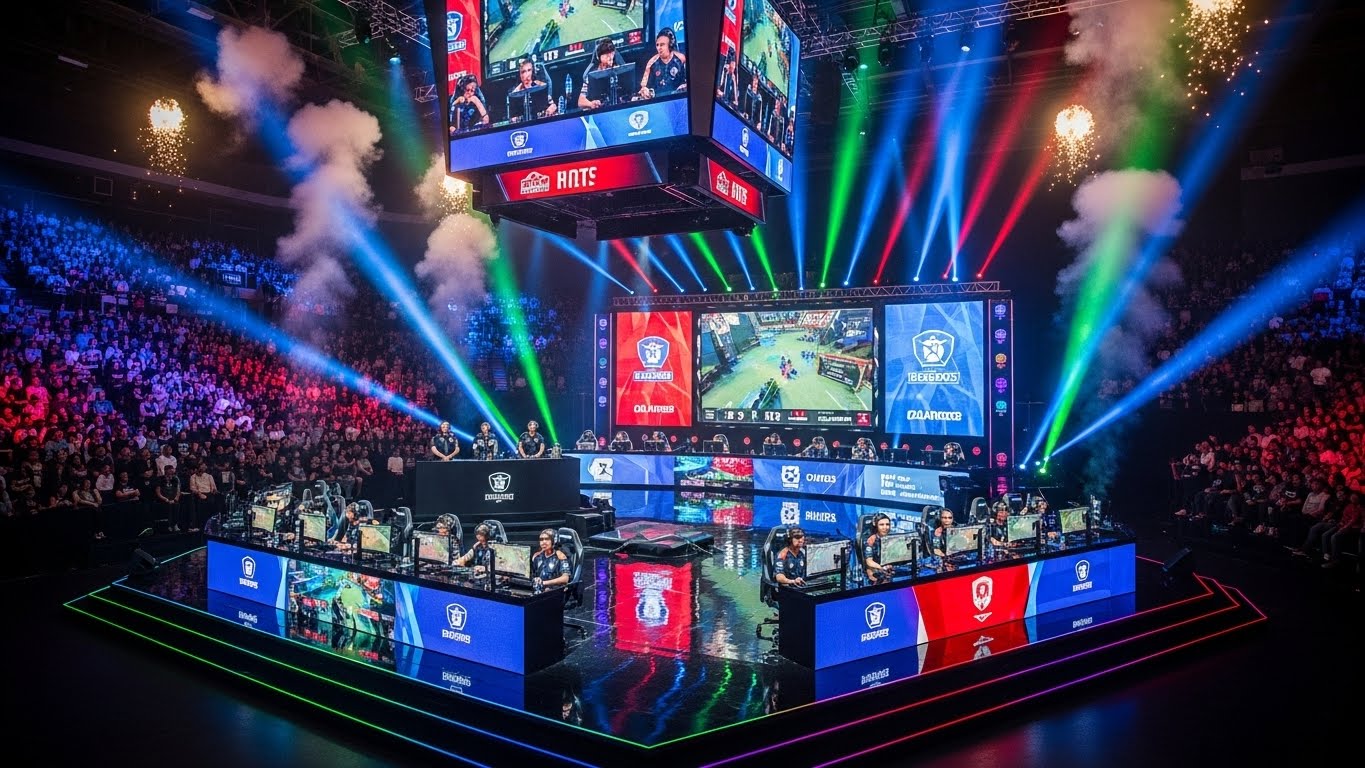
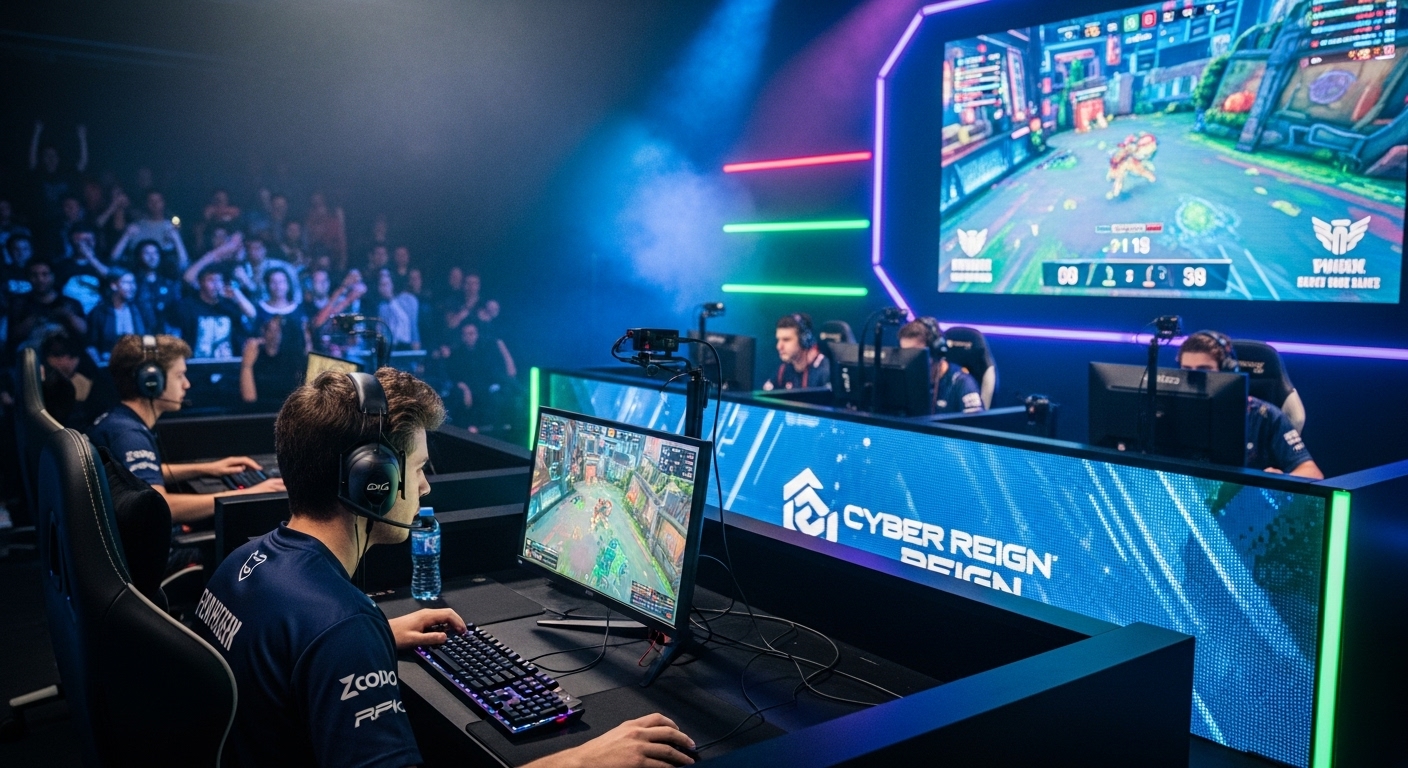
Esports, short for electronic sports, has evolved from a niche hobby into a global phenomenon, capturing the attention of millions worldwide. What was once seen as a pastime for gamers has now become a multi-billion-dollar industry, with professional leagues, massive tournaments, and lucrative sponsorships. In just a few years, esports has firmly established itself as one of the most exciting and fast-growing sectors in entertainment. But what exactly is driving this explosive growth, and how did we get here? In this blog, we’ll explore the rise of esports, its impact on the gaming and entertainment industries, and what the future holds for this rapidly evolving world.
The Origins of Esports: From Arcades to Online Tournaments
The roots of esports can be traced back to the early days of video gaming. In the 1970s and 1980s, arcade games like Pong and Space Invaders captured the public’s imagination, and informal competitions began to emerge. However, it wasn’t until the 1990s that esports as we know it today began to take shape.
The Early Tournaments
One of the first major esports events was the Red Annihilation tournament held in 1997, where players competed in Quake, one of the earliest first-person shooters. This event not only marked the birth of competitive gaming but also saw the first significant prize pool—$20,000—paving the way for future tournaments with even larger rewards.
In the years that followed, esports continued to grow in popularity with games like StarCraft, Warcraft III, and Counter-Strike, which became staples in the competitive gaming scene. As the internet expanded, online multiplayer games allowed players to compete against each other across the globe, opening up new opportunities for professional gaming and tournaments.
The Rise of Streaming Platforms: Connecting Gamers Worldwide
The next key milestone in the growth of esports was the rise of streaming platforms. In the mid-2000s, services like Twitch revolutionized the way people consumed gaming content. Instead of simply watching gameplay videos or tutorials, viewers could now watch live streams of their favorite players and teams in action, turning esports into a spectator sport.
The Twitch Effect
Launched in 2011, Twitch became the dominant platform for streaming live video game content, with its focus on gaming and esports attracting millions of viewers every day. The rise of Twitch and other platforms like YouTube Gaming created a new type of content creator—the professional gamer who could stream their gameplay, build a fanbase, and even earn money through subscriptions, donations, and sponsorships.
Streaming allowed esports to grow beyond the confines of traditional gaming tournaments and opened up a global audience. Fans could watch major tournaments in real-time, engage with players and commentators, and even participate in live chats. This instant access to esports content helped propel the industry into the mainstream.
The Esports Ecosystem: Teams, Leagues, and Tournaments
Esports has become a fully developed ecosystem, with professional teams, dedicated leagues, and major tournaments. The industry has matured to the point where esports athletes are recognized as professionals, earning salaries, sponsorships, and prize money.
Professional Teams and Athletes
Just like traditional sports, esports now has a robust system of professional teams and players. Organizations like Cloud9, Team Liquid, and Fnatic have become household names in the esports world, fielding teams that compete in popular games like League of Legends, Dota 2, Overwatch, and Counter-Strike: Global Offensive (CS: GO). These teams are composed of highly skilled players who train rigorously, practice for hours each day, and compete in tournaments for cash prizes and global recognition.
Esports athletes are no longer just hobbyists; they are full-time professionals who are often sponsored by major companies in the gaming industry, ranging from hardware manufacturers like Logitech and Razer to energy drink brands like Red Bull and Monster. The financial backing from these sponsors, along with the prize pools of major tournaments, allows players to earn significant incomes.
Leagues and Competitive Structures
One of the key components of esports is its league system. Games like League of Legends and Overwatch have professional leagues that are structured similarly to traditional sports leagues. The League of Legends World Championship, for example, is one of the most prestigious events in esports, drawing millions of viewers and offering multi-million-dollar prize pools.
The Overwatch League (OWL), which launched in 2018, operates similarly to the NBA or NFL, with franchises based in cities around the world. Teams compete in regular-season matches before progressing to playoffs, where the best teams battle for the championship title.
In addition to these prominent leagues, there are numerous tournaments organized for a variety of esports titles. The International (TI), held annually for Dota 2, is one of the largest esports tournaments in terms of prize money, often surpassing $30 million. This scale of investment and prize money has turned esports into a career opportunity for talented players.
The Global Appeal of Esports: From Asia to the West
One of the reasons esports has exploded in popularity is its universal appeal. Although gaming has traditionally been associated with Western and North American cultures, esports is a global phenomenon, particularly in Asia.
The Dominance of Asia in Esports
Countries like South Korea, China, and Japan have long been at the forefront of the esports revolution. South Korea, in particular, has played a pivotal role in shaping the esports landscape. Games like StarCraft and League of Legends have achieved cult status in the country, with dedicated esports arenas and government support for the industry. South Korea’s Proleague for StarCraft and League of Legends was one of the first major esports leagues to bring professional gaming into the mainstream, and many of the best players in the world have hailed from South Korea.
China has also emerged as a major esports hub, with large-scale tournaments and a rapidly growing fan base. The Chinese government has recognized esports as an official sport, and the country is home to some of the largest esports organizations and tournaments globally.
Western Growth and Cultural Integration
Esports’ growth has not been confined to Asia, however. In the West, countries like the United States, Canada, and Europe have embraced esports with open arms. Major brands and sponsors are increasingly targeting esports fans, and the gaming industry has become a key driver of cultural influence in the West.
The West’s embrace of esports was solidified with events like the League of Legends World Championships, which consistently attract huge viewership numbers across North America and Europe. In fact, in 2020, the League of Legends finals attracted an astounding 3.8 million concurrent viewers, cementing its place as a mainstream sporting event.
The Economics of Esports: Sponsorships, Media Rights, and Merchandise
The financial success of esports has been remarkable. The industry is projected to surpass $1.6 billion in revenue by 2023, driven by sponsorships, advertising, media rights, and merchandise sales. With millions of viewers tuning in for major events, esports is now a lucrative business, and companies are eager to get in on the action.
Sponsorships and Advertising
Sponsorships are the lifeblood of the esports industry. Brands like Coca-Cola, Intel, and Nike are increasingly investing in esports, seeing it as a way to reach young, tech-savvy audiences. These sponsorships not only support tournaments and teams but also drive product placement and brand recognition. Additionally, in-game advertising is becoming more prevalent, with brands integrating their products into popular games to reach players directly.
Media Rights and Broadcasting
Media rights are another major revenue stream for esports. Broadcasting deals with platforms like Twitch, YouTube, and even traditional TV networks allow tournaments to be streamed to a global audience. The growing interest in esports has led to partnerships with mainstream media companies such as ESPN, which has aired esports events on television.
Merchandising and Licensing
Just like traditional sports, esports teams and players have their own merchandise, ranging from jerseys to branded gaming peripherals. Fans are eager to support their favorite teams by purchasing these items, contributing to the overall economic success of the industry. Licensing deals also allow game developers and teams to expand their reach through branded in-game content, such as skins, emotes, and other digital items.
The Future of Esports: Challenges and Opportunities
As esports continues to grow, it faces a number of challenges, including player burnout, issues around gender representation, and the integration of new technologies like virtual reality (VR) and augmented reality (AR). Despite these hurdles, the future of esports remains bright.
The Integration of VR and AR
One of the most exciting opportunities for the future of esports is the integration of virtual and augmented reality. While VR gaming is still in its early stages, it has the potential to create more immersive and dynamic esports experiences. Tournaments could one day take place in virtual arenas, allowing fans to attend events without leaving their homes. Similarly, AR could be used to enhance in-game experiences and bring new layers of strategy and excitement to competitive gaming.
The Continued Growth of the Global Market
As esports expands into new regions, the potential for growth is enormous. The rise of mobile gaming, especially in regions like Southeast Asia and India, will continue to drive esports into new markets. The expansion of internet infrastructure in developing countries will also allow more people to participate in and watch esports.
Conclusion: A New Era in Entertainment
Esports has come a long way since its humble beginnings in arcades and local tournaments. Today, it’s a global industry, with professional athletes, massive prize pools, and millions of fans. The rise of streaming platforms, the growth of sponsorships, and the integration of new technologies are all factors that have propelled esports into the mainstream. As the industry continues to evolve, one thing is clear: esports is no longer just a game; it’s a major player in the entertainment world, and its future looks brighter than ever.