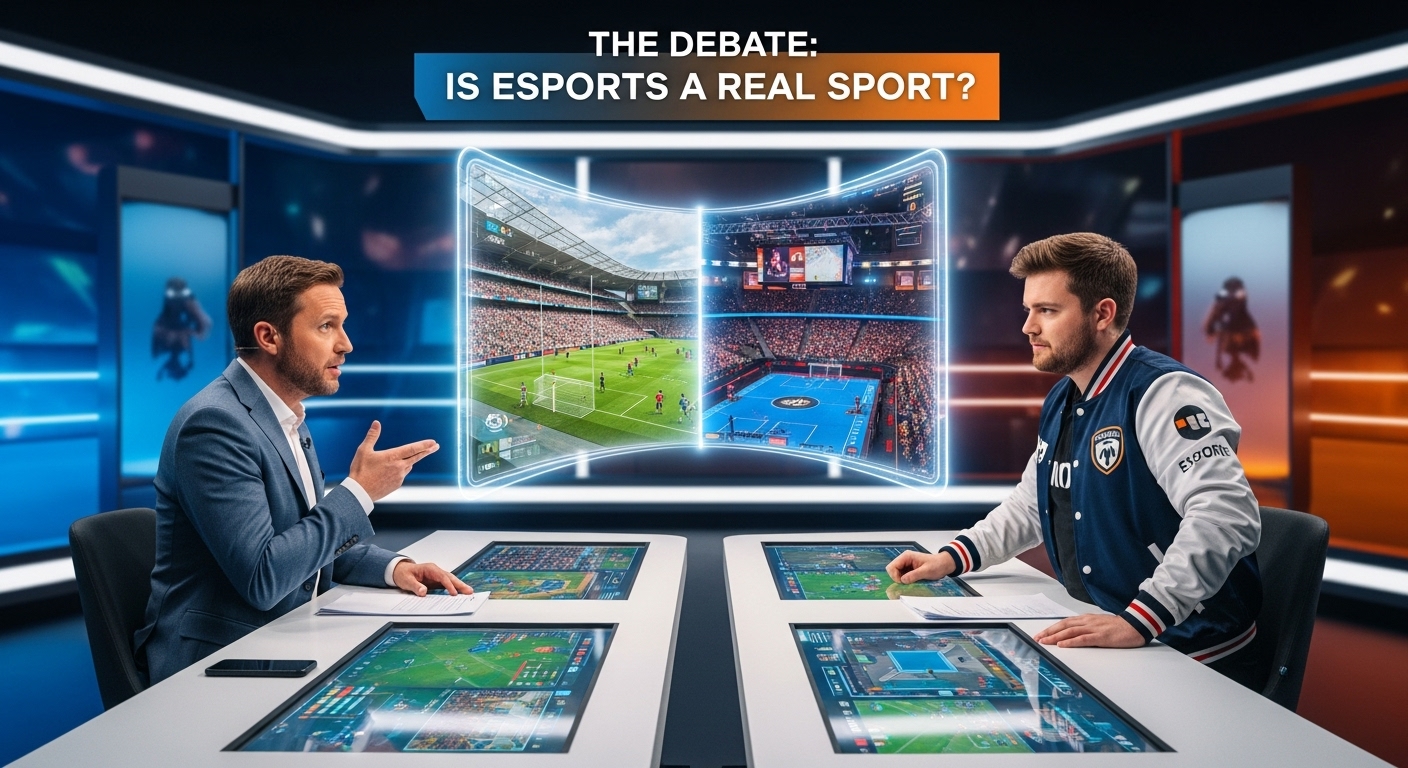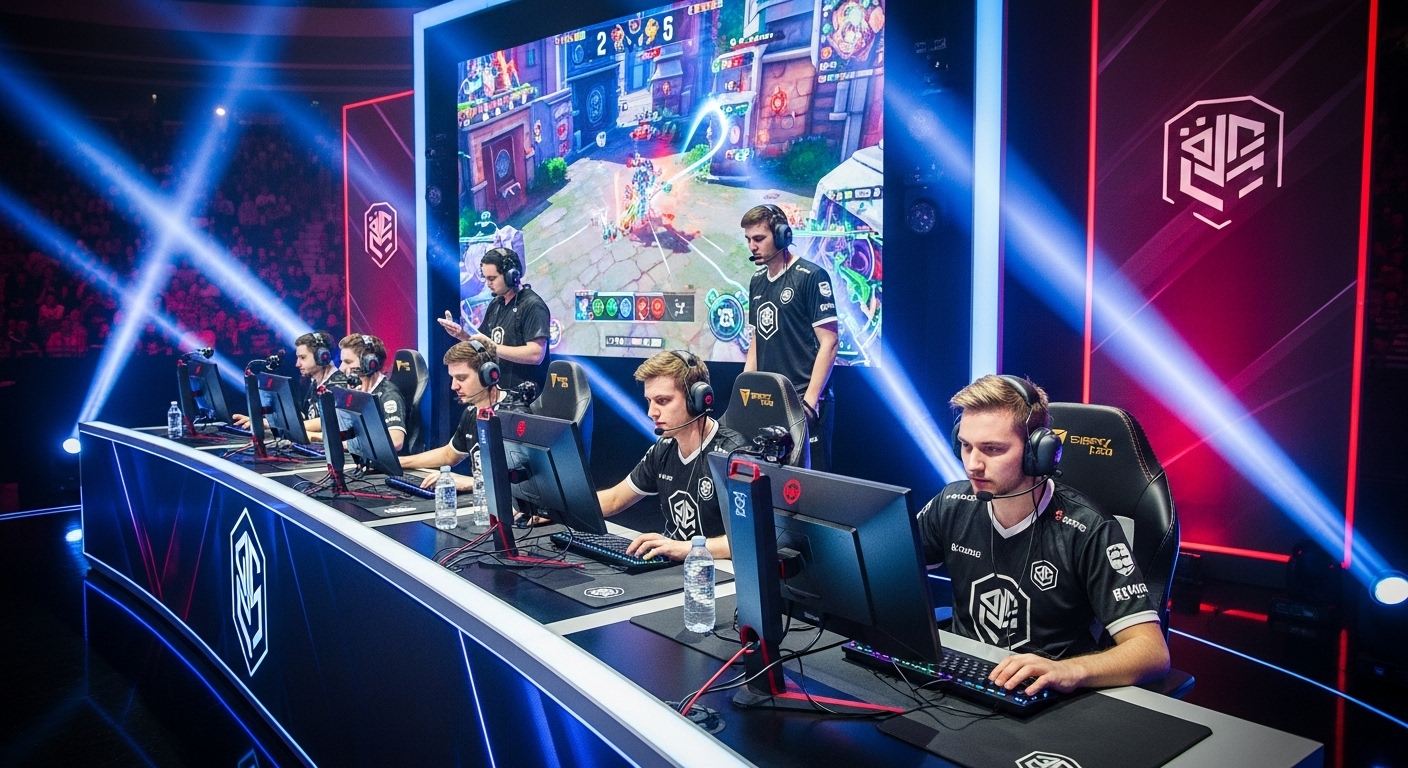
In the modern digital world, few industries have grown as rapidly and dynamically as esports. What was once considered a niche hobby for gamers has now transformed into a global phenomenon, attracting millions of viewers, huge sponsorship deals, and professional players who train and compete at the highest levels. Esports, or electronic sports, represents the intersection of technology, entertainment, and competition. This fast-growing field has redefined how people perceive gaming and has positioned itself as one of the most influential sectors in modern entertainment.
The Birth of Esports
The concept of competitive gaming can be traced back to the early 1970s when the first video game tournaments were held in universities and arcades. Games like Space Invaders and Pac-Man sparked the first wave of competitive excitement among players. However, at that time, these events were small-scale and lacked the technological infrastructure that modern esports enjoy today.
The real growth of esports began in the 1990s with the rise of personal computers and the internet. Games like StarCraft, Counter-Strike, and Quake helped shape the foundations of organized gaming tournaments. The ability to connect players from different locations through local area networks (LAN) and eventually through the internet opened up new possibilities. By the early 2000s, professional gaming leagues began to emerge, offering structured competitions and prize pools that started to attract serious competitors.
Fast forward to the present day, and esports has evolved into a billion-dollar industry, with professional organizations, sponsors, and massive audiences across the world. The journey from arcade competitions to global tournaments streamed to millions of viewers highlights the incredible transformation of esports over the past few decades.
The Global Expansion of Esports
Esports has grown beyond being just a form of entertainment; it has become a cultural movement. Major international tournaments like The International for Dota 2, the League of Legends World Championship, and the Fortnite World Cup draw audiences comparable to traditional sports events. The global reach of esports has expanded thanks to streaming platforms, gaming communities, and social media, which have brought players and fans together in unprecedented ways.
The popularity of esports is not limited to one region or demographic. In Asia, countries like South Korea and China have long embraced esports as part of mainstream culture. South Korea, in particular, has played a pivotal role in the development of esports, with professional players achieving celebrity status and gaming being recognized as a legitimate career. In North America and Europe, esports has gained significant traction through university programs, sponsorship deals, and the inclusion of gaming in entertainment networks.
Today, esports is recognized as an international sporting event. Several countries have started to integrate esports into educational programs, acknowledging the cognitive and strategic skills required to excel in competitive gaming. This global recognition has solidified esports’ position as a legitimate competitive discipline that transcends geographical and cultural barriers.
The Role of Technology in Esports Growth
Technology has played a crucial role in the evolution and success of esports. High-performance gaming equipment, advanced graphics, and powerful processing systems have made gaming more immersive and competitive. The introduction of high-speed internet and streaming technologies has further enhanced the accessibility and reach of esports.
Modern games are built with features that cater to competitive play. Spectator modes, live scoreboards, and real-time commentary features have made it easier for fans to engage with esports tournaments. Moreover, streaming services have given esports players a platform to connect directly with their audience, helping them build personal brands and attract sponsorships.
Virtual reality (VR) and augmented reality (AR) are emerging technologies that promise to reshape the future of esports by offering new levels of immersion and interaction. These innovations will likely redefine how fans experience tournaments and how players compete in the digital arena.
The Rise of Professional Esports Players
The rise of professional esports players has transformed gaming into a viable and respected career. Esports athletes train for hours each day, honing their skills, studying strategies, and working as part of a team. Just like traditional sports athletes, they must maintain physical and mental discipline, often working with coaches, analysts, and psychologists to perform at their peak.
Top players in popular games such as League of Legends, Counter-Strike, Valorant, and Fortnite earn substantial incomes through tournament winnings, team salaries, and sponsorship deals. Some players have achieved celebrity status, amassing huge followings on social media and becoming influential figures in the gaming community.
The career path of an esports player, however, is not without challenges. The intense competition and mental pressure can lead to burnout, and the short lifespan of professional gaming careers makes long-term success difficult to sustain. Nevertheless, the rise of esports has created numerous opportunities beyond playing, including careers in coaching, broadcasting, event management, and game analysis.
The Economic Power of Esports
Esports is not just about competition—it is also a thriving business. The industry generates billions of dollars annually through sponsorships, advertising, merchandise, and media rights. Major brands from outside the gaming industry have also begun to invest in esports, recognizing its massive potential to reach younger audiences.
Event organizers, gaming publishers, and streaming platforms have built ecosystems that benefit from the esports boom. Companies are hosting large-scale tournaments in arenas that sell out within hours, demonstrating the enormous fan interest in live esports events. Additionally, digital platforms allow millions of viewers worldwide to watch tournaments from the comfort of their homes, making esports a truly global form of entertainment.
The rise of esports has also fueled demand for specialized infrastructure such as gaming arenas, training facilities, and production studios. These investments are creating new jobs and contributing to the growth of the digital economy. As esports continues to expand, its influence on the global economy is expected to grow even further.
Esports and Education
One of the most interesting developments in recent years is the integration of esports into educational programs. Universities around the world are offering scholarships to talented gamers, recognizing the teamwork, strategy, and problem-solving skills that esports can develop. Academic programs focused on game design, esports management, and broadcasting are preparing students for careers in this fast-growing industry.
Esports also fosters valuable soft skills such as leadership, communication, and adaptability. Many educational institutions now see competitive gaming as an effective way to engage students in technology, digital literacy, and creative thinking. This shift toward legitimizing esports as an educational tool reflects the broader acceptance of gaming as an important cultural and professional phenomenon.
The Esports Fan Community
The success of esports wouldn’t be possible without its passionate fan base. Millions of fans worldwide tune in to watch their favorite teams and players compete in tournaments. Online communities, social media platforms, and streaming services have created a space where fans can interact, discuss strategies, and share their enthusiasm for the games they love.
Esports fans are known for their deep engagement. They don’t just watch tournaments—they participate in discussions, follow player statistics, and even practice the games themselves. This level of involvement has created a vibrant culture around esports, where fans and players form close-knit communities that transcend traditional boundaries of geography and language.
Esports events often feature live audiences that rival those of traditional sporting events. The energy, excitement, and sense of community at these events highlight how esports has evolved into a shared cultural experience for millions of people.
Challenges Facing the Esports Industry
Despite its incredible growth, the esports industry faces several challenges. One major issue is maintaining competitive integrity. As with any professional competition, esports must contend with concerns about cheating, match-fixing, and performance-enhancing software. Maintaining fair play is essential for the credibility of the industry.
Another challenge is the physical and mental health of players. Long hours of practice, high levels of stress, and a sedentary lifestyle can lead to health issues such as fatigue and burnout. The industry is beginning to address these concerns by promoting healthy habits and providing better support for players.
Additionally, the esports industry must navigate issues related to diversity, inclusion, and accessibility. While gaming is a global activity that welcomes players of all backgrounds, there is still progress to be made in ensuring equal opportunities for everyone within the esports ecosystem.
The Future of Esports
The future of esports looks incredibly bright. As technology continues to evolve, new forms of gaming and competition will emerge, offering even more immersive and engaging experiences. The integration of technologies like virtual reality, artificial intelligence, and blockchain will open up new possibilities for how tournaments are played, viewed, and monetized.
Moreover, esports is expected to become even more mainstream, with increasing collaboration between traditional sports organizations and esports leagues. Some traditional sports teams are already investing in esports divisions, recognizing the potential for crossover audiences and new revenue streams.
As esports continues to grow, it will not only shape the future of gaming but also influence culture, entertainment, and education. The rise of esports is a testament to the power of technology, creativity, and community in driving innovation and change.
Conclusion
Esports has come a long way from its humble beginnings to becoming one of the most exciting and influential industries in the world. It represents the perfect blend of technology, competition, and human creativity. As the industry continues to expand, it will bring new opportunities for players, fans, and businesses alike.
The rise of esports is not just about gaming—it is about the evolution of digital culture, the power of community, and the limitless potential of technology. The future of esports is only just beginning, and as technology continues to advance, so too will the ways we play, compete, and connect in this ever-evolving digital arena.