Introduction: A Digital Revolution in Competition
In recent years, competition has taken a bold new form. Esports, short for electronic sports, has transformed what it means to be an athlete, a fan, and even a spectator. Once dismissed as mere entertainment for hobbyists, esports has grown into a global industry worth billions of dollars, drawing millions of viewers and creating professional careers for gamers worldwide. With large-scale tournaments, streaming platforms, and sponsorship deals, esports has moved from basements and internet cafes into stadiums and mainstream culture. The rise of esports illustrates how technology, skill, and human ambition can redefine competition in the modern era.
The Origins of Competitive Gaming
Esports did not appear overnight. Its roots trace back to the 1980s and 1990s, when gamers competed in arcade tournaments and local competitions. Games such as Street Fighter, Super Mario Kart, and StarCraft attracted small but passionate audiences. These early competitions were informal, often organized by enthusiasts who wanted to test their skills against others. The introduction of personal computers, high-speed internet, and multiplayer gaming in the 2000s transformed competitive play. Players could now challenge opponents from across the globe in real time, and the gaming community expanded rapidly. This shift laid the foundation for professional esports as a structured and commercially viable industry.
The Professionalization of Esports
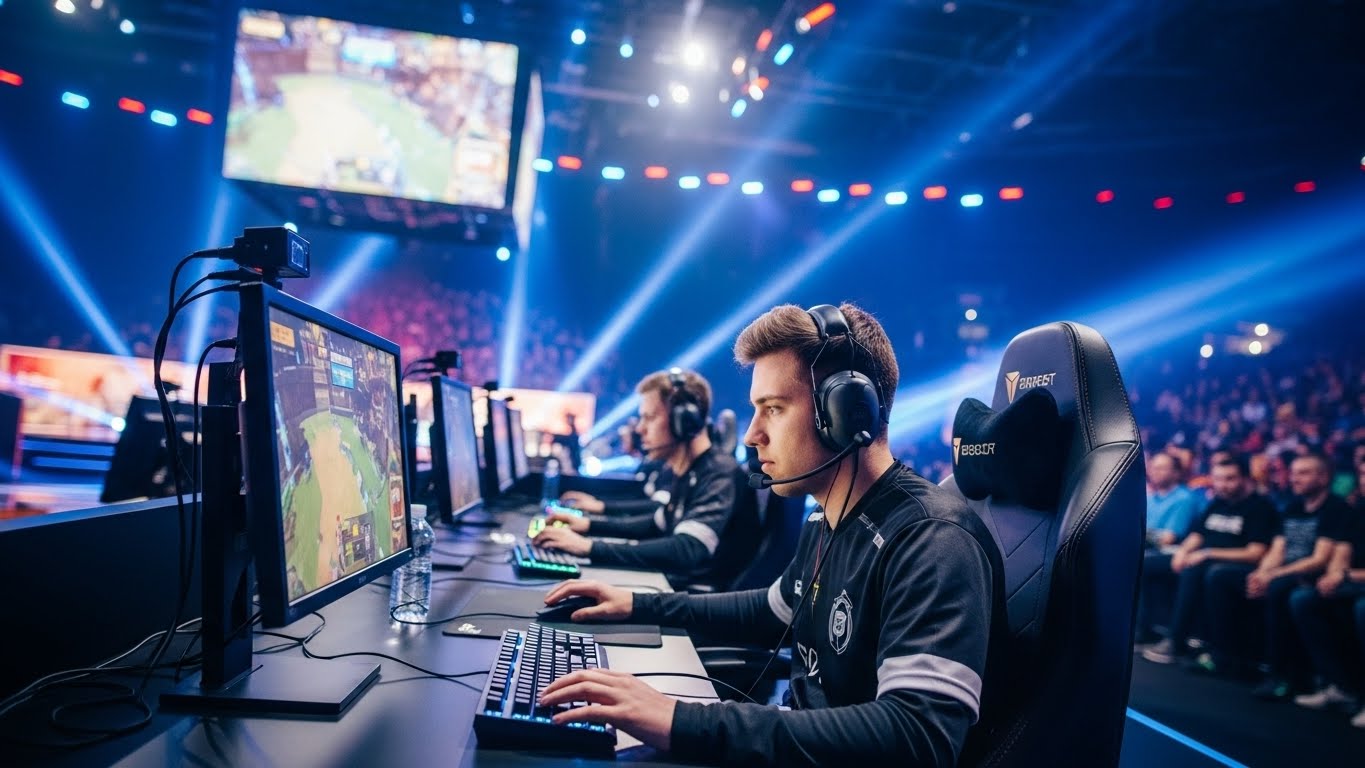
As competitive gaming grew, so did its level of professionalism. Modern esports teams operate like traditional sports franchises. Players train for several hours a day, develop strategies with coaches, and study opponents meticulously. Training facilities, often called gaming houses, provide a controlled environment for practice, collaboration, and focus. Games such as League of Legends, Dota 2, and Counter-Strike: Global Offensive have established professional leagues and tournaments, some with prize pools exceeding millions of dollars. Esports players are no longer casual gamers; they are professional athletes, dedicating themselves to perfecting their craft in ways comparable to footballers, basketball players, or tennis professionals.
The Rise of the Esports Athlete
The esports athlete is a new kind of competitor. Success depends not only on quick reflexes but also on strategic thinking, teamwork, and mental stamina. Players must make split-second decisions, communicate seamlessly with teammates, and adapt to rapidly changing game scenarios. Maintaining mental health, physical fitness, and focus is essential to avoid burnout and sustain long careers. Many professional players employ sports psychologists, nutritionists, and physical trainers to optimize their performance. This evolution has transformed gaming into a respected profession, showcasing the dedication and discipline required to succeed at the highest levels.
The Spectator Experience
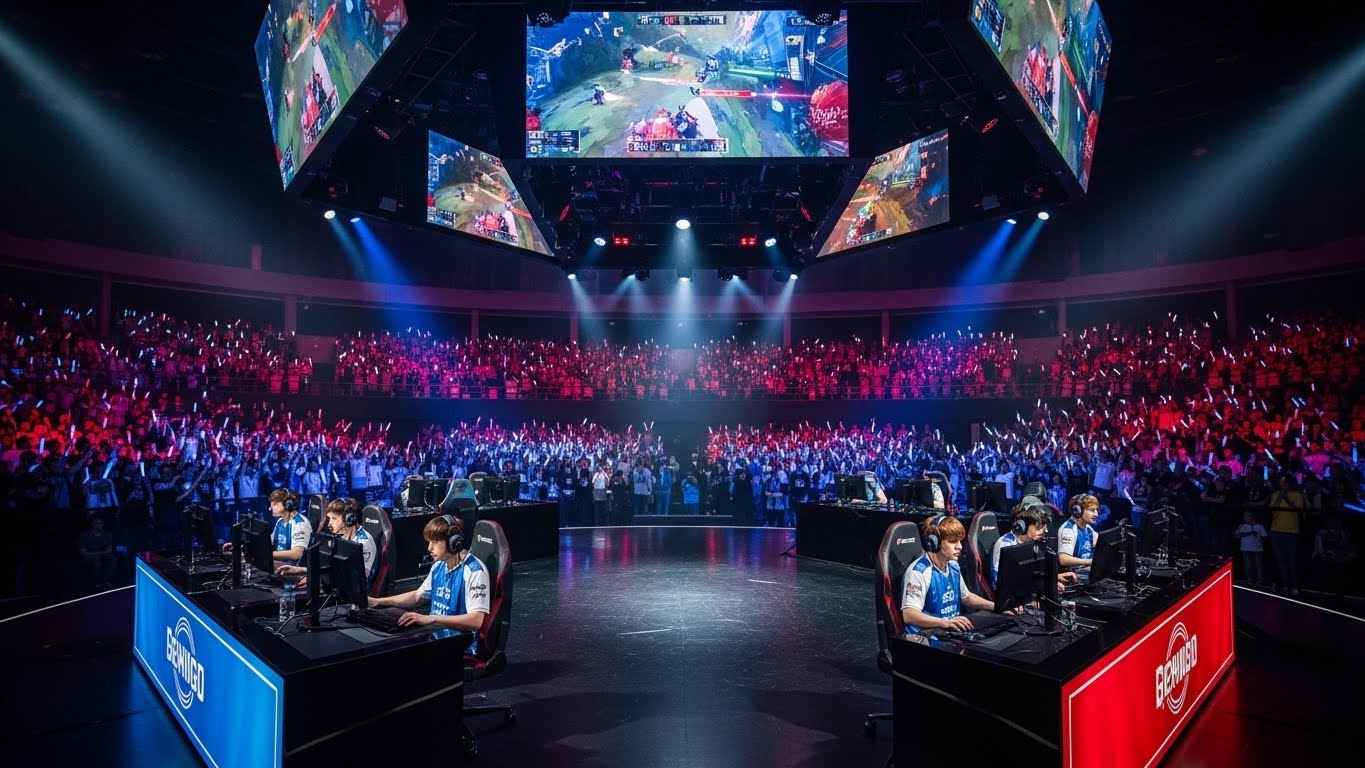
Esports has revolutionized the way audiences experience competition. Unlike traditional sports, esports thrives on digital platforms, where viewers can watch live matches from anywhere in the world. Streaming services provide professional commentary, instant replays, and detailed analysis of gameplay, making it accessible and entertaining. Fans interact with commentators, share opinions with other viewers, and even influence the online experience through donations or votes. Spectators are active participants in the gaming culture, creating vibrant communities around teams, players, and tournaments. The spectator experience in esports is immersive, interactive, and deeply connected to global fandoms.
Mental and Physical Demands of Competitive Gaming
Competitive gaming requires an exceptional combination of cognitive and physical skills. Players must process information quickly, anticipate opponents’ strategies, and make precise movements under intense pressure. In team-based games, communication and coordination are critical, as one mistake can determine the outcome of a match. Physical health also matters; players must maintain stamina, manage stress, and avoid repetitive strain injuries. Professional esports teams increasingly focus on holistic development, combining mental training, physical exercise, and balanced nutrition to support player performance. This combination of mental and physical demands illustrates that esports is a rigorous and multifaceted discipline.
The Economic Impact of Esports
Esports has grown into a multibillion-dollar industry, generating revenue through sponsorships, media rights, merchandising, ticket sales, and in-game purchases. Professional organizations manage branding, contracts, and marketing, operating much like traditional sports franchises. Tournaments draw massive audiences, both in arenas and online, attracting global sponsors and advertisers. Cities and institutions recognize the economic potential, hosting events that bring tourism and international attention. Universities even offer scholarships for esports athletes, highlighting the cultural and financial significance of the industry. Esports is no longer a niche hobby; it is a driving force in global entertainment and business.
Technology as the Backbone of Esports
Technology is essential to the growth and success of esports. High-performance computers, low-latency internet connections, and advanced gaming peripherals allow players to compete at peak levels. Streaming platforms enable real-time engagement, while analytics and artificial intelligence help teams refine strategies and assess performance. Emerging technologies like virtual reality, augmented reality, and cloud gaming promise to make esports even more immersive and interactive. Technology fuels both the competitive and spectator aspects of esports, creating experiences that continuously evolve and captivate audiences worldwide.
Cultural Acceptance and Influence
Esports has significantly shifted cultural perceptions of gaming. Once stereotyped as a solitary or unproductive activity, gaming is now celebrated for skill, strategy, and teamwork. Professional players have become celebrities, role models, and influencers, while gaming culture has entered mainstream entertainment. Educational institutions incorporate esports into programs, offering scholarships and structured opportunities for students to develop skills. Gaming communities now thrive across social media, forums, and streaming platforms, fostering cultural exchange and creativity. The acceptance of esports reflects a broader societal embrace of digital culture and new forms of achievement.
Global Reach and Accessibility
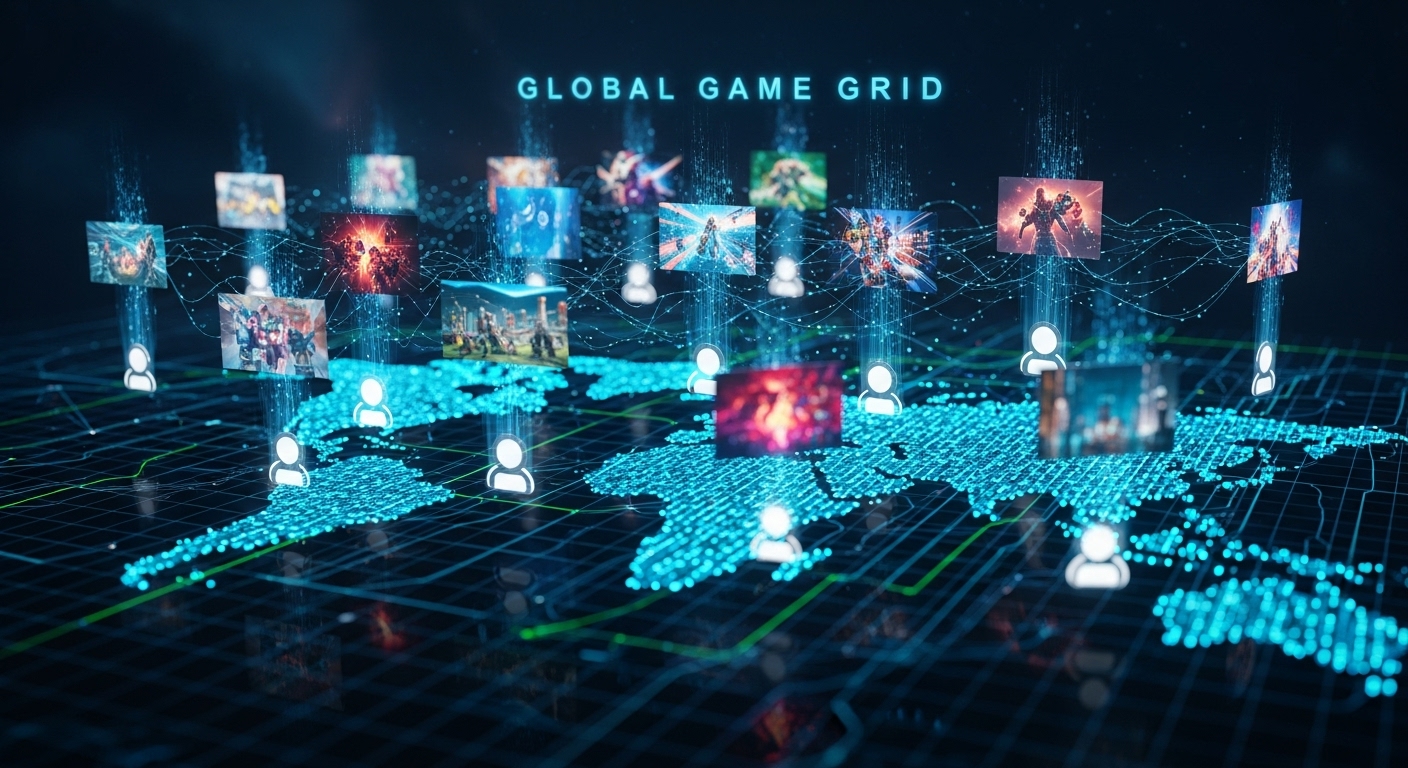
Esports is inherently global. Unlike traditional sports, which may require infrastructure, facilities, or geographic proximity, esports can be played and watched anywhere with an internet connection. International tournaments bring together players from diverse countries, creating a multicultural competitive environment. While countries like South Korea, China, and the United States dominate professional play, emerging regions in Southeast Asia, South America, and Africa are rapidly gaining recognition. The global accessibility of esports fosters inclusivity, allowing talented individuals to compete regardless of location, background, or resources.
Education and Skill Development
Esports offers valuable educational and professional opportunities. Universities provide courses in esports management, game design, and digital media. Players develop critical skills such as problem-solving, strategic thinking, communication, and teamwork. Competitive gaming also encourages technological literacy, analytical reasoning, and adaptability—skills that are transferable to careers in technology, media, and business. Participation in esports teaches discipline, time management, and leadership, preparing students for success in both professional and personal pursuits.
Challenges Facing the Industry
Despite its success, esports faces several challenges. Player burnout, mental health concerns, and rigorous schedules remain significant issues. Ethical problems such as cheating, match-fixing, and exploitation of players occasionally tarnish the industry’s image. Rapid commercialization also raises questions about maintaining a balance between profit and player welfare. The future of esports depends on implementing proper regulations, protecting athletes, and fostering ethical practices to ensure long-term growth and sustainability.
The Future of Esports
The future of esports is bright and expansive. Innovations in virtual reality, augmented reality, and cloud gaming will create more immersive experiences for both players and spectators. Emerging markets will continue to diversify the competitive landscape, and new technology may transform the way audiences engage with games. Esports will increasingly influence education, entertainment, and culture, becoming an essential aspect of digital life. Its evolution represents the intersection of skill, technology, and creativity, shaping how people compete, connect, and entertain themselves in the future.
Conclusion: Esports as a Cultural and Competitive Force
Esports has redefined competition, entertainment, and community in the modern world. From humble beginnings in local tournaments to international events with millions of viewers, it has become a cultural, economic, and technological powerhouse. Beyond entertainment, esports fosters education, global collaboration, and professional development. It demonstrates that digital competition can be as meaningful, rigorous, and celebrated as traditional sports. Esports is more than a game—it is a global movement, a professional pursuit, and a testament to the ways technology and human ambition can come together to redefine achievement in the 21st century.