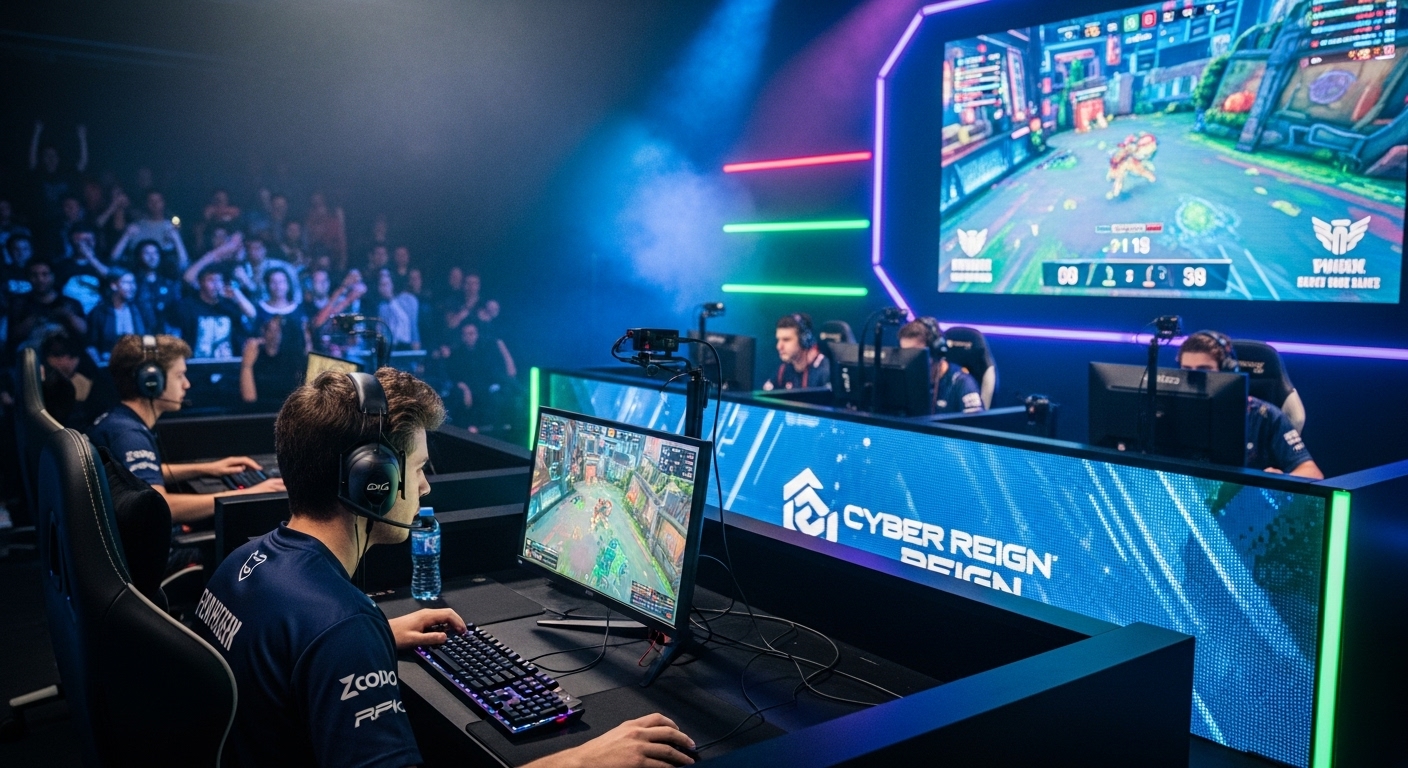
The esports industry has grown into a billion-dollar ecosystem over the past decade, and one of the key drivers of revenue is broadcasting rights. Just like traditional sports, the ability to distribute content through streaming platforms, television networks, and digital services has transformed esports into a lucrative business. Broadcasting rights not only generate direct income for organizers and publishers but also influence sponsorships, advertising, and global exposure.
This blog explores how broadcasting rights shape esports income, the different revenue models, and the implications for players, teams, and the industry as a whole.
Understanding Broadcasting Rights in Esports
Broadcasting rights refer to the legal permission to transmit esports content to viewers through various channels. These rights are typically sold by game publishers, tournament organizers, or leagues to media companies, streaming platforms, or broadcasters.
Key Types of Broadcasting Rights:
- Exclusive Rights: A single platform or network has the sole permission to stream the tournament, often resulting in higher fees.
- Non-Exclusive Rights: Multiple platforms can broadcast the same event, often for wider reach but lower per-platform revenue.
- Territorial Rights: Rights may be sold by region, allowing platforms to target specific markets for maximum impact.
The sale of broadcasting rights can significantly affect the financial stability and growth of esports tournaments and leagues.
Major Esports Broadcasting Platforms
Several platforms dominate esports broadcasting:
- Twitch: The leading streaming platform for live esports, offering subscription and ad revenue sharing.
- YouTube Gaming: Provides monetization through ads, sponsorships, and super chats.
- Facebook Gaming: Expands esports reach in social media ecosystems.
- Regional Networks: TV channels in Asia, Europe, and North America sometimes acquire rights for high-profile events.
The platform chosen can influence revenue potential, audience size, and sponsorship deals.
How Broadcasting Rights Generate Income
1. Direct Revenue from Rights Sales
Tournament organizers and publishers sell broadcasting rights to streaming platforms or media networks. High-profile events like the League of Legends World Championship or The International command multi-million-dollar contracts.
- Example: Riot Games has sold exclusive streaming rights for League of Legends leagues, generating significant income for both the publisher and regional partners.
- Income from rights sales often covers operational costs, prize pools, and marketing expenses.
2. Advertising Revenue
Broadcasting rights allow organizers to monetize ads shown during streams or broadcasts. This includes:
- Pre-roll and mid-roll video ads.
- Sponsored segments or branded content integrated into the stream.
- Product placement and overlay advertising.
Higher-quality broadcasting rights agreements often include clauses for revenue sharing from advertising, benefiting both organizers and platforms.
3. Sponsorships and Partnerships
A tournament with secured broadcasting rights becomes more attractive to sponsors because:
- Wider audience reach increases brand exposure.
- Exclusive rights create premium advertising opportunities.
- Sponsors can integrate their products into the broadcast through branded overlays, commentary mentions, or special in-game events.
For instance, major sponsors like Intel, Red Bull, or Coca-Cola often invest heavily in tournaments with substantial broadcast visibility.
4. Subscription and Premium Content
Some streaming platforms monetize through subscriptions, premium passes, or pay-per-view events.
- Twitch subscriptions allow fans to support leagues, teams, or broadcasters directly.
- Pay-per-view for high-stakes tournaments can generate millions in revenue.
- Exclusive content, behind-the-scenes footage, and player interviews add value.
Broadcasting rights ensure that organizers retain control over which platform can sell these premium experiences.
Impact on Teams and Players
Broadcasting rights indirectly benefit teams and players by:
- Increasing exposure, which leads to more sponsorship deals for individuals and teams.
- Growing the fanbase, which translates into merchandise and ticket sales for live events.
- Ensuring more stable tournament prize pools funded by broadcasting income.
Top esports teams often negotiate revenue sharing from broadcasting rights as part of their contracts with publishers or leagues.
Regional Differences in Broadcasting Revenue
The value of broadcasting rights can vary significantly by region:
- Asia: Esports is deeply integrated with platforms like Douyu and Huya in China, where broadcasting rights are highly lucrative due to massive viewership.
- North America: Twitch and YouTube dominate, with league-based franchises like the Overwatch League generating substantial broadcast-related revenue.
- Europe: Regional networks sometimes partner with online platforms to expand reach, balancing traditional media with digital streaming.
Regional differences influence the price of rights, audience engagement, and sponsor interest.
Case Studies
League of Legends World Championship
- Riot Games controls global broadcasting rights and licenses them to platforms worldwide.
- Exclusive deals with Twitch and YouTube have generated millions in revenue while maintaining consistent global viewership.
- The broadcasting model supports multi-million-dollar prize pools and regional leagues.
The International (Dota 2)
- Valve streams the event on its own platform, Steam, with exclusive broadcasting control.
- Revenue from ads, premium access, and sponsorships is reinvested into prize pools, which have reached tens of millions of dollars.
These cases illustrate that broadcasting rights are central to funding large-scale esports competitions.
Challenges and Considerations
While broadcasting rights are lucrative, there are challenges:
- Exclusivity vs. Accessibility: Exclusive rights can limit viewership if fans are forced to join a single platform.
- Piracy: Unauthorized streams can reduce revenue potential.
- Market Saturation: Multiple tournaments and leagues may compete for viewers, diluting the value of broadcasting deals.
- Negotiation Complexity: Regional licensing, ad revenue splits, and contractual obligations can complicate agreements.
Successful management of broadcasting rights requires balancing revenue generation with audience growth and community satisfaction.
Future Trends in Esports Broadcasting
- Direct-to-Consumer Streaming: Publishers may bypass third-party platforms and stream directly to audiences via proprietary apps.
- Interactive Viewing: Features like multi-angle streams, real-time stats, and viewer-controlled cameras can enhance engagement and monetization.
- Global Franchise Models: Similar to traditional sports, franchised leagues with guaranteed broadcasting contracts will stabilize income streams.
- Integration of AI and Analytics: AI-powered highlights, player tracking, and predictive statistics can add value for broadcasters and advertisers.
These trends suggest that broadcasting rights will remain a cornerstone of esports revenue while evolving with technology.
Conclusion
Broadcasting rights are a critical driver of esports income, shaping how tournaments are funded, how audiences engage, and how sponsors invest. Direct revenue from rights sales, advertising, subscriptions, and sponsorships supports prize pools, team salaries, and event production.
By strategically managing broadcasting rights, publishers and organizers can maximize income, expand global reach, and provide competitive opportunities for players and teams. The future of esports will continue to intertwine with innovative broadcasting models, making these rights a cornerstone of the industry’s financial ecosystem.