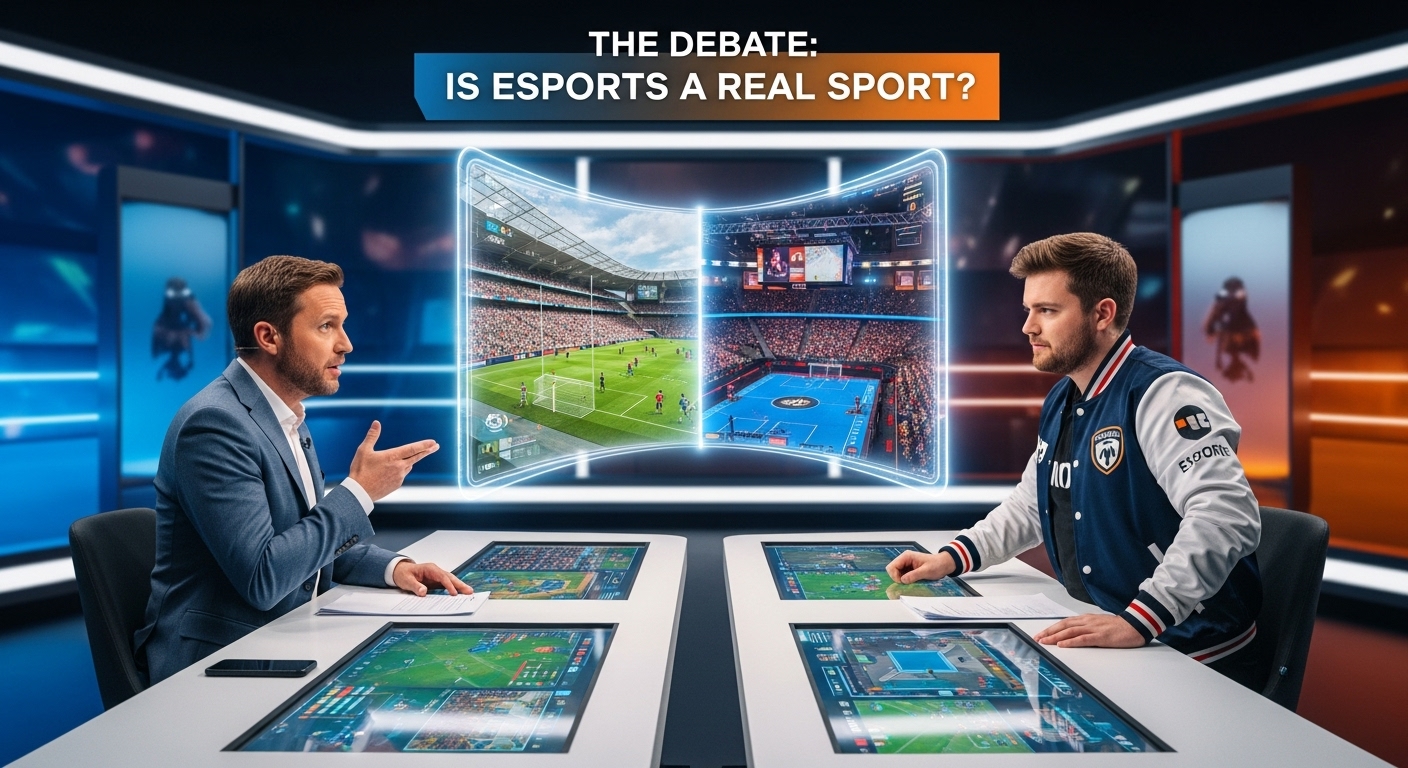
In the past two decades, the term “sport” has evolved beyond traditional images of athletes sprinting across a field, swinging a bat, or shooting a basketball. One of the most significant shifts in this evolution has been the rise of esports — competitive video gaming. As esports gains mainstream attention, a contentious question continues to divide both gaming enthusiasts and traditional sports purists: Is esports a real sport?
This debate touches on multiple facets: physical exertion, mental skill, audience engagement, cultural legitimacy, and even the financial and professional structures that underpin competitive gaming. In this blog post, we will examine both sides of the argument, analyze definitions, and explore the implications of classifying esports as a sport.
What Are Esports?
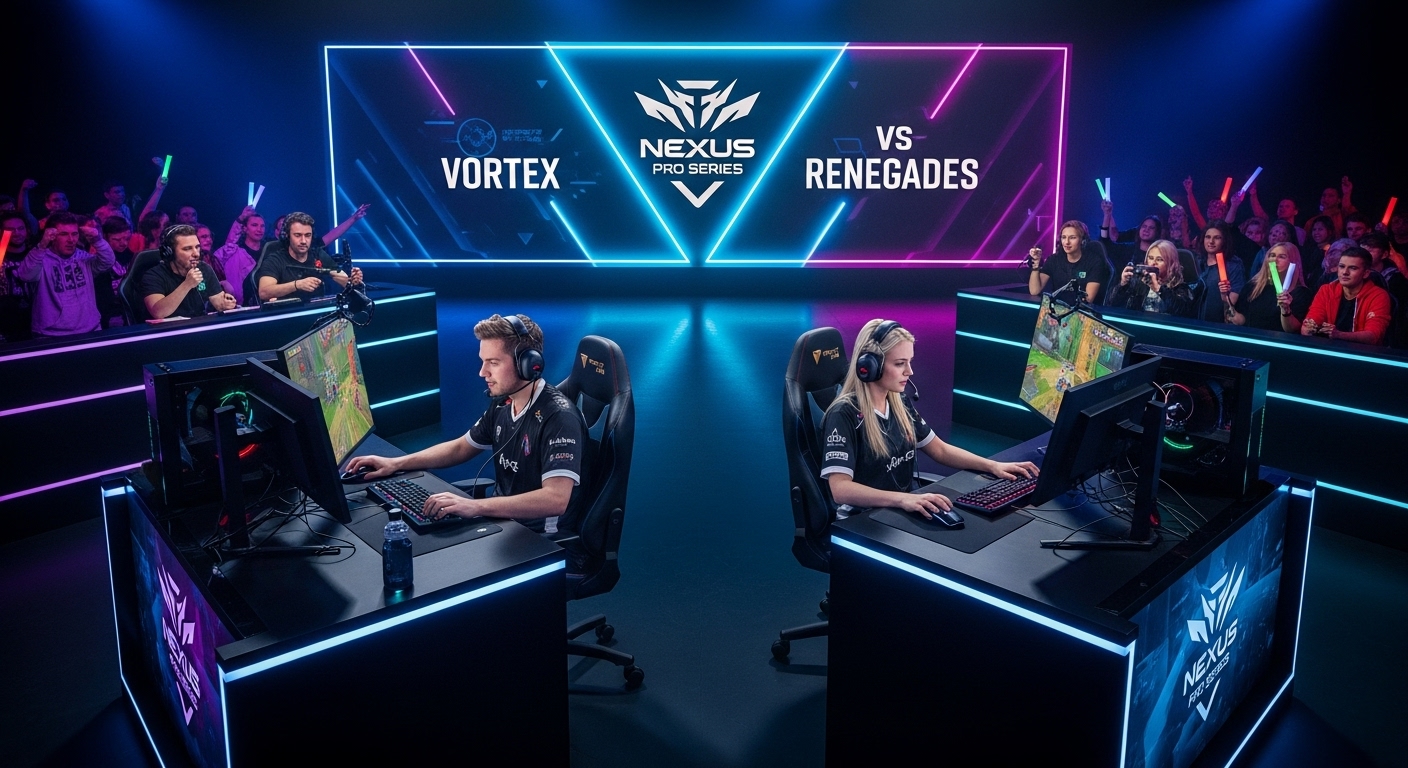
Before delving into the debate, it is essential to understand what esports entails. The term “esports,” short for electronic sports, refers to organized, competitive video gaming. These competitions range from casual online tournaments to massive global events with millions of dollars in prize money, broadcast to audiences of tens of millions.
Popular esports titles include games like:
- League of Legends (LoL): A team-based strategy game requiring coordination, quick thinking, and tactical execution.
- Counter-Strike: Global Offensive (CS:GO): A first-person shooter emphasizing precision, reflexes, and strategic planning.
- Dota 2: A highly strategic multiplayer online battle arena (MOBA) game demanding intense teamwork and deep knowledge of in-game mechanics.
- Fortnite: A battle royale game that combines shooting, strategy, and creative building skills.
- FIFA Series: A football simulation game testing tactical knowledge, hand-eye coordination, and split-second decision-making.
Professional esports players dedicate thousands of hours to training, often rivaling the time commitment of traditional athletes. Competitive gaming has become a multi-billion-dollar industry, complete with sponsorships, franchised leagues, and professional teams akin to traditional sports organizations.
Defining “Sport”
The debate about whether esports qualifies as a sport begins with the definition of “sport” itself. Dictionaries and sports organizations provide slightly different definitions, but common threads exist:
- Physical exertion: Most traditional definitions emphasize the use of physical skill or activity.
- Competition: Sports involve organized, competitive activity with rules and objectives.
- Skill: Success in sports requires training, practice, and skill development.
- Entertainment: Sports are often conducted for spectators, either live or via broadcast.
Some definitions expand beyond physicality, considering mental skill and strategic thinking as legitimate components. For instance, chess, which requires little physical exertion but immense mental focus, is recognized as a sport by the International Olympic Committee (IOC).
Herein lies the crux of the esports debate: is mental skill enough to classify an activity as a sport, or must there be significant physical exertion?
Arguments for Esports as a Real Sport
1. Skill and Strategy Are Central
Competitive gaming requires extraordinary skill and strategic thinking. In games like League of Legends or Dota 2, players must:
- Analyze opponents’ tactics in real-time.
- Make split-second decisions that affect game outcomes.
- Coordinate complex strategies with teammates.
The mental demands are analogous to chess or competitive poker — both widely recognized as sports in some contexts. Esports players often memorize hundreds of in-game scenarios, character abilities, and statistical probabilities, demonstrating cognitive skill on par with traditional athletes.
2. Training Regimens Mirror Traditional Athletes
Professional esports players adhere to rigorous training schedules. These can include:
- Daily practice sessions lasting 6–12 hours.
- Team strategy meetings and review of past matches.
- Physical fitness routines to maintain reflex speed, endurance, and mental focus.
Contrary to popular stereotypes of gamers sitting on a couch all day, professional players frequently engage in physical exercise to prevent repetitive strain injuries, maintain posture, and improve reaction times.
3. High-Stakes Competition
Esports tournaments mirror traditional sports competitions in terms of structure and stakes:
- Prize pools: Events like The International for Dota 2 offer over $40 million in total prizes.
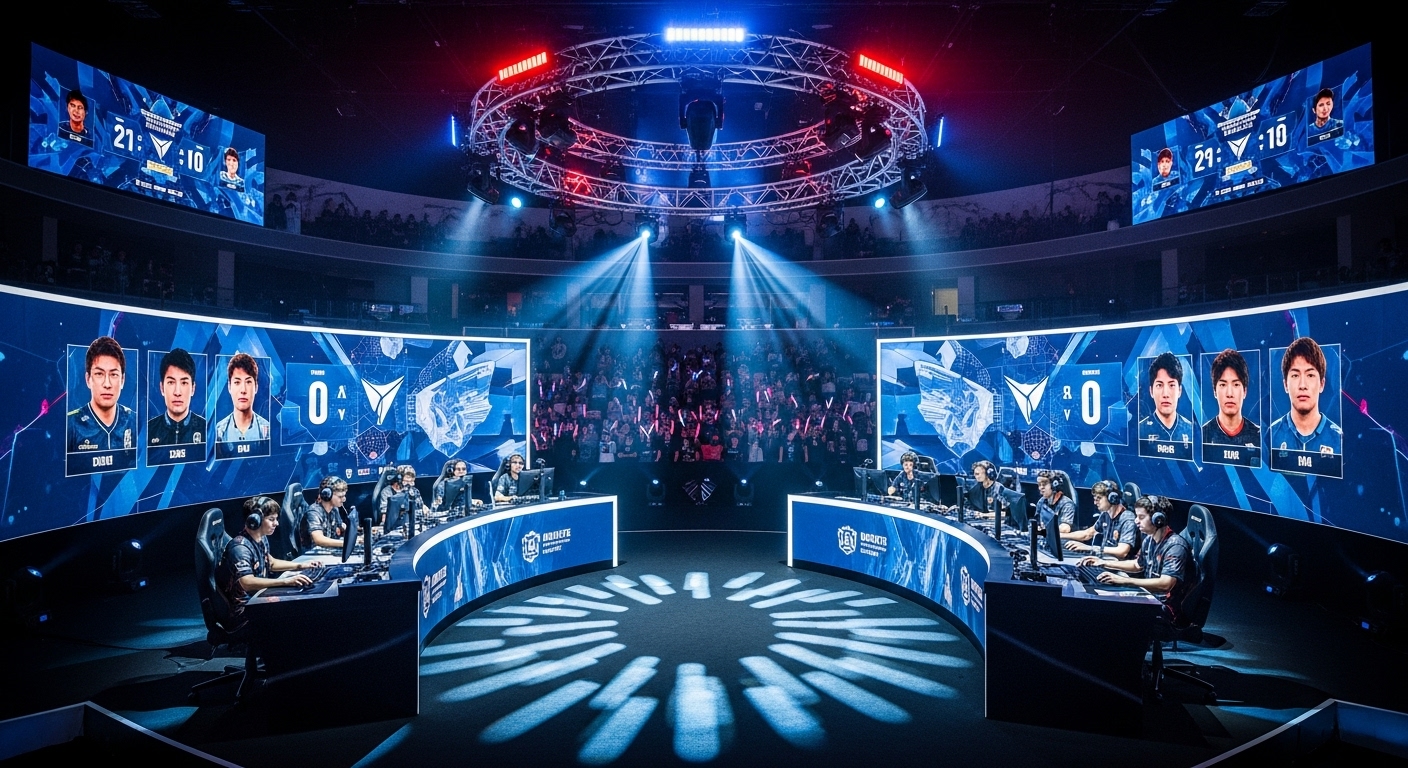
- Global reach: Major tournaments attract millions of viewers worldwide.
- Professional recognition: Players can earn salaries, endorsements, and contracts similar to professional athletes.
This level of organization and competition closely aligns esports with conventional sports leagues.
4. International Recognition
Esports is gaining recognition from international sporting organizations:
- The Asian Games 2022 included esports as a medal event.
- The International Olympic Committee (IOC) has considered esports for future Olympic inclusion.
- National esports federations exist in countries like South Korea, China, and Germany, paralleling the organizational structure of traditional sports.
Such recognition demonstrates that esports is increasingly viewed as a legitimate competitive activity.
Arguments Against Esports as a Real Sport
1. Physical Exertion is Minimal
One of the strongest arguments against classifying esports as a sport is the lack of traditional physical exertion. Unlike soccer, basketball, or swimming, esports primarily tests mental acuity and hand-eye coordination rather than full-body physical fitness.
Critics argue that while mental skill is impressive, it does not satisfy the core criteria of a sport as historically defined. Watching a game of esports does not showcase the same physical prowess that excites traditional sports fans.
2. Accessibility vs. Athleticism
While anyone can pick up a controller and practice, traditional sports often require innate physical attributes such as strength, speed, or endurance. Critics claim that esports, while competitive, lacks the athletic barriers that define other sports, leading some to view it as more akin to competitive gaming or recreation rather than athletic competition.
3. Cultural Perception
Society has long associated the term “sport” with physical activity. For many people, the image of athletes running, jumping, or tackling is integral to what sport represents. Esports challenges this cultural perception, leading some purists to resist categorizing it as a “real sport,” despite professional structures and global recognition.
4. Health and Longevity
Professional esports players often face physical and mental health challenges due to long hours of sedentary gameplay, including:
- Repetitive strain injuries (RSI).
- Eye strain and headaches.
- Mental fatigue and stress from high-stakes competition.
Traditional sports, while physically demanding, often promote overall health, fitness, and longevity — factors critics highlight as missing from esports.
Comparing Esports to Traditional Sports
To better understand where esports fits, we can compare it to both traditional and mind sports:
| Aspect | Traditional Sport (Soccer) | Mind Sport (Chess) | Esports |
| Physical Exertion | High | Low | Moderate (hand-eye coordination) |
| Mental Skill | Moderate | High | High |
| Competition | High | High | High |
| Audience Engagement | High | Moderate | High |
| Professional Career Path | Established | Established | Emerging |
From this comparison, esports shares more in common with mind sports like chess but also incorporates reflexes and coordination, adding a physical component.
The Role of Technology
One unique aspect of esports is its reliance on technology. Unlike traditional sports, esports cannot exist without a digital platform. While some argue this undermines its legitimacy as a sport, others see technology as an evolution of human competition.
Consider these points:
- Tennis and archery rely on equipment (rackets, bows) to compete.
- Formula 1 relies heavily on technology in cars and race engineering.
- Esports relies on computers, gaming consoles, and internet connectivity — simply the digital medium of competition.
Technology does not diminish the skill required; if anything, it adds complexity and precision, particularly in high-level tournaments where milliseconds matter.
Cultural and Economic Impact
Esports has transformed gaming from a hobby into a global cultural phenomenon:
- Audience size: Major tournaments can attract more viewers than traditional sports events. For example, the 2023 League of Legends World Championship drew over 100 million viewers.
- Revenue generation: Esports revenue surpassed $1.5 billion in 2023, with sponsorships, media rights, and merchandise fueling growth.
- Community and fan engagement: Social media platforms, streaming services, and online forums create robust fan communities comparable to those of football or basketball.
These cultural and economic impacts further support esports’ legitimacy as a competitive sport, at least in the eyes of its fans and stakeholders.
Mental Health and Training Demands
Esports requires not just physical dexterity but also extraordinary mental resilience:
- Players manage high-stress situations during competitions.
- Long training hours require concentration and stamina.
- Strategy and game sense must constantly evolve as game patches and meta changes occur.
Such demands are similar to those faced by traditional athletes who must balance physical training with tactical knowledge, mental toughness, and adaptation.
The Future of Esports as a Recognized Sport
The future suggests increasing legitimacy:
- Integration with traditional sports: Clubs like Paris Saint-Germain (PSG) and Manchester City have invested in esports divisions.
- Education pathways: Universities now offer scholarships and degrees in esports management, coaching, and competitive play.
- Olympic consideration: With discussions ongoing, esports may become part of multi-sport international competitions.
As esports continues to professionalize and integrate with mainstream sports culture, the line between “real sport” and “competitive gaming” is increasingly blurred.
Conclusion: Is Esports a Real Sport?
The question of whether esports is a real sport does not have a simple yes-or-no answer. The debate hinges on how one defines “sport” and what criteria are considered essential:
- Physicality purists argue esports lacks the athletic exertion required to be a sport.
- Skill and strategy advocates highlight that mental agility, reflexes, training, and competition qualify esports as a sport, akin to chess or shooting sports.
Ultimately, esports challenges traditional definitions of sport and forces society to reconsider what constitutes athleticism in the digital age. With its massive audiences, professional infrastructure, and increasing cultural legitimacy, esports may not fit the mold of classical sports, but it undeniably represents a new era of competitive human performance.