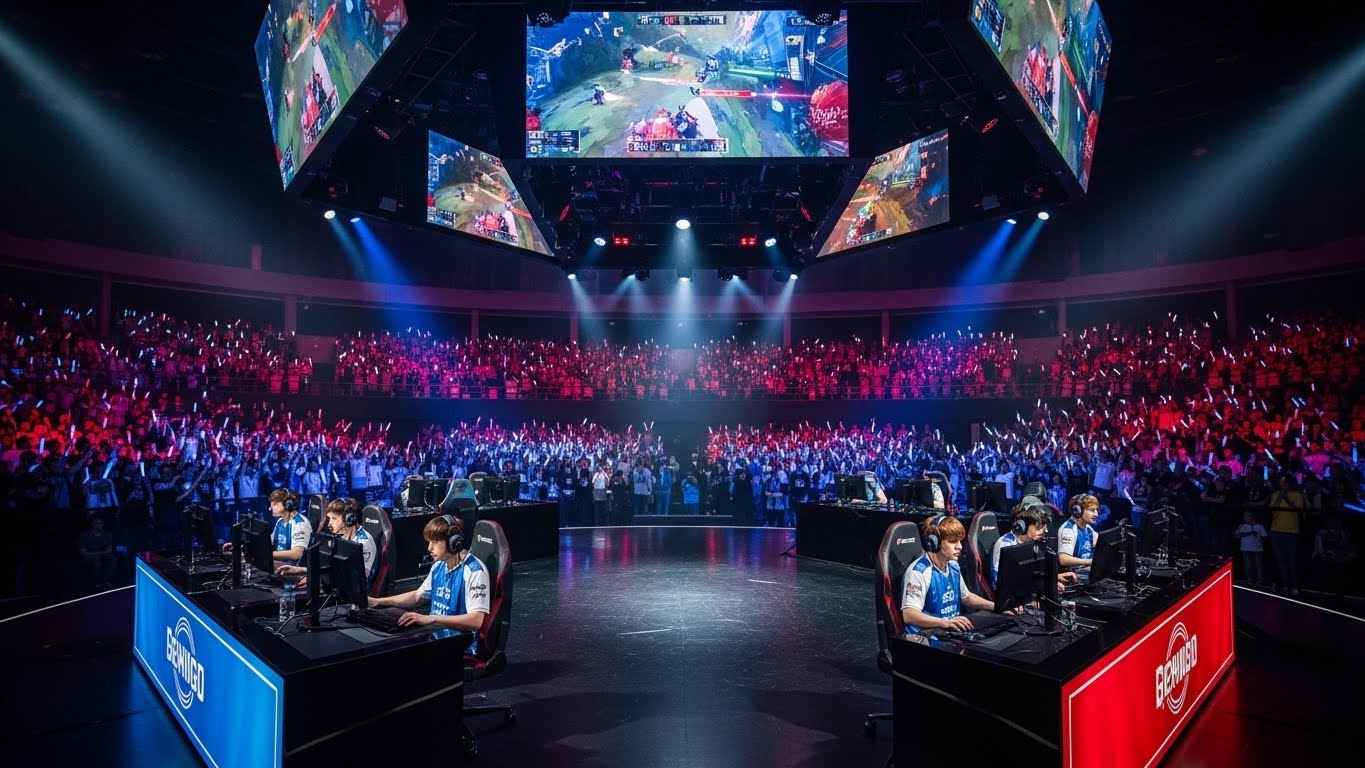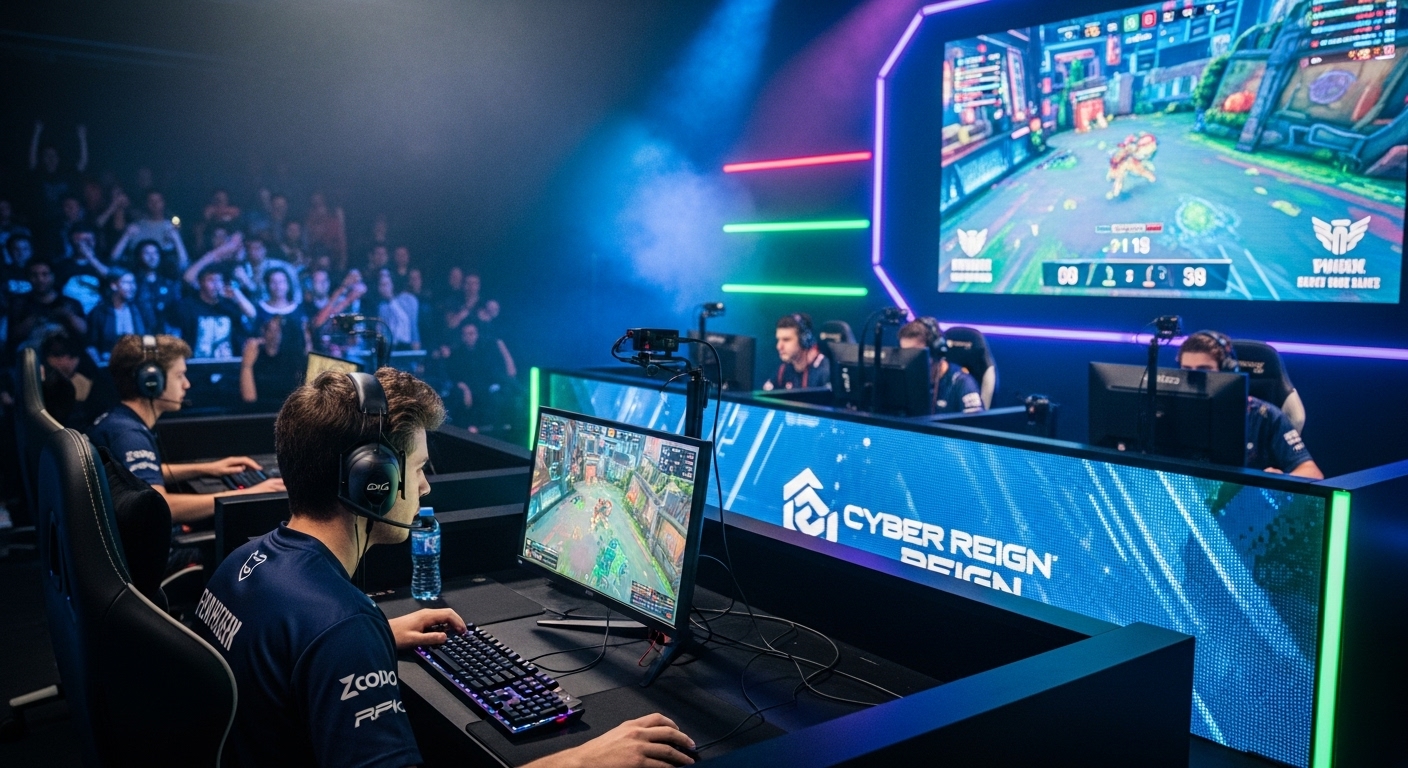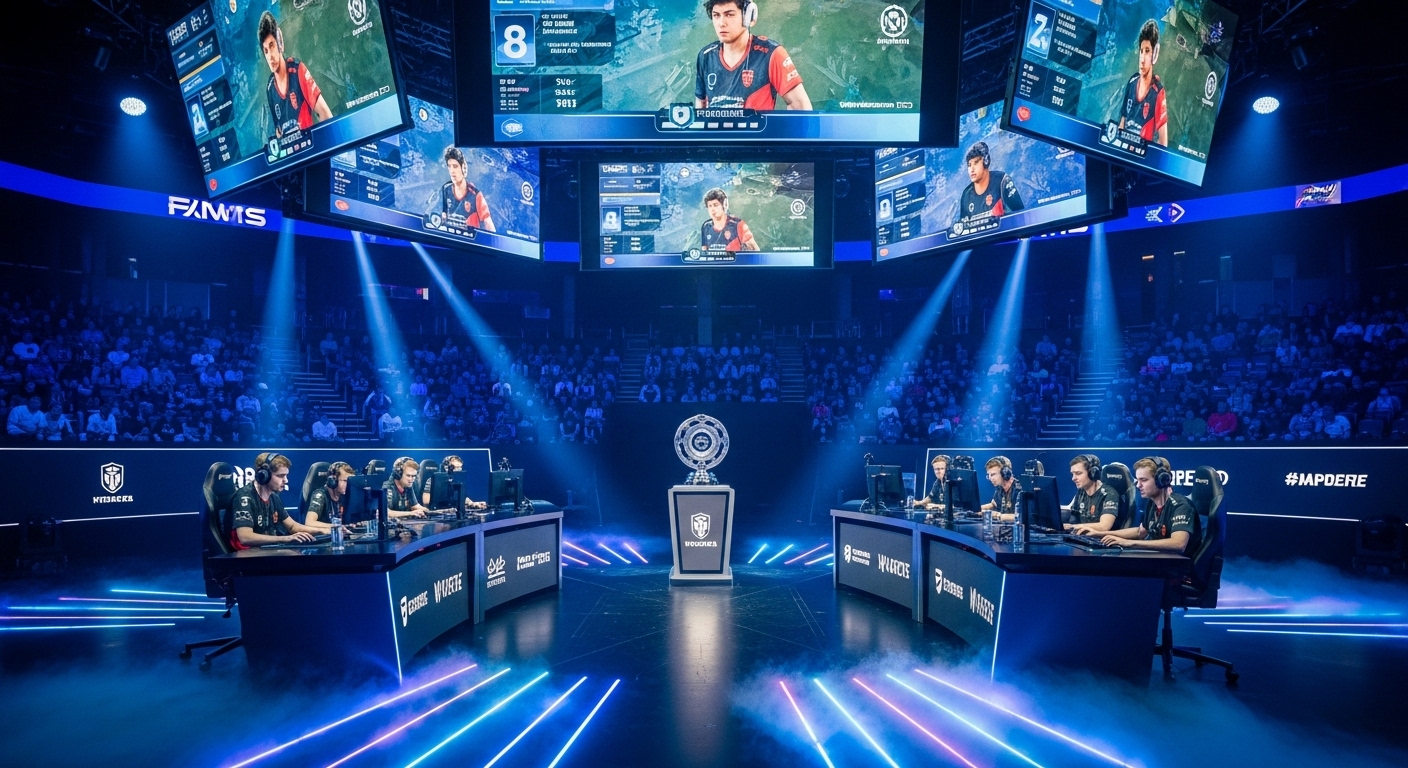
Esports, once seen as a niche hobby for gaming enthusiasts, has transformed into a billion-dollar global phenomenon that stands shoulder to shoulder with traditional sports. From small LAN parties and internet café tournaments to international arenas packed with cheering fans, Esports has redefined what it means to be an athlete, a spectator, and even a community member in the digital age. The story of Esports is not just about video games—it’s about passion, technology, culture, and the unrelenting pursuit of excellence.
The Origins of Esports
The concept of competitive gaming dates back to the early days of arcade machines in the 1970s and 1980s. Players would compete for the highest score in games like Space Invaders, Pac-Man, and Donkey Kong. However, the first official Esports competition can be traced to 1972 at Stanford University, where students competed in Spacewar for a year’s subscription to Rolling Stone magazine.
In the following decades, as home consoles and personal computers became more accessible, gaming competitions became more organized. The 1990s were particularly crucial for the rise of Esports. Nintendo held its World Championships, and games like Street Fighter II and Quake introduced one-on-one combat and first-person shooter competitions to the mainstream. The rise of the internet in the late 1990s enabled global multiplayer gaming, allowing players to connect and compete across continents for the first time. This was the dawn of Esports as we know it today.
The Explosion of Online Gaming
The 2000s marked a massive shift in gaming culture. The arrival of broadband internet and platforms like Battle.net, Xbox Live, and Steam changed the landscape entirely. Multiplayer online games such as Counter-Strike, StarCraft, and Dota began shaping competitive gaming ecosystems that allowed players to rise through ranks and participate in global tournaments.
In South Korea, StarCraft became a national sensation. The country’s investment in internet infrastructure created fertile ground for competitive gaming to thrive. Players were treated like celebrities, televised matches became common, and professional teams started to form. This South Korean Esports culture became the model that many countries would later emulate.
Western audiences soon followed. Major tournaments like the World Cyber Games and the Electronic Sports World Cup began attracting players from around the globe. These competitions paved the way for the next generation of Esports leagues, which would soon dominate the world stage.
The Era of Professionalization
The late 2000s and early 2010s marked the era when Esports transformed from grassroots tournaments into highly organized, professional industries. Titles like League of Legends, Dota 2, and Counter-Strike: Global Offensive became household names among gaming communities.
With the rise of streaming platforms like Twitch and YouTube Gaming, Esports reached audiences far beyond the traditional fan base. Millions of viewers could now watch live matches from the comfort of their homes, chat with other fans in real time, and follow their favorite players or teams throughout the season. The barrier between players and audiences blurred, creating a more intimate and interactive form of entertainment than traditional sports.
Organizations like Riot Games and Valve began investing heavily in their competitive scenes. They created structured leagues, standardized rules, and massive prize pools. The International, Dota 2’s premier annual tournament, became famous for its record-breaking prize money, often crowdfunded by fans through in-game purchases. This participatory economy gave fans a sense of ownership in their favorite tournaments, deepening the connection between players and communities.
The Role of Technology in Esports Growth
Technological advancement has always been at the heart of Esports. From high-speed internet to powerful gaming PCs and sophisticated game engines, the evolution of technology has directly influenced how Esports is played, broadcasted, and experienced.
The rise of high-definition streaming and real-time data analytics has made Esports broadcasts more immersive and insightful. Spectators can see live statistics, replays, and commentary that enhance their understanding of the game. Virtual reality and augmented reality technologies are also being explored to make Esports viewing even more engaging.
Artificial intelligence has also found its place in Esports, from player performance analytics to anti-cheat systems that ensure fair play. AI tools are used to study gameplay, improve strategies, and even train upcoming professionals by simulating opponents or predicting in-game scenarios.
Esports as a Career Path
What was once considered a hobby is now a legitimate profession. Professional Esports players earn salaries, sponsorships, and prize money that rival athletes in traditional sports. Teams have coaches, analysts, nutritionists, and managers. Training schedules can span several hours a day, and physical fitness is now recognized as an essential component of competitive performance.
Beyond players, Esports offers career opportunities for commentators, event organizers, software developers, content creators, and marketers. The ecosystem surrounding Esports is vast and constantly expanding, driven by innovation and creativity.
Universities across the world have also begun offering Esports scholarships, recognizing gaming as a form of competitive excellence that requires discipline, teamwork, and strategic thinking. Academic programs in Esports management and game design are preparing the next generation of professionals to thrive in this rapidly evolving field.
The Esports Audience and Culture
One of the most remarkable aspects of Esports is its audience. Unlike traditional sports that are often regional or national, Esports has a global fan base that transcends language and geography. Fans from different continents gather online to support their favorite teams, discuss matches, and share memes or fan art.
The community aspect of Esports is vital to its success. Platforms like Discord, Reddit, and Twitch have fostered spaces where fans and players interact freely. These online communities have developed their own cultures, humor, and traditions that make Esports unique.
Esports fans are also deeply engaged. They follow professional players on social media, watch practice streams, and participate in online tournaments themselves. The line between spectator and participant is thin, which creates a more dynamic and participatory fan culture than traditional sports often allow.
The Economics of Esports
The Esports industry has seen exponential financial growth in the past decade. Revenue streams include sponsorships, advertising, ticket sales, media rights, and in-game purchases. Major brands such as Coca-Cola, Intel, and Adidas have invested in Esports sponsorships, recognizing the immense potential of reaching younger, tech-savvy audiences.
Esports arenas and stadiums have become a global trend. Cities around the world are building state-of-the-art facilities designed specifically for gaming events. These venues host thousands of fans and provide immersive experiences with massive LED screens, advanced lighting systems, and live commentary.
The investment landscape is also expanding. Venture capitalists, celebrities, and even traditional sports franchises are buying into Esports organizations. The integration of Esports into mainstream business and entertainment has solidified its position as a lasting industry rather than a passing trend.
The Psychological Side of Esports
While the glamour of big tournaments and sponsorship deals captures attention, the psychological aspect of Esports is equally important. Professional players face intense mental pressure similar to traditional athletes. The need for precision, quick decision-making, and teamwork under stress demands immense focus and resilience.
Mental health awareness in Esports has become a growing topic. Many organizations now provide psychological support to help players cope with stress, burnout, and performance anxiety. Esports professionals often begin their careers at a young age, making mentorship and guidance crucial to their development both as players and as individuals.
In addition, the emphasis on strategy and problem-solving has led many to argue that Esports can enhance cognitive skills such as spatial awareness, multitasking, and memory retention. This has further helped shift public perception, highlighting the intellectual and strategic depth of competitive gaming.
Global Influence and Diversity
Esports is one of the most inclusive forms of competition. Unlike traditional sports that depend on physical attributes, Esports offers equal opportunities regardless of gender, age, or physical ability. Players are judged purely on skill, strategy, and teamwork.
Different regions have developed unique Esports cultures. South Korea remains a powerhouse, China dominates mobile gaming Esports, North America and Europe have thriving professional leagues, and Southeast Asia has emerged as a key growth region. The diversity of games—from tactical shooters to battle royales and sports simulations—ensures that there is something for everyone.
Women are also making significant strides in Esports. Female-only tournaments and organizations are growing, empowering more women to participate in professional gaming. While challenges remain regarding inclusivity and representation, the industry is moving toward a more balanced and diverse future.
Esports and Education
As Esports gains recognition, its integration into education systems has been transformative. Schools and universities are embracing gaming as a tool for learning teamwork, leadership, and problem-solving skills. Some institutions have even launched dedicated Esports programs that teach event management, broadcasting, and digital marketing alongside gameplay training.
The educational benefits of gaming extend beyond the professional scene. Esports promotes strategic thinking, collaboration, and adaptability—skills highly valuable in the modern workforce. Students involved in Esports teams learn how to handle pressure, communicate effectively, and lead diverse groups toward common goals.
Challenges and Controversies in Esports
Despite its success, Esports faces challenges that threaten its stability and growth. Issues such as player burnout, cheating, doping, and toxic online behavior continue to be concerns. Governing bodies are still emerging, and the lack of standardized regulations across games and countries can lead to inconsistencies.
Match-fixing scandals and financial mismanagement have occasionally tarnished the industry’s reputation. Ensuring transparency and fairness is an ongoing effort among tournament organizers and developers. Additionally, as the industry grows, the debate around player rights, fair contracts, and long-term sustainability has intensified.
Another challenge is balancing commercialization with authenticity. As big brands and investors pour money into Esports, there is a risk that the grassroots culture that built the community could be overshadowed. Maintaining the spirit of competition and community engagement remains essential for the future of Esports.
The Future of Esports
The future of Esports looks brighter than ever. As technology continues to evolve, so will the ways in which people play and watch games. Virtual reality Esports could become the next big frontier, offering immersive experiences that combine physical and digital performance.
Mobile gaming Esports is also set to dominate, especially in developing regions where smartphones are more accessible than gaming PCs or consoles. Titles like PUBG Mobile, Mobile Legends, and Free Fire have already attracted millions of players and spectators.
In the coming years, Esports may even become a regular part of major international sporting events. The inclusion of competitive gaming in the Asian Games is a step in that direction. As governments and institutions recognize Esports as a legitimate form of competition, its integration into mainstream culture will only deepen.
Conclusion
Esports is more than just gaming—it is the embodiment of digital culture, innovation, and human ambition. From humble beginnings in university labs and arcades to massive arenas filled with global fans, Esports has redefined entertainment, community, and competition in the modern world.
It has given rise to new professions, fostered international friendships, and proven that skill, strategy, and passion can unite millions across borders. As technology continues to advance, Esports will not only grow but also reshape how we perceive sports, teamwork, and even success itself.
The story of Esports is still being written, but one thing is clear: it represents the future of global competition—a fusion of digital excellence and human creativity that continues to inspire the world.