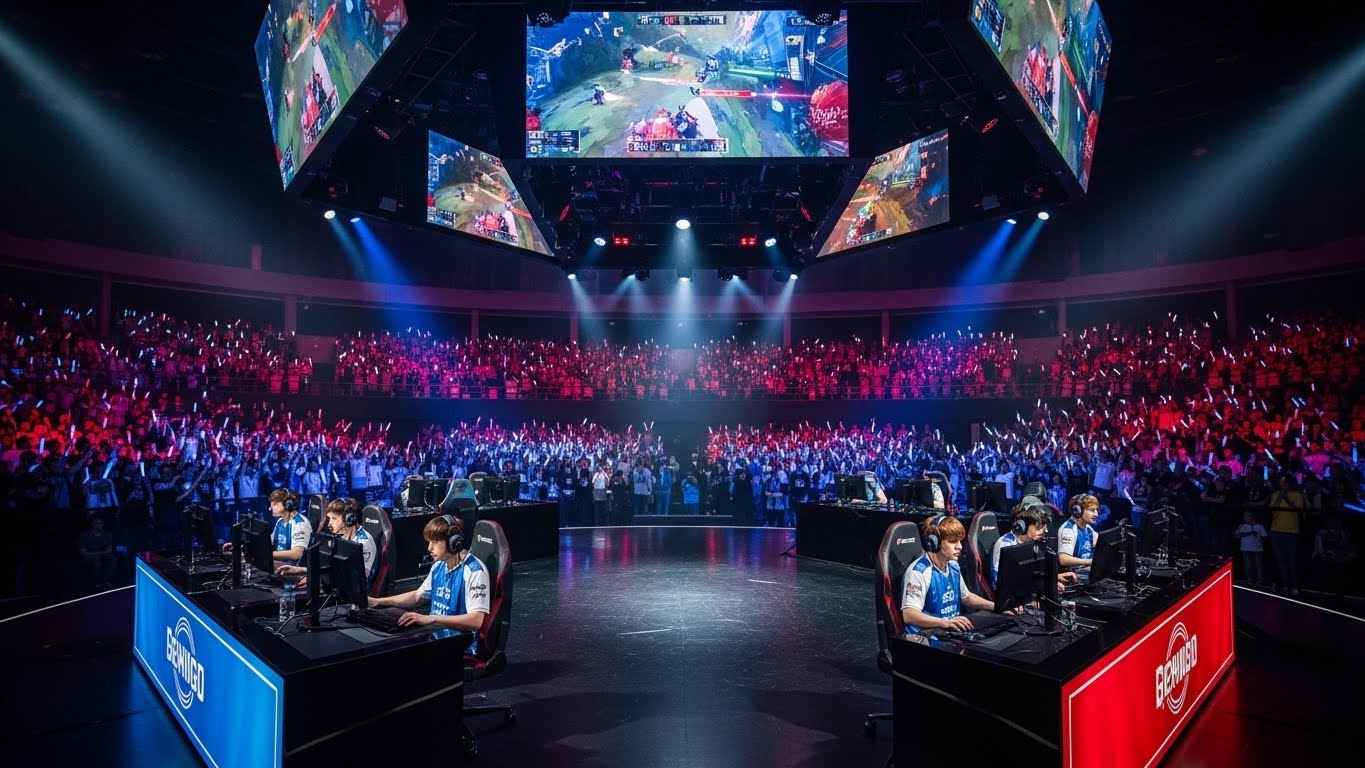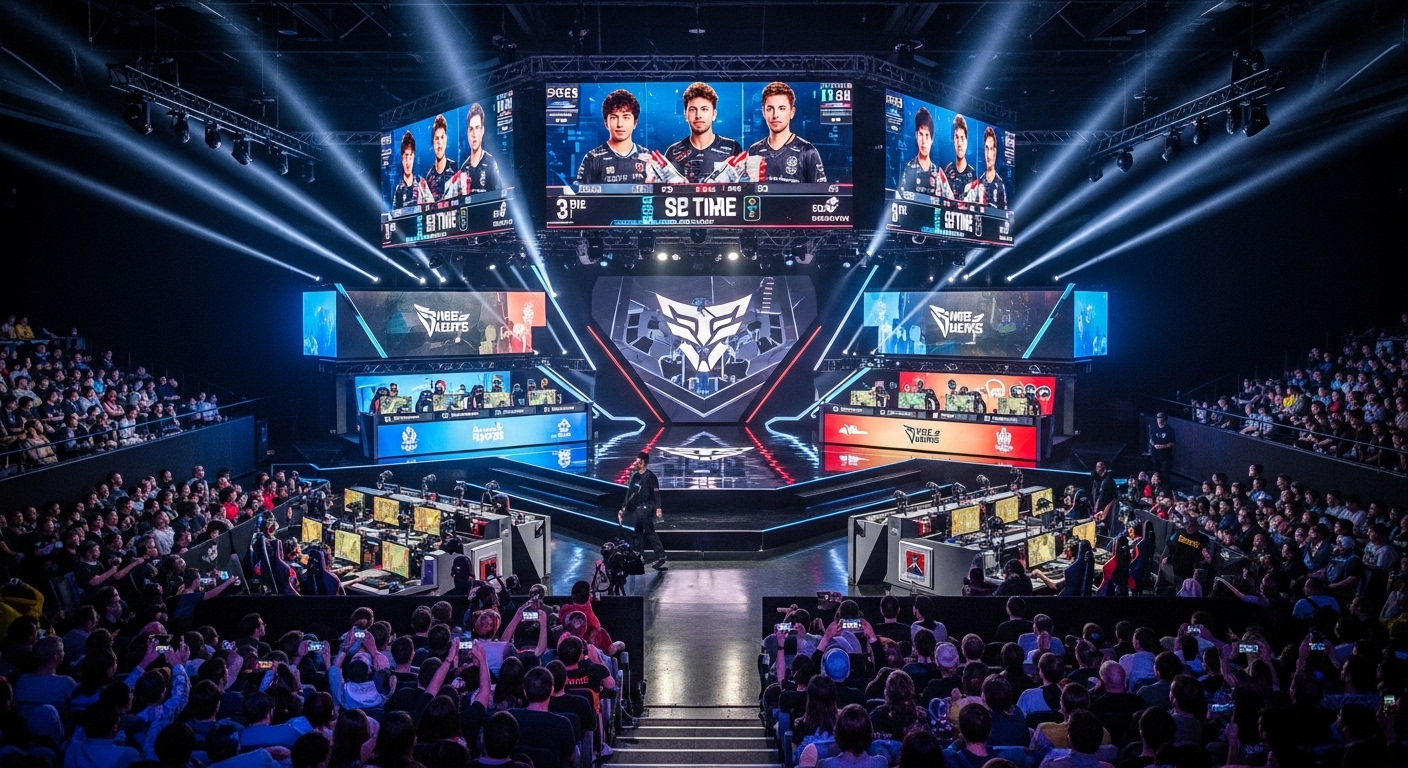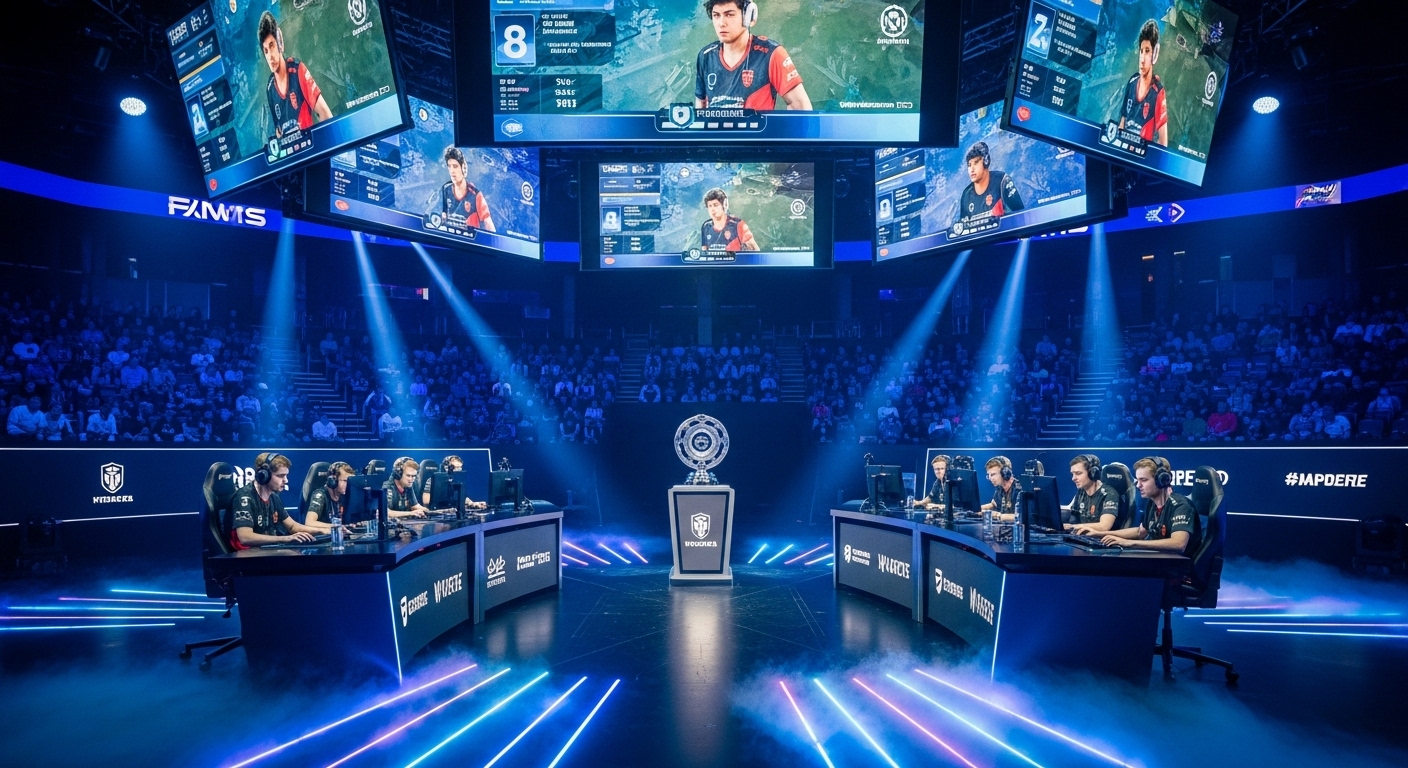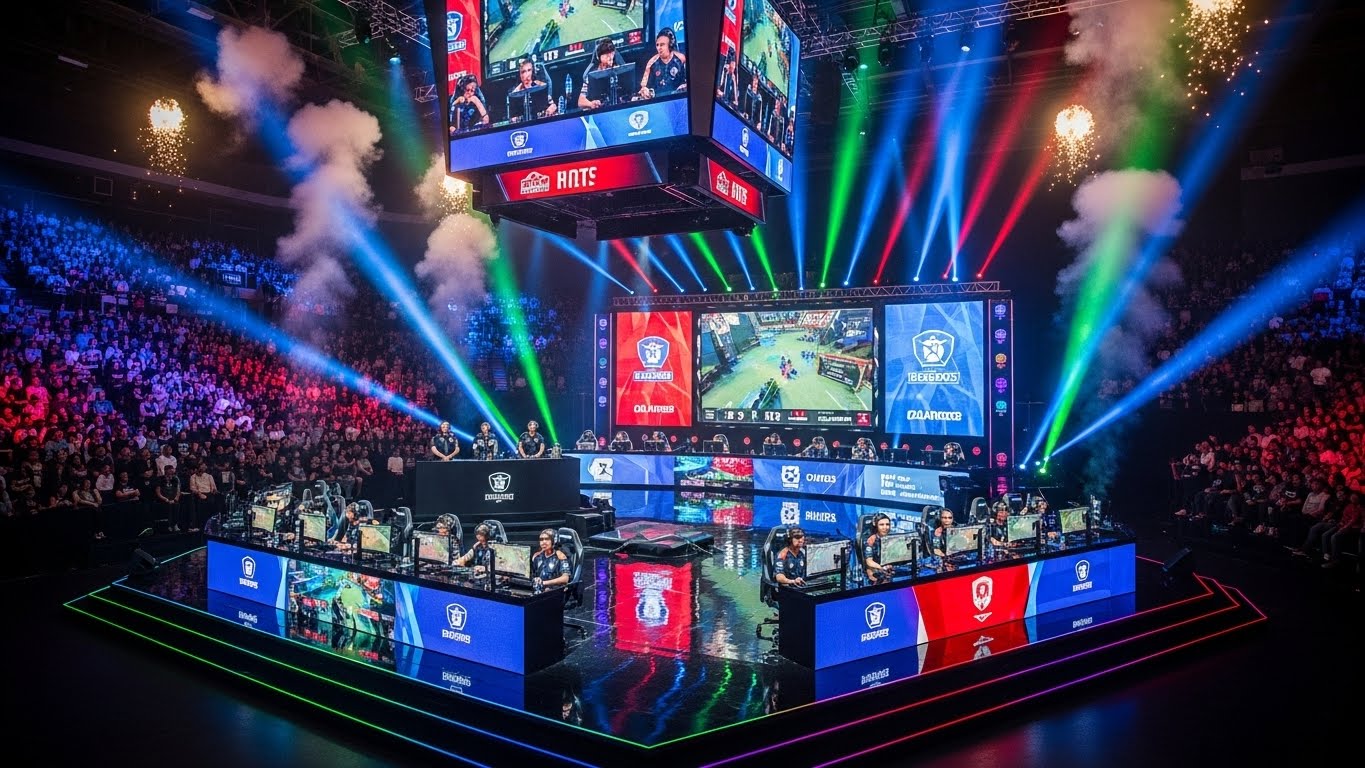
Esports, or competitive video gaming, has evolved from a niche pastime into a global phenomenon that commands attention from millions of viewers, top-tier sponsors, and mainstream media outlets. Once considered a hobby for geeks and enthusiasts, esports is now one of the fastest-growing sectors in entertainment and sports, attracting audiences that rival traditional sports leagues. With tournaments offering multi-million dollar prize pools, professional teams, and a rapidly expanding ecosystem, esports has proven to be more than just a fleeting trend. In this blog post, we will dive into the world of esports, exploring its rise, impact, challenges, and future potential.
The Origins of Esports: From Casual Play to Competitive Battlegrounds
The roots of esports can be traced back to the early days of video gaming in the 1970s and 1980s. Though video games were initially designed for casual play, it didn’t take long before competitive elements emerged. One of the first recorded instances of organized gaming competitions occurred in 1972 with the Stanford University Artificial Intelligence Laboratory’s Spacewar tournament. This modest event set the stage for future gaming contests, but esports as we know it today didn’t truly take off until the late 1990s and early 2000s.
With the advent of faster internet speeds and the growth of multiplayer games, esports began to take shape in the form of LAN (Local Area Network) tournaments. Games like StarCraft, Warcraft III, and Counter-Strike became popular in competitive circles, leading to regional tournaments and events. The rise of online platforms such as Battle.net and Gamespy allowed players to compete in virtual arenas against each other, laying the groundwork for the global esports community we have today.
The Explosion of Esports: The 2010s and Beyond
The 2010s marked the true explosion of esports into the mainstream. With the rise of streaming platforms like Twitch, which was launched in 2011, and YouTube Gaming, fans could now watch their favorite players and teams compete live from anywhere in the world. These platforms gave professional players and teams unprecedented exposure, which in turn attracted sponsors and advertisers looking to tap into the burgeoning esports market.
One of the most pivotal moments in the growth of esports came with the launch of League of Legends (LoL) by Riot Games in 2009. LoL not only became one of the most-played games globally but also laid the foundation for esports as a multi-billion-dollar industry. Riot Games introduced the League of Legends Championship Series (LCS), a professional league for the game, and began organizing global tournaments with prize pools in the millions of dollars. This move helped elevate esports to new heights, attracting major sponsors like Coca-Cola, Intel, and Red Bull, who saw the potential of esports to reach a younger, tech-savvy audience.
Esports Today: A Multi-Billion Dollar Industry
Fast forward to the present day, and esports is no longer a niche hobby; it’s a multi-billion dollar industry with professional leagues, sponsorship deals, massive viewership, and dedicated fan bases. According to a report by Newzoo, the global esports industry generated nearly $1.1 billion in revenue in 2023, with expectations to continue growing. This growth is fueled by multiple factors, including the increasing popularity of live streaming, the rise of mobile gaming, and the continued expansion of professional esports leagues across different regions and game titles.
The most popular esports titles today include League of Legends, Dota 2, Counter-Strike: Global Offensive (CS:GO), Overwatch, Fortnite, and Call of Duty. These games have all established professional leagues with teams representing major cities or organizations, each vying for lucrative prize pools. For example, the International Dota 2 Championship offers prize pools that can exceed $40 million, attracting some of the best players from around the world.
In addition to traditional esports, mobile gaming has become a dominant force. Games like PUBG Mobile, Free Fire, and Mobile Legends have garnered massive followings in regions such as Southeast Asia, Latin America, and India. Mobile esports tournaments are drawing in large audiences, offering significant prize money and sponsorship deals.
The Professionalization of Esports: Teams, Sponsorships, and Salaries
One of the most striking changes in the world of esports has been the professionalization of the scene. In the early days, esports players were often amateurs or semi-professionals competing in small tournaments for modest prizes. Today, however, esports athletes are considered professional competitors with salaries, contracts, team managers, coaches, and even personal trainers.
Esports organizations are now massive enterprises, often resembling traditional sports teams in terms of structure and management. Major esports organizations like Team Liquid, Cloud9, FaZe Clan, and G2 Esports operate similarly to professional football or basketball teams, with sponsorship deals, merchandise, and global fanbases. These organizations recruit players, hire coaches, analysts, and performance experts, and even build state-of-the-art training facilities to ensure their teams are well-prepared for competition.
The financial side of esports is also growing rapidly. Top-tier players in popular games like League of Legends and CS:GO can earn six-figure salaries, and that’s before factoring in prize money, sponsorships, and streaming revenues. Players also make money by streaming their gameplay on platforms like Twitch and YouTube, where popular streamers can earn a significant income through subscriptions, ad revenue, and donations.
Esports and Mainstream Media: Bridging the Gap
As esports continues to grow, it is increasingly crossing over into the mainstream media. Television networks, such as ESPN, have begun to cover major esports events, and streaming platforms like Twitch have become a primary destination for fans to watch live tournaments and casual gameplay. Major broadcasters like ABC and NBC have also aired esports events, recognizing the huge viewership potential among younger audiences.
One of the most significant milestones in this area was the inclusion of esports as a medal event at the 2022 Asian Games. This was a historic moment for the gaming world, as esports was recognized as a legitimate form of competition on a global stage. The inclusion of esports in the Asian Games not only validated the competitive nature of gaming but also demonstrated how far the industry has come in gaining recognition from traditional sports organizations.
The Impact of Esports on Youth Culture
Esports has had a profound impact on youth culture. For millions of young people around the world, esports represents more than just entertainment; it’s a way of life. Gaming has evolved from a solitary activity into a highly social experience. Players interact with friends, teammates, and fans online, creating tight-knit communities that transcend geographical boundaries.
In many ways, esports has become a career path for young people who have grown up with gaming as a central part of their lives. For talented individuals, playing professionally can lead to fame, fortune, and opportunities to travel the world. As a result, esports has inspired a new generation of gamers, influencers, and content creators, many of whom aspire to one day compete at the highest level or work behind the scenes in the industry.
Esports has also had a positive impact on the gaming industry as a whole. The professional scene has encouraged game developers to create more polished, balanced, and engaging experiences. Competitive games are now designed with longevity in mind, with frequent updates, balance changes, and community engagement.
Challenges Facing Esports
Despite its rapid growth, esports faces several challenges. One of the biggest hurdles is maintaining player health and well-being. Professional gamers often spend long hours practicing and competing, which can lead to physical and mental health issues. Repetitive strain injuries, such as carpal tunnel syndrome, are common among players, and the mental strain of constant competition can lead to burnout.
Another challenge is the ongoing issue of cheating and match-fixing, which has plagued competitive gaming for years. Game developers and tournament organizers have implemented measures to prevent cheating, but as technology continues to evolve, so do the methods used by cheaters. Maintaining fairness in competitive play is crucial for ensuring the legitimacy of esports.
Finally, there is the question of regulation and governance. Unlike traditional sports, esports lacks a unified governing body, which has led to inconsistencies in rules and tournament structures. As esports continues to grow, the need for standardized regulations and oversight will become more pressing to ensure that the industry remains sustainable.
The Future of Esports
Looking ahead, the future of esports looks incredibly promising. The industry is poised for continued growth, with new games, platforms, and opportunities emerging constantly. As technology advances, we may see innovations like virtual reality (VR) and augmented reality (AR) change the way we experience esports.
Esports will likely continue to gain mainstream recognition, with more traditional sports organizations and media outlets getting involved. We may also see further integration of esports into educational institutions, with universities offering scholarships and even creating dedicated esports programs and facilities.
The global expansion of esports into regions like Africa and South America will also bring new talent and fans into the fold, further solidifying esports as a truly global phenomenon. The increasing popularity of mobile gaming will also ensure that esports remains accessible to a wider audience, regardless of geographic location or financial resources.
Conclusion: Esports – More Than Just a Game
Esports has come a long way since its humble beginnings. What started as a niche hobby has blossomed into a global, multi-billion-dollar industry that has reshaped the entertainment landscape. From its roots in local LAN tournaments to its present-day status as a mainstream phenomenon, esports has proven to be more than just a game—it’s a cultural revolution.