Esports, or electronic sports, have rapidly grown into a global phenomenon over the past decade. What started as a niche interest for passionate gamers has now blossomed into a multi-billion-dollar industry with millions of fans, sponsors, and players. The world of competitive gaming has evolved dramatically, transcending its origins as a hobby to become a legitimate, widely recognized form of entertainment. This blog explores the rise of esports, its significance in the digital era, and its impact on gaming culture, sports industries, and mainstream media.
The Origins of Esports: From Arcades to Streaming Platforms
The history of esports can be traced back to the late 20th century when video games were first introduced to the world. In the early days, competitive gaming was mostly localized in small communities or local arcades, where players would compete against each other for bragging rights or prizes. Games like “Pong” (1972), “Space Invaders” (1978), and “Pac-Man” (1980) laid the foundation for what would later become a formalized competitive structure.
However, it wasn’t until the release of titles like “Street Fighter II” (1991) and “Doom” (1993) that players began organizing competitions on a larger scale. These games featured multiplayer modes that encouraged players to face off against each other in organized tournaments. One of the earliest documented major esports events occurred in 1997 with the creation of the Red Annihilation tournament for “Quake,” which attracted players from around the world and offered substantial prize money.
While esports were still in their infancy, streaming platforms like Twitch, which launched in 2011, revolutionized the way people could watch competitive gaming. With the ability to watch tournaments live in high-definition, esports began to gain widespread attention. Viewers could now watch their favorite players, teams, and competitions from the comfort of their homes, further solidifying the notion that esports was a growing and dynamic industry.
The Explosion of Esports: From Niche Hobby to Global Industry
By the 2010s, esports was no longer a hobby reserved for a small group of enthusiasts. The rise of competitive games like League of Legends, Dota 2, Counter-Strike: Global Offensive (CS: GO), and Overwatch brought esports into the mainstream. These titles not only had large player bases but also featured complex gameplay mechanics that required intense skill and strategy, making them perfect for competitive play.
The success of these games paved the way for professional esports organizations, league systems, and sponsorships. Teams were formed, and professional players began to compete for huge prize pools, often reaching millions of dollars. One of the biggest milestones in this transition was the annual The International tournament for Dota 2, which in 2018 boasted a prize pool of over $25 million.
Esports tournaments became global spectacles, drawing attention from mainstream media, major sponsors, and even traditional sports organizations. For example, League of Legends’ annual World Championship attracts millions of viewers each year, rivaling traditional sports events in terms of viewership. According to recent statistics, the global esports audience is expected to exceed 500 million people by 2025.
The increasing popularity of esports has also attracted investment from major companies. Tech giants like Intel, Red Bull, and Coca-Cola, as well as traditional sports organizations such as the NBA and NFL, have entered the esports ecosystem by sponsoring events, teams, and players. This influx of investment has helped elevate esports from a niche activity to a professional, multi-faceted industry.
The Infrastructure of Esports: From Tournaments to Leagues
Esports is not just about players; it’s about creating a complete ecosystem of competitions, fan engagement, and media rights. The infrastructure supporting esports has grown tremendously over the past few years. Large-scale tournaments and competitions are held regularly around the world, some of which are broadcast on TV networks like ESPN and Eurosport.
Professional esports leagues such as the Overwatch League, Call of Duty League, and League of Legends Pro League provide a structured environment for teams to compete in regular seasons, culminating in playoffs and finals. These leagues often feature city-based teams, much like traditional sports leagues, with players signing contracts and competing for lucrative salaries and sponsorship deals.
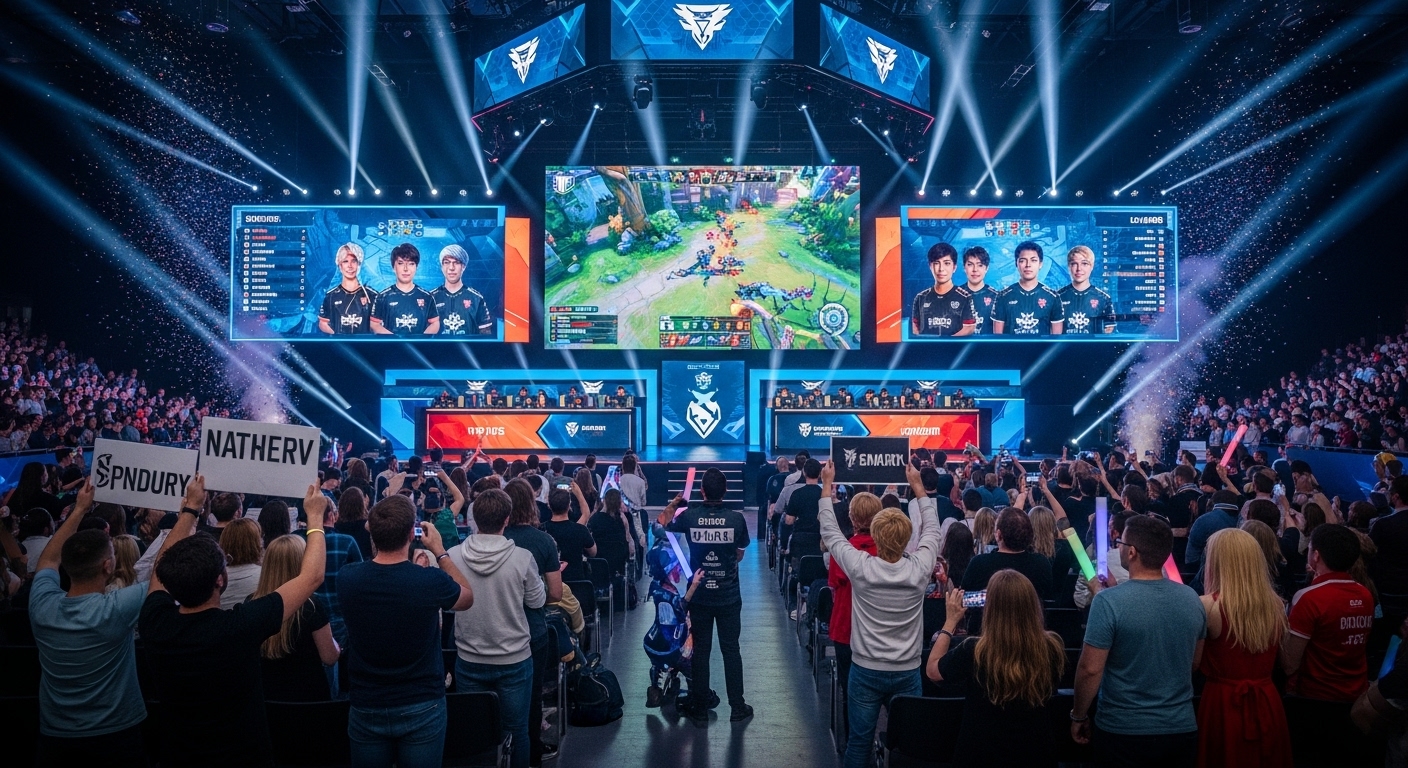
In addition to established professional leagues, various esports events take place around the globe. From the League of Legends World Championship in North America to the Dota 2 International in Europe, these tournaments showcase the best of the best in competitive gaming. These events are often accompanied by live streams, fan interaction, and sponsorship activation, making them much more than just tournaments—they are full-blown spectacles.
Esports organizations are now treating their teams like traditional sports teams, with coaching staffs, analysts, and even psychologists on hand to help players perform at their peak. It’s not uncommon to see esports players undergo rigorous training, much like athletes in traditional sports, including strategy sessions, practice scrims (practice matches), and physical fitness routines.
Esports and the Global Fanbase: A Community Like No Other
One of the most fascinating aspects of esports is its passionate and engaged fanbase. Unlike traditional sports, where fans may follow a team based on geographic location or historical success, esports fans tend to follow specific players, teams, and games that resonate with their interests. The digital nature of esports allows fans to connect with their favorite players on a more personal level, as many esports stars stream their practice sessions or interact with fans through social media platforms like Twitter and Instagram.
Esports fans also have the opportunity to engage directly with the games themselves. Titles like Fortnite, Valorant, and Minecraft have built-in mechanisms for community engagement, where players can share their experiences, create content, and even influence the direction of the game through feedback and participation in beta tests. Fans of League of Legends, for example, have a deep connection with the game’s lore, characters, and in-game events, and they actively participate in shaping the game’s ongoing evolution.
The global reach of esports has also fostered a sense of inclusivity. Unlike traditional sports, where geographic barriers and infrastructure can limit participation, anyone with a computer or console can compete in esports. Tournaments are open to players from all regions, making esports a truly international endeavor. This global accessibility has given rise to diverse and multicultural fanbases that share a common love for competitive gaming.
Esports and the Future of Entertainment
As esports continues to grow, its influence on the broader entertainment industry cannot be overstated. In recent years, major media companies, such as ESPN and NBC Sports, have begun airing esports events, further integrating gaming into the mainstream sports landscape. Streaming services like Twitch and YouTube Gaming have become the go-to platforms for live esports content, attracting millions of viewers every day.
In addition to traditional media, esports has also found a home in the music industry. High-profile events such as League of Legends Worlds finals feature live performances by famous musicians, adding a concert-like atmosphere to the gaming experience. The blending of music, esports, and pop culture has helped create a more diverse and dynamic audience for these events.
Furthermore, the success of esports has had a profound impact on the gaming industry as a whole. Game developers are increasingly designing titles with competitive play in mind, ensuring that they are balanced, spectator-friendly, and have a long shelf life. This has led to an increase in the quality of games being released, as developers recognize the value of creating esports-ready titles.
Challenges and the Road Ahead
While esports has undoubtedly come a long way, it still faces its share of challenges. One of the most significant issues is the long-term sustainability of player health and well-being. Esports players often spend countless hours training, and the physical demands of sitting in front of a screen for extended periods can take a toll on mental and physical health. Injuries like gamer’s thumb, eye strain, and back problems are common among professional players, and there is increasing concern about the mental strain that comes with the high-pressure environment.
There is also the issue of inclusion and representation in esports. While progress has been made in terms of gender and racial diversity, esports remains a largely male-dominated space. More efforts are needed to create safe, inclusive environments where players of all backgrounds feel welcomed and supported.
Lastly, as the esports ecosystem continues to grow, there will be increasing pressure to establish fair and transparent governance structures to prevent issues such as cheating, match-fixing, and corruption. Regulatory bodies and organizations will need to work together to maintain the integrity of esports competitions.
Conclusion: Esports as the Future of Competitive Gaming
Esports is a powerful force in the entertainment and sports industries, with a rapidly expanding fanbase, professional structure, and influence on gaming culture. What began as a subculture has now become a global enterprise that continues to shape the way we view both video games and sports. As the industry evolves, esports will undoubtedly continue to push the boundaries of what is possible in competitive gaming, paving the way for new forms of entertainment, community-building, and professional gaming.
Whether you’re a fan of competitive gaming or a casual observer, it’s clear that esports is here to stay. The world of competitive gaming is only getting started, and the future looks bright for players, fans, and organizations alike.