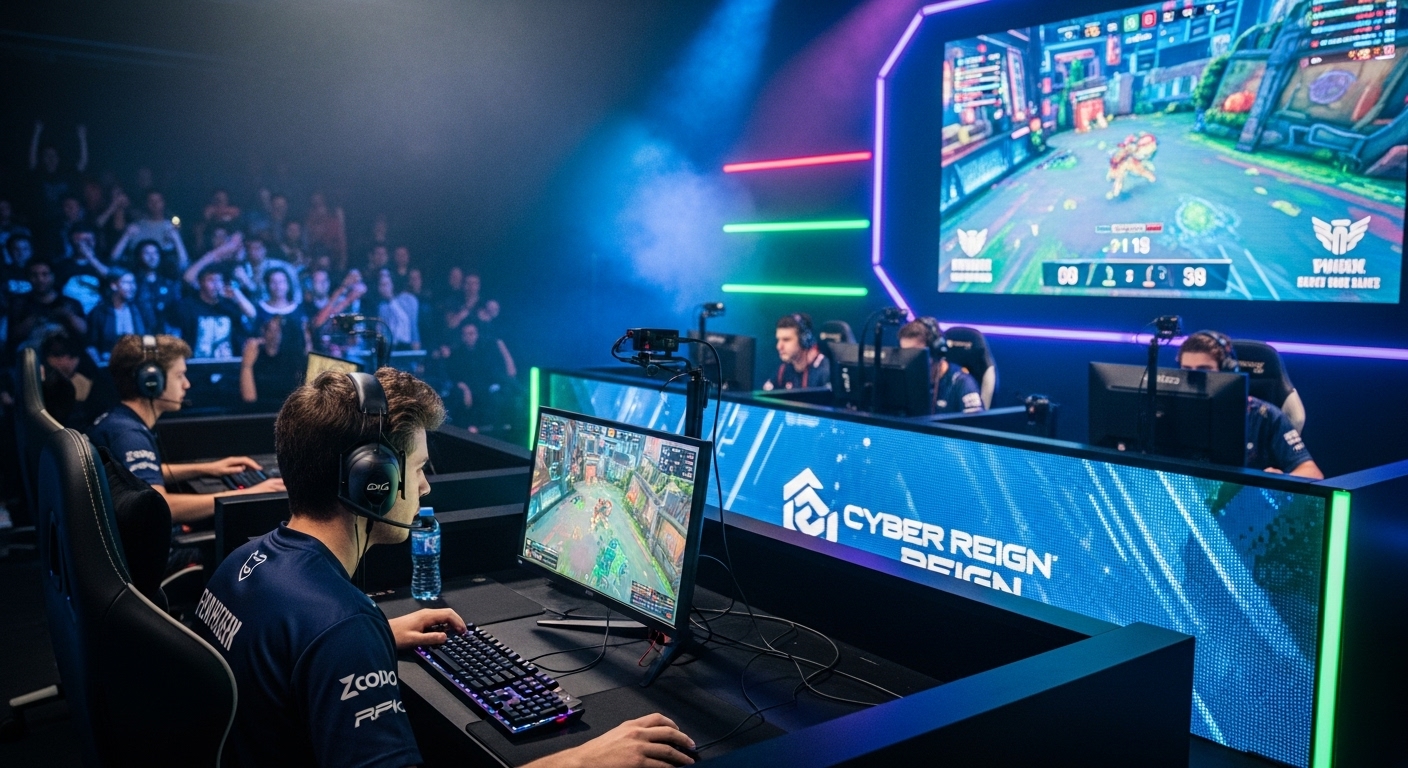
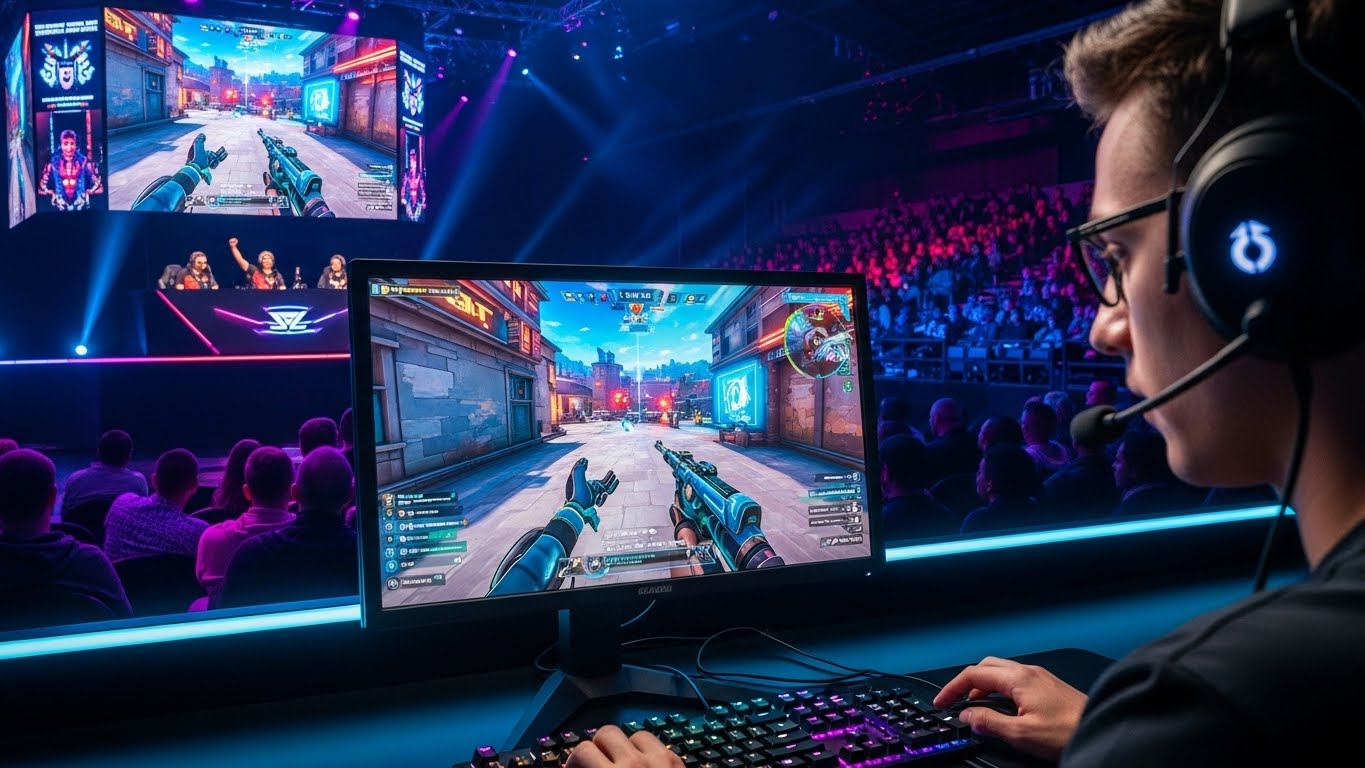
Esports has evolved from a niche activity enjoyed by a small group of passionate gamers to a global entertainment industry with millions of fans, players, and viewers. What started as informal competitions held in basements and college dorms has transformed into a massive business with professional leagues, sponsorships, and a global fan base. In this blog post, we will explore the rise of esports, its growing influence, the factors that contribute to its success, and its future in the world of entertainment.
1. What Is Esports?
At its core, esports is competitive video gaming at a professional level. While casual gaming has existed for decades, esports refers specifically to organized multiplayer video game competitions. These tournaments often feature teams or individual players competing for cash prizes, sponsorship deals, and global recognition. Esports covers a wide variety of games, from real-time strategy (RTS) games like StarCraft to multiplayer online battle arena (MOBA) games like League of Legends, and first-person shooters (FPS) like Counter-Strike: Global Offensive and Call of Duty.
Esports can take place in arenas, online platforms, or on streaming services such as Twitch, YouTube, or Facebook Gaming. Spectators watch these tournaments either live or on-demand, enjoying the excitement and strategic depth of the games. Esports offers a unique mix of skill, entertainment, and culture, making it appealing to a wide range of audiences.
2. A Growing Global Industry
The growth of esports can be seen in its rapidly increasing market size. According to recent estimates, the global esports industry is expected to surpass $1.6 billion in revenue by the end of 2023. This growth is driven by a combination of factors, including the rising popularity of streaming platforms, the increasing professionalization of esports teams and organizations, and the influx of investments from traditional sports teams and corporate sponsors.
One of the key drivers of this growth is the massive increase in the number of viewers. Platforms like Twitch have revolutionized how esports are consumed, offering real-time interaction between viewers and streamers. In 2020, Twitch alone saw over 17 billion hours of content watched, with esports-related content accounting for a significant portion of that. Similarly, YouTube Gaming and other platforms have also seen growing viewership and engagement in esports-related content.
3. The Professionalization of Esports
In its early days, esports was seen as a hobby or an underground activity. However, as the industry gained momentum, it began to adopt more traditional sports-like structures. Today, esports features professional teams, coaching staffs, and players who train and compete year-round. These players are often sponsored by large brands, and some even have individual agents and managers.
The competitive nature of esports has led to the establishment of formal leagues and tournaments. For example, the League of Legends World Championship is one of the most prestigious tournaments in esports, attracting millions of viewers from around the world. Similarly, Dota 2’s International tournament boasts one of the largest prize pools in esports history, often reaching over $30 million.
Professional teams in esports mirror traditional sports teams in many ways, with dedicated training facilities, support staff, and rigorous schedules. Esports athletes must maintain high levels of physical and mental fitness, as the competition demands incredible hand-eye coordination, quick reflexes, and strategic thinking. Some esports organizations have even started offering scholarships to young players, further professionalizing the scene.
4. The Influence of Streaming Platforms
Streaming platforms have played a pivotal role in the rise of esports. Twitch, in particular, has become synonymous with live gaming content, and many professional esports tournaments are streamed exclusively on the platform. Twitch’s interactive features, such as live chat, allow viewers to communicate with players and other fans in real-time, fostering a sense of community.
In addition to Twitch, YouTube Gaming has emerged as a major player in the esports scene. Both platforms offer extensive coverage of esports events, along with a variety of content ranging from gameplay commentary to behind-the-scenes footage of players and teams. These platforms have made it easier than ever for fans to access esports content, and in many cases, fans can watch live tournaments without ever leaving their homes.
The influence of streaming platforms extends beyond just watching esports. Many popular streamers have turned their gaming skills into lucrative careers. Streamers like Ninja, Shroud, and Pokimane have become household names, earning substantial income through subscriptions, sponsorships, and advertising. Their influence extends into mainstream media, and they often serve as ambassadors for esports, further legitimizing the industry in the eyes of the public.
5. Sponsorship and Investment: The Business Side of Esports
Esports has attracted significant investment from a variety of sources. Traditional sports organizations, including football, basketball, and soccer teams, have recognized the potential of esports and have invested heavily in teams, tournaments, and infrastructure. For example, teams like Team Liquid and Cloud9 have received investments from major companies and sports teams, and even the NBA’s Golden State Warriors have an esports franchise.
Corporations from outside the gaming industry have also taken notice. Companies like Coca-Cola, Intel, Red Bull, and Mercedes-Benz have become major sponsors of esports tournaments and teams. These sponsorships provide valuable financial support for players and organizations while giving brands an opportunity to reach a younger, tech-savvy audience.
Esports sponsorships are not limited to just tournament organizers and teams. Players themselves are often sponsored by companies, with popular streamers and professional gamers endorsing gaming peripherals, software, and even lifestyle products. This has created a symbiotic relationship between esports players and corporate sponsors, benefiting both parties.
6. The Appeal of Esports to Younger Audiences
One of the key factors contributing to the success of esports is its appeal to younger audiences. Unlike traditional sports, which may require physical equipment or outdoor spaces, esports can be accessed from anywhere with a computer or console. This accessibility makes esports highly attractive to younger generations, who are digital natives and have grown up with gaming as a primary form of entertainment.
Moreover, esports is inherently inclusive. Players of all skill levels can participate in online multiplayer games, and there is no need for physical attributes like height, strength, or speed, which are often important in traditional sports. This makes esports particularly appealing to individuals who may not be able to participate in other sports due to physical limitations or lack of access.
The sense of community within esports also plays a significant role in its popularity. Fans often form strong connections with their favorite players or teams, participating in online communities, attending live events, and even engaging in social media discussions. This deep sense of connection is something that traditional sports can also provide, but esports offers a unique opportunity for fans to interact with players on a more personal level.
7. The Future of Esports: What’s Next?
Looking ahead, the future of esports is bright. The industry continues to grow at an unprecedented rate, and innovations in technology and infrastructure are likely to fuel even more growth. Virtual reality (VR) and augmented reality (AR) technologies have the potential to revolutionize how esports tournaments are played and watched. VR esports, in particular, could bring about a new era of immersion and interactivity.
The increasing integration of esports with traditional sports is another trend to watch. More and more professional sports organizations are investing in esports, recognizing that the lines between traditional sports and digital sports are becoming increasingly blurred. In the coming years, we may see more crossovers, with esports stars participating in mainstream sports events and vice versa.
Finally, the continued evolution of streaming platforms will play a central role in the growth of esports. As platforms like Twitch, YouTube Gaming, and Facebook Gaming continue to expand, the accessibility and reach of esports content will only increase. With these platforms, esports can become even more mainstream, with new opportunities for engagement and monetization.
Conclusion
Esports is no longer just a niche activity; it has become a global phenomenon with a massive fan base, a multi-billion-dollar industry, and a growing cultural influence. The professionalization of esports, the rise of streaming platforms, the influx of sponsorships, and the appeal to younger audiences have all contributed to the rapid expansion of the industry. As esports continues to evolve, it has the potential to reshape the world of entertainment, making it an exciting time for both fans and players alike.
Whether you’re a hardcore gamer, a casual viewer, or someone who’s just beginning to explore the world of esports, one thing is clear: esports is here to stay. Its influence will only continue to grow as new technologies and platforms emerge, and the lines between traditional sports and digital sports continue to blur. The future of esports is bright, and it will undoubtedly remain a key part of the global entertainment landscape for years to come.