Esports has evolved from a niche hobby into a multi-billion-dollar industry, captivating millions of fans worldwide. What was once seen as a pastime for gamers has now become a legitimate sport, drawing massive crowds to live events, commanding attention from major sponsors, and even earning recognition as a potential Olympic event. This blog post will explore how esports transformed from humble beginnings into a global phenomenon, and what it means for the future of competitive gaming.
The Origins of Esports: From Arcade Games to Online Competitions
Esports didn’t appear overnight. Its roots can be traced back to the early days of video gaming, where competitive play was often a local affair. In the 1970s and 1980s, games like Space Invaders and Pong saw the first recorded instances of competitive play, where players would challenge each other for high scores. The competitive spirit grew alongside the gaming industry, with early tournaments taking place at arcades and college campuses.
The real turning point, however, came with the advent of online gaming in the 1990s. Games like Quake and StarCraft began to bring players together from all over the world, opening the door for organized online competitions. As the internet grew in accessibility, so did the opportunities for competitive gaming. By the early 2000s, professional gaming leagues began to emerge, including the Cyberathlete Professional League (CPL), marking the beginning of esports as we know it today.
The Explosion of Esports: The 2010s and Beyond
The 2010s marked the beginning of esports’ rapid growth into a mainstream entertainment industry. With the rise of games like League of Legends, Dota 2, Counter-Strike, and Overwatch, competitive gaming began to attract an ever-growing global audience. Esports tournaments started offering substantial prize pools, often reaching millions of dollars, which drew professional players and organizations to compete at the highest level.
Streaming platforms like Twitch played a massive role in expanding esports’ reach. In 2011, the launch of Twitch gave gamers the ability to broadcast their gameplay live, allowing audiences to watch tournaments, follow their favorite players, and even interact with the community in real-time. This platform became a hub for esports, with top tournaments being broadcast live to millions of viewers, further legitimizing esports as a competitive and entertainment medium.
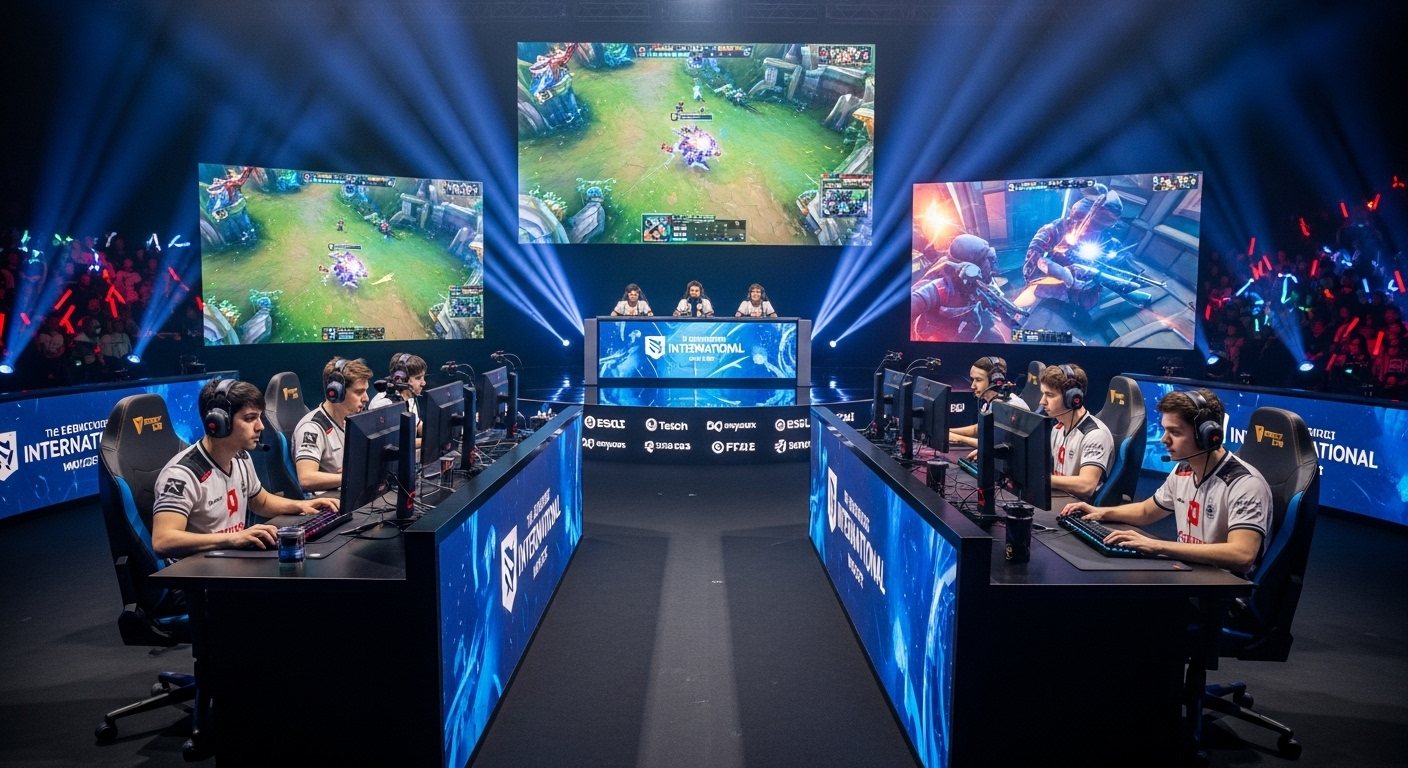
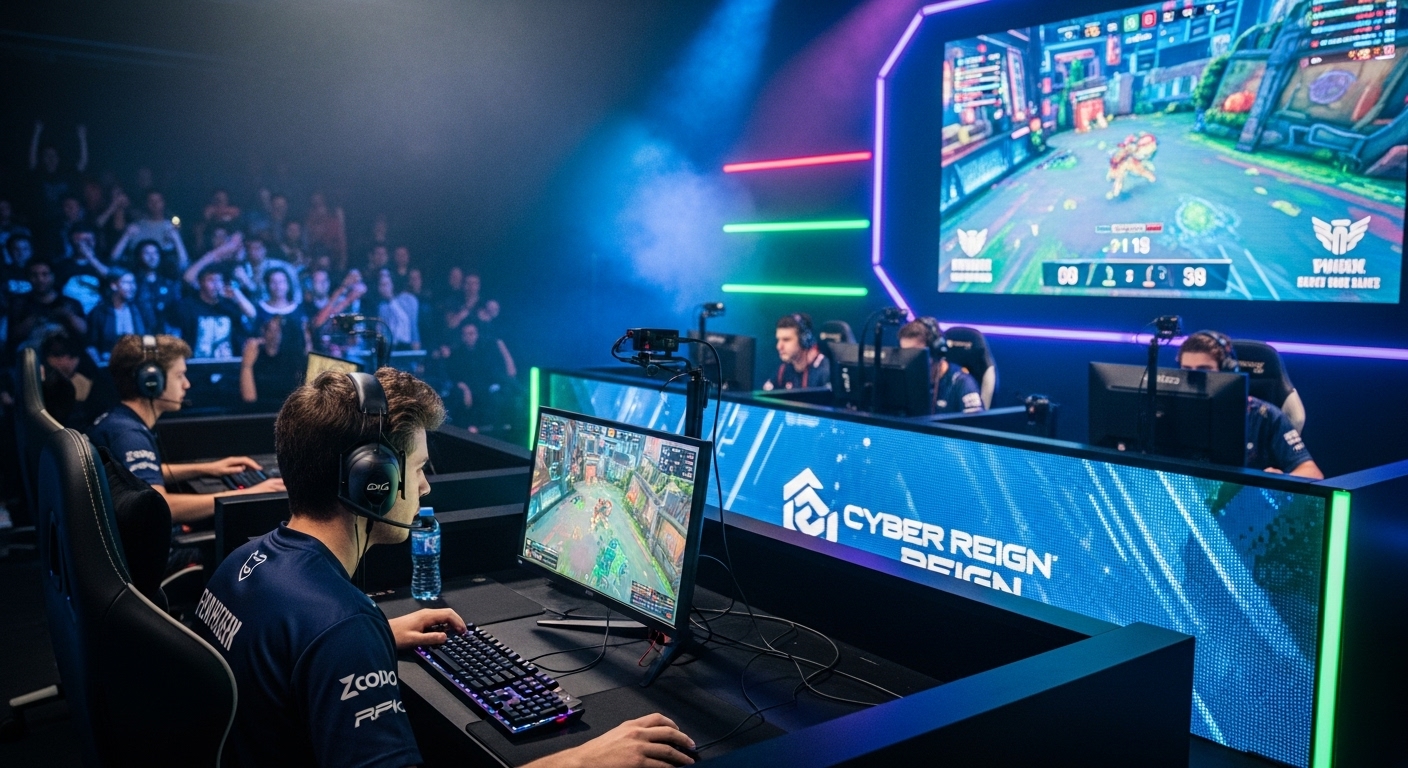
By 2018, the esports industry was estimated to be worth over $1 billion, and its influence continued to spread globally. Major sports organizations and networks began to take notice, with partnerships and sponsorships fueling the industry’s expansion. Today, esports tournaments regularly fill large arenas, and major networks like ESPN broadcast live events, proving that gaming is no longer a subculture, but a global spectacle.
The Professionalization of Esports: Players, Teams, and Leagues
What sets esports apart from traditional sports is its rapid professionalization. Today, esports is home to full-time professional players, coaches, analysts, and team organizations. Much like traditional sports, these players and teams are supported by a network of sponsors, agents, and media rights deals that make esports a career for many individuals.
Professional players often undergo intense training regimens, similar to those of athletes in traditional sports. They practice for hours each day, refining their skills and teamwork, studying opponents, and preparing for major tournaments. The level of competition has become so fierce that esports players are often considered experts in their respective games, with some gaining celebrity-like status among fans.
In addition to individual players, esports organizations have also evolved. Teams like Team Liquid, Cloud9, and G2 Esports have become household names, attracting players, coaches, and support staff from all over the world. These organizations operate like traditional sports teams, with management, sponsorships, and extensive marketing strategies to build their brand and fanbase.
Major leagues and tournaments, such as the League of Legends World Championship, The International (Dota 2), and Overwatch League, have become global events. These tournaments not only offer massive prize pools but also feature intricate tournament formats, rigorous qualifications, and large-scale production value, making them comparable to high-profile sports events like the Super Bowl or the FIFA World Cup.
The Cultural Impact of Esports: Fans, Streaming, and Community
One of the driving forces behind esports’ rise is the passionate fanbase that supports it. Esports fans are deeply engaged with their favorite games, players, and teams, and their loyalty has created a community unlike any other. Fans connect over social media platforms, streaming services, and live event broadcasts, engaging in discussions, creating fan art, and even participating in cosplay at events.
Streaming services, particularly Twitch, have made it easier for fans to interact with their favorite players and teams. Many professional players and streamers build massive followings by streaming their gameplay and offering behind-the-scenes glimpses into their daily lives. This direct access to the players and personalities of esports has created a strong sense of community, where fans feel connected to the action on and off the screen.
Moreover, esports has had a significant impact on global culture. It has changed how video games are perceived in society, shifting them from being viewed as mere entertainment to a legitimate competitive medium. Gaming culture, once often stigmatized, is now celebrated as a thriving and inclusive space for people of all backgrounds and walks of life.
The Future of Esports: Expansion and Challenges
Looking ahead, the future of esports is incredibly promising, but not without challenges. The industry is expected to continue growing, with increased investment from traditional sports organizations, tech companies, and even governments. As esports gains recognition as a mainstream sport, the question of its inclusion in the Olympic Games is increasingly being discussed, further legitimizing competitive gaming on the world stage.
However, challenges remain. The rapid growth of the esports industry has led to concerns about player health and wellness, including issues like burnout, mental health, and the physical strain of long hours in front of screens. The industry will need to adapt and provide support systems for its players to ensure their long-term success and well-being.
Another challenge is maintaining the integrity of esports competitions. With increasing prize money and sponsorships, the potential for cheating and match-fixing becomes more prevalent. Esports organizations will need to continue enforcing fair play standards to maintain the trust and legitimacy of the industry.
Conclusion: Esports’ Place in the Future of Entertainment
Esports has come a long way from its humble beginnings as a competitive pastime. Today, it stands as one of the most exciting and rapidly growing entertainment industries in the world. With millions of fans, professional players, and massive prize pools, esports has firmly established itself as a legitimate sport and cultural phenomenon.
As the industry continues to expand, it will undoubtedly face challenges, but its influence on gaming, entertainment, and culture is undeniable. Whether you’re a casual gamer or a die-hard esports fan, one thing is clear: the world of competitive gaming is here to stay, and it’s only going to get bigger.