Introduction
A few decades ago, video games were considered nothing more than a form of entertainment — a way for teenagers to spend their free time after school or for adults to relax after a long day. The idea of playing games competitively for money and fame seemed absurd. Yet today, esports stands tall as a billion-dollar global industry with professional players, massive tournaments, sponsorships, and fanbases rivaling those of traditional sports.
Esports — short for electronic sports — has transformed from humble beginnings in small LAN parties to colossal stadium events watched by millions around the world. It has become not only a career path for talented gamers but also a cultural movement that redefines what it means to be an athlete in the digital age.
This blog explores the evolution, impact, and future of esports — diving deep into its history, the games that shaped it, the business behind it, and the challenges it faces as it continues to grow.
The Origins of Esports
The concept of competitive gaming isn’t new. The first known video game competition dates back to 1972, when Stanford University hosted an event for the game Spacewar! The prize wasn’t a trophy or cash — it was a year’s subscription to Rolling Stone magazine. That simple event planted the seed for something that would grow beyond imagination.
In the 1980s, arcade games like Pac-Man and Donkey Kong sparked public gaming competitions. Arcades became social hubs where players battled for high scores and bragging rights. These local challenges eventually evolved into organized tournaments, such as the Nintendo World Championships in 1990, which toured across the United States and marked one of the first large-scale gaming events.
The 1990s saw a turning point with the rise of personal computers and the internet. Multiplayer games like Doom, Quake, and StarCraft allowed players to compete not just locally, but globally. LAN parties became popular, and professional leagues began to form. The Cyberathlete Professional League (CPL), founded in 1997, became one of the earliest professional gaming organizations, paving the way for the esports structure we know today.
The Early 2000s: The Birth of Modern Esports
The early 2000s marked the true birth of esports as a professional pursuit. With broadband internet becoming more widespread, online multiplayer games exploded in popularity. Titles like Counter-Strike, Warcraft III, and Halo created communities centered around competitive play.
South Korea played a particularly crucial role during this time. Following the 1997 Asian financial crisis, South Korea invested heavily in its broadband infrastructure. The result was a nation where online gaming became a social phenomenon. Games like StarCraft: Brood War became national obsessions, and professional players were treated like celebrities. Televised matches attracted millions of viewers, and esports teams began signing corporate sponsors.
This era also saw the creation of organizations such as the World Cyber Games (WCG) and Electronic Sports World Cup (ESWC), which hosted international tournaments bringing together players from around the globe. For the first time, esports had a global stage.
The Streaming Revolution
The 2010s ushered in a new era that propelled esports to mainstream recognition: live streaming. Platforms like Twitch, YouTube Gaming, and later Facebook Gaming gave esports unprecedented accessibility. Fans could now watch their favorite players and tournaments live from anywhere in the world.
Unlike traditional sports, where broadcasting rights are tightly controlled, esports benefited from the democratization of content. Anyone could stream, and audiences could directly engage with players through chat. This interactivity created a unique culture around esports — a blend of entertainment, education, and community.
As streaming audiences grew, sponsorships and advertisements followed. Brands realized the potential of connecting with young, tech-savvy viewers through gaming. Suddenly, professional gamers weren’t just competitors — they were influencers, entertainers, and marketing powerhouses.
The Titans of Esports: Games That Shaped an Industry
Different genres of games have contributed to esports, each with their own ecosystems, communities, and legends. Some of the most influential titles include:
League of Legends
Released in 2009 by Riot Games, League of Legends quickly became one of the world’s most popular esports titles. Its accessible gameplay, constant updates, and massive global tournaments like the World Championship attract millions of viewers annually. The 2018 Finals alone drew over 200 million viewers worldwide, surpassing many traditional sports events.
Dota 2
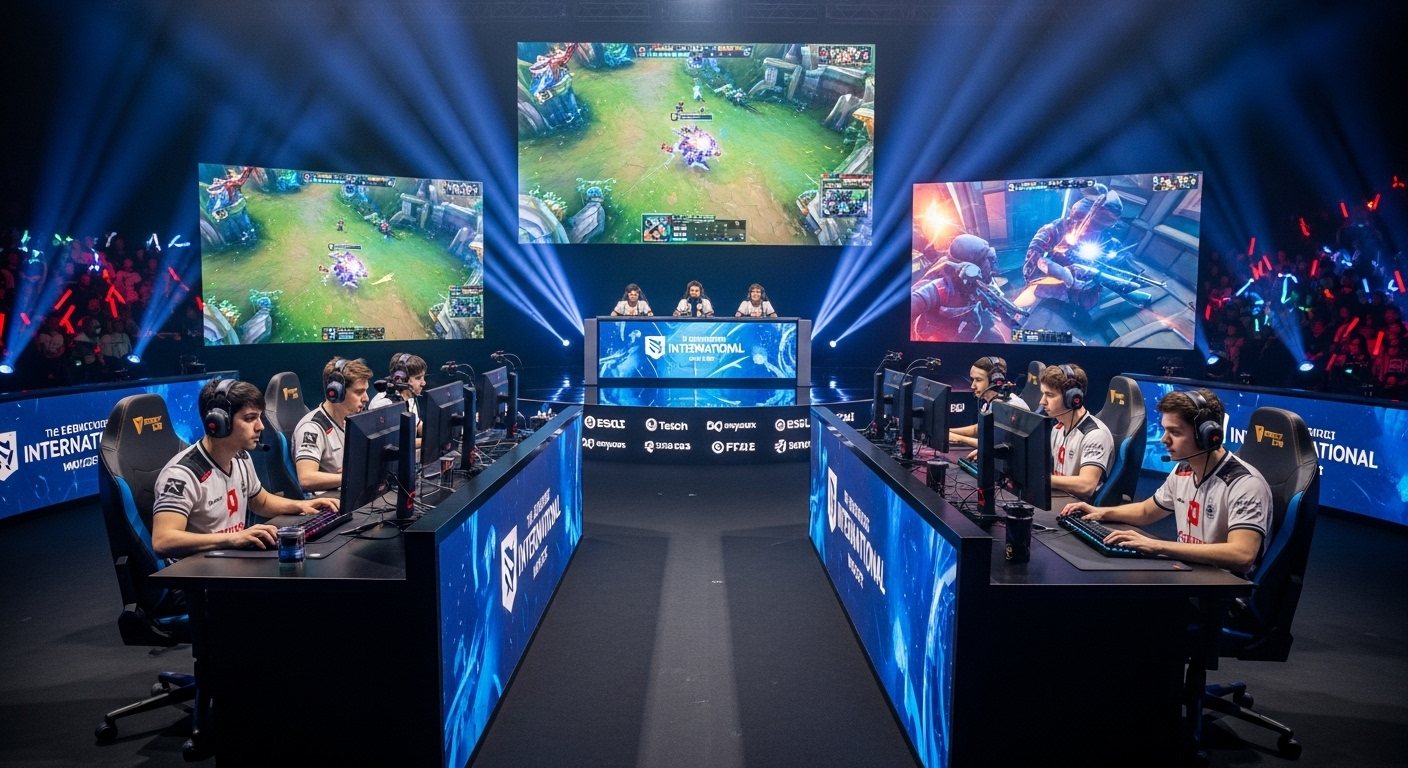
Valve’s Dota 2 is known for its complexity and deep strategy. Its annual tournament, The International, boasts the largest prize pools in esports history, often exceeding $40 million — funded primarily through fan contributions. The game’s dedicated player base and high skill ceiling have made it a pillar of competitive gaming.
Counter-Strike: Global Offensive
Few games have had the staying power of Counter-Strike. From its roots as a Half-Life mod in 1999 to CS:GO in the modern era, it remains a benchmark for competitive shooters. Its combination of strategy, precision, and teamwork has kept it relevant for over two decades.
Overwatch
Blizzard’s Overwatch introduced a colorful, character-driven twist to team shooters. The Overwatch League, launched in 2018, followed a franchise model similar to traditional sports, with teams representing major cities worldwide. It was a bold step toward merging esports with conventional sports structures.
Fortnite
Epic Games’ Fortnite blurred the lines between gaming, entertainment, and pop culture. Its massive player base, creative events, and celebrity crossovers made it a cultural phenomenon. The Fortnite World Cup awarded a staggering $30 million in prize money, showing just how far esports had come.
Call of Duty, Rainbow Six, Valorant, and Beyond
Other games like Call of Duty, Rainbow Six Siege, and Valorant continue to expand the esports universe, each cultivating its own loyal audience. These games reflect the diversity of the esports ecosystem — from tactical shooters to battle royales to strategic MOBAs.
The Business of Esports
Behind the flashing screens and roaring crowds lies a sophisticated business model. Esports has evolved into a multi-billion-dollar industry driven by multiple revenue streams, including sponsorships, advertising, merchandise, media rights, and ticket sales.
Major brands — from energy drink companies to tech giants and even automobile manufacturers — have invested heavily in esports. Teams like Team Liquid, Fnatic, T1, and Cloud9 have built global followings, functioning like traditional sports franchises with players, coaches, analysts, and marketing teams.
Prize money in esports continues to soar, but the real value lies in viewership and engagement. Unlike traditional sports fans, esports audiences are digitally native — they engage directly with content, participate in communities, and follow players across multiple platforms. This makes them an attractive demographic for advertisers seeking authentic, high-engagement marketing opportunities.
Broadcast deals have also become more structured. Esports tournaments are now aired on major television networks and streaming services, bringing them closer to mainstream audiences. Universities and organizations have also begun offering scholarships for esports athletes, legitimizing competitive gaming as a viable academic and career pursuit.
Esports and Traditional Sports: A Growing Convergence
In recent years, the lines between esports and traditional sports have started to blur. Many professional sports organizations now own or sponsor esports teams. Football clubs like Paris Saint-Germain, Manchester City, and FC Barcelona have entered esports through games like FIFA and Rocket League.
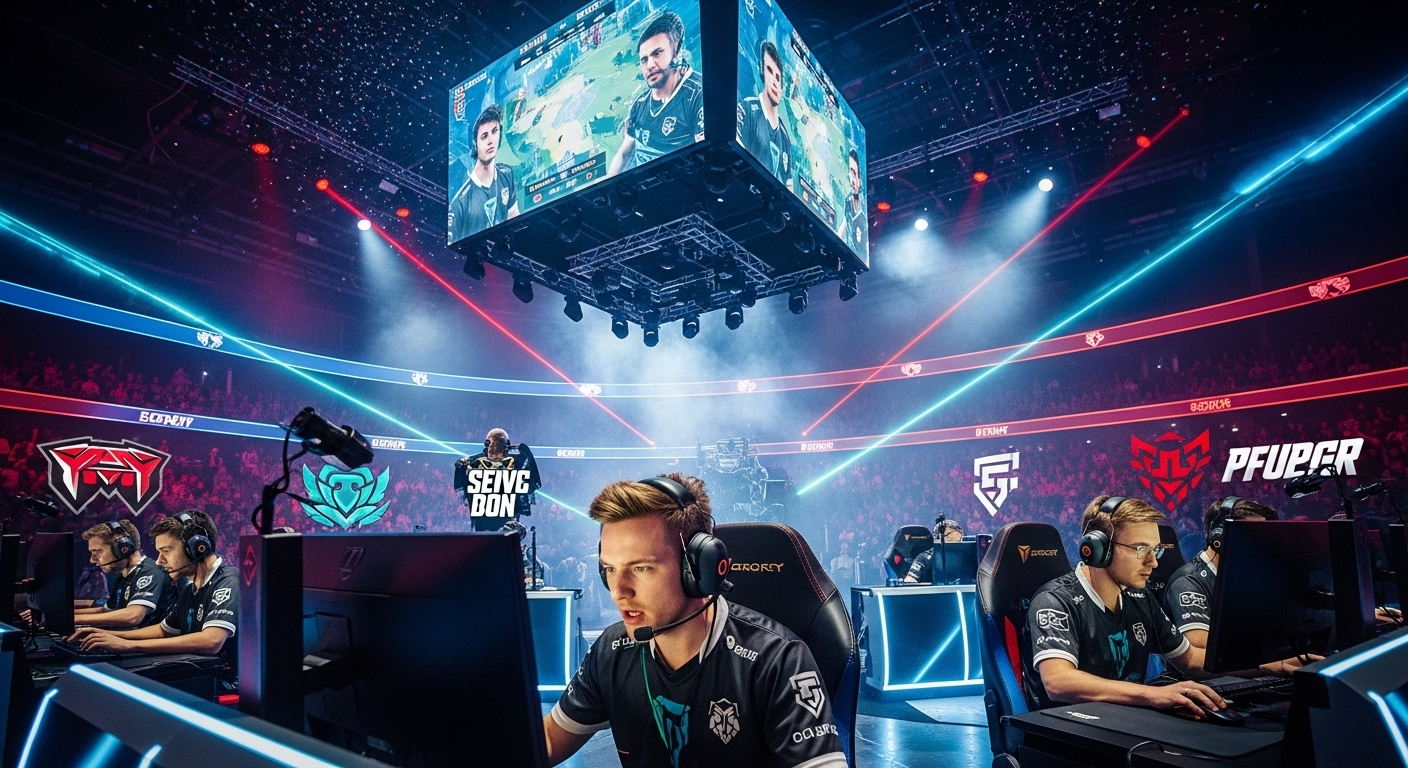
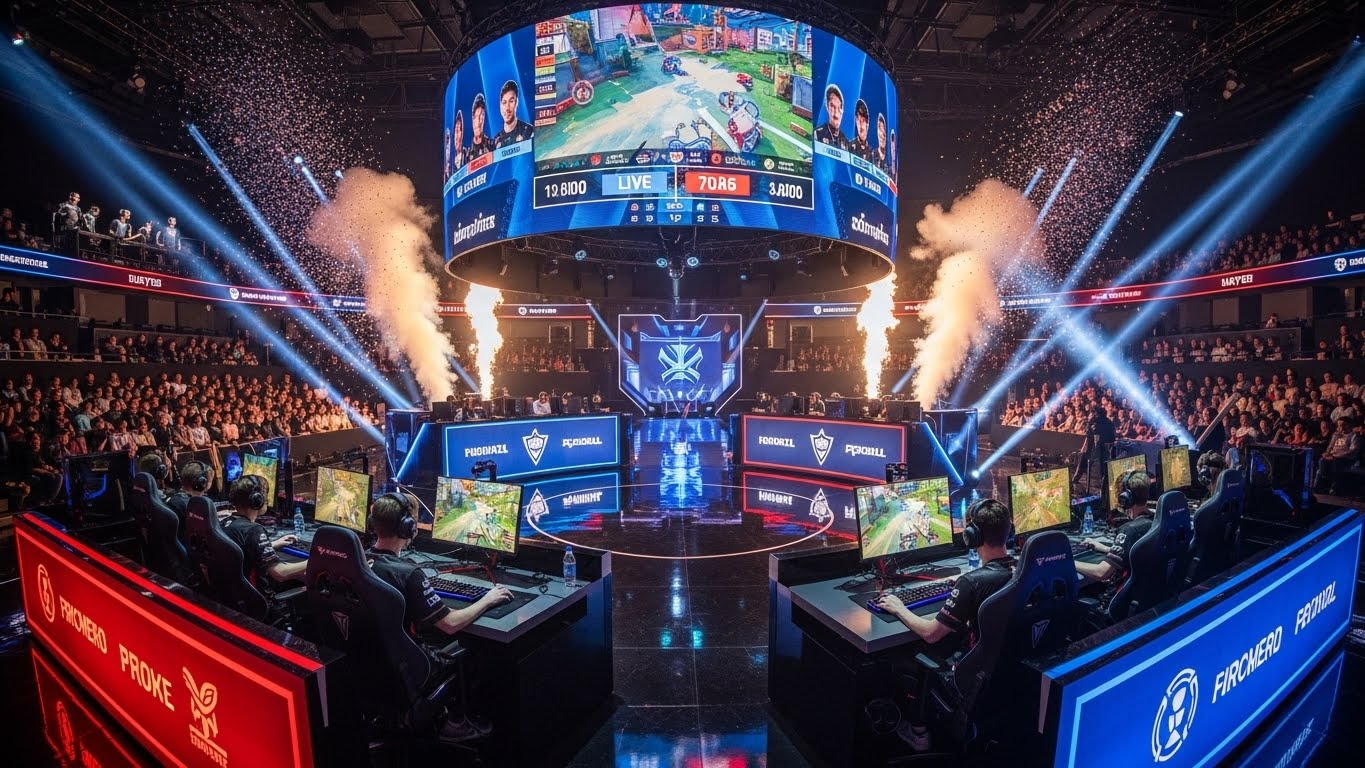
The crossover goes beyond sponsorships. The structure of esports leagues, player contracts, and even fan engagement models often mimic those of established sports leagues like the NBA or NFL. Esports arenas now resemble sports stadiums, complete with commentators, analysts, and fan merchandise.
Moreover, traditional athletes have shown increasing interest in gaming. NBA stars, NFL players, and even Formula 1 drivers stream or invest in esports organizations. This cultural crossover has helped esports gain recognition as a legitimate form of competition and entertainment.
The Role of Technology in Esports Expansion
Technology has always been the backbone of esports. From high-performance gaming hardware to cloud computing and streaming infrastructure, advancements in technology have directly influenced the growth of the industry.
High-speed internet and low-latency networks enable real-time global competition. Virtual reality (VR) and augmented reality (AR) are beginning to reshape how games are played and viewed. Artificial intelligence (AI) is being used for training, strategy analysis, and even live commentary.
Mobile gaming has also played a transformative role. Titles like PUBG Mobile, Mobile Legends: Bang Bang, and Free Fire have made esports accessible to players who may not own gaming PCs or consoles. This has especially fueled growth in regions like Southeast Asia, South America, and India.
The Global Impact of Esports
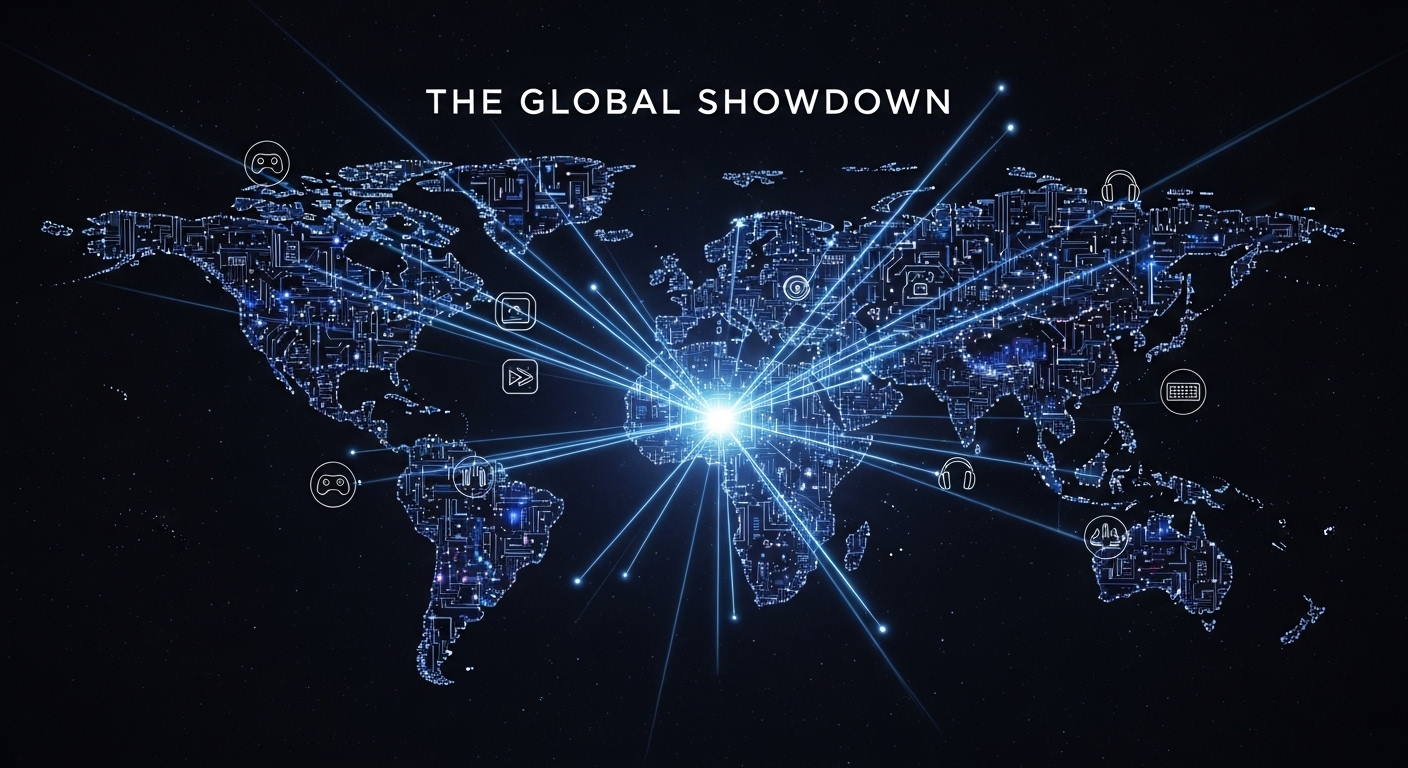
Esports is not just a hobby; it’s a cultural movement that unites people across borders. Major tournaments are hosted on every continent, and international players often become national icons. In countries like China, South Korea, and the United States, esports events fill stadiums once reserved for rock concerts or championship games.
The economic impact is also profound. Esports has created jobs for players, coaches, broadcasters, event organizers, marketers, and developers. Cities around the world are investing in esports arenas and training centers to attract tourism and boost local economies.
Educational institutions have started to embrace esports as well. Universities across North America, Europe, and Asia now offer degrees in game design, esports management, and digital media. High schools are forming competitive gaming teams, giving students opportunities to learn teamwork, communication, and strategic thinking — skills valuable both inside and outside of gaming.
Challenges Facing the Esports Industry
Despite its success, esports faces several challenges that could shape its future.
One major concern is player burnout. Professional gamers often train for long hours with limited rest, leading to physical and mental health issues. Unlike traditional sports, where player unions and medical support are standard, esports is still developing infrastructure to support athlete well-being.
Another challenge lies in maintaining competitive integrity. Issues such as cheating, match-fixing, and performance-enhancing software have occasionally tainted the reputation of tournaments. Developers and organizers must constantly innovate to ensure fair play and security.
Monetization and sustainability are also ongoing concerns. While prize pools and sponsorships attract attention, only a fraction of professional players earn sustainable incomes. Smaller teams struggle to survive without strong financial backing, and the rapid turnover of popular games means the esports landscape is constantly shifting.
Furthermore, as esports grows globally, it must navigate cultural differences, legal regulations, and audience preferences across different regions. What works in South Korea may not work in North America or the Middle East, making global expansion a complex challenge.
The Future of Esports
The future of esports looks bright and limitless. With the continued integration of technology, media, and entertainment, the industry is poised to expand even further.
Virtual reality competitions could soon redefine how games are played. Blockchain technology may revolutionize in-game economies and digital ownership. The metaverse concept — a shared, interconnected digital universe — could make esports experiences even more immersive and interactive.
Traditional sports organizations will likely deepen their involvement, blurring distinctions further. Esports could also find a place in the Olympics, a topic already under discussion by international sporting bodies.
As younger generations grow up in a world where gaming is a cultural norm, the perception of esports will continue to evolve. It will no longer be “just playing games” — it will be a respected, structured, and influential part of global entertainment.
Conclusion
From a small gathering of students playing Spacewar! in the 1970s to sold-out arenas and million-dollar tournaments today, the journey of esports is nothing short of extraordinary. It stands as a testament to the power of technology, community, and human competition.
Esports has not only redefined gaming but also reshaped culture, business, and entertainment. It represents the next evolution of sports — one that exists beyond physical boundaries, appealing to both players and fans in every corner of the world.
As the digital age progresses, esports will continue to inspire innovation, foster connection, and celebrate skill in its purest form. Whether you’re a casual player, a professional gamer, or simply a spectator, one thing is clear: esports is not the future — it’s the present.