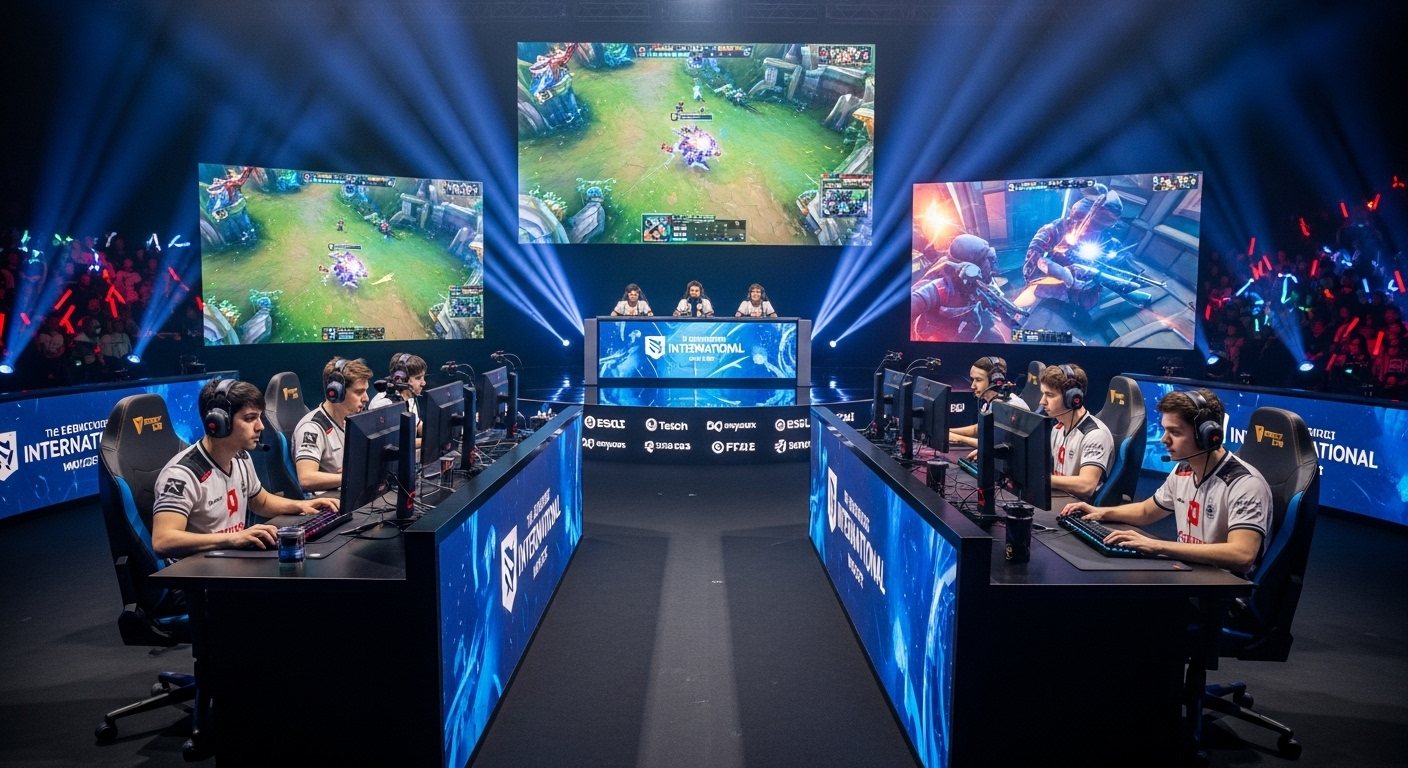
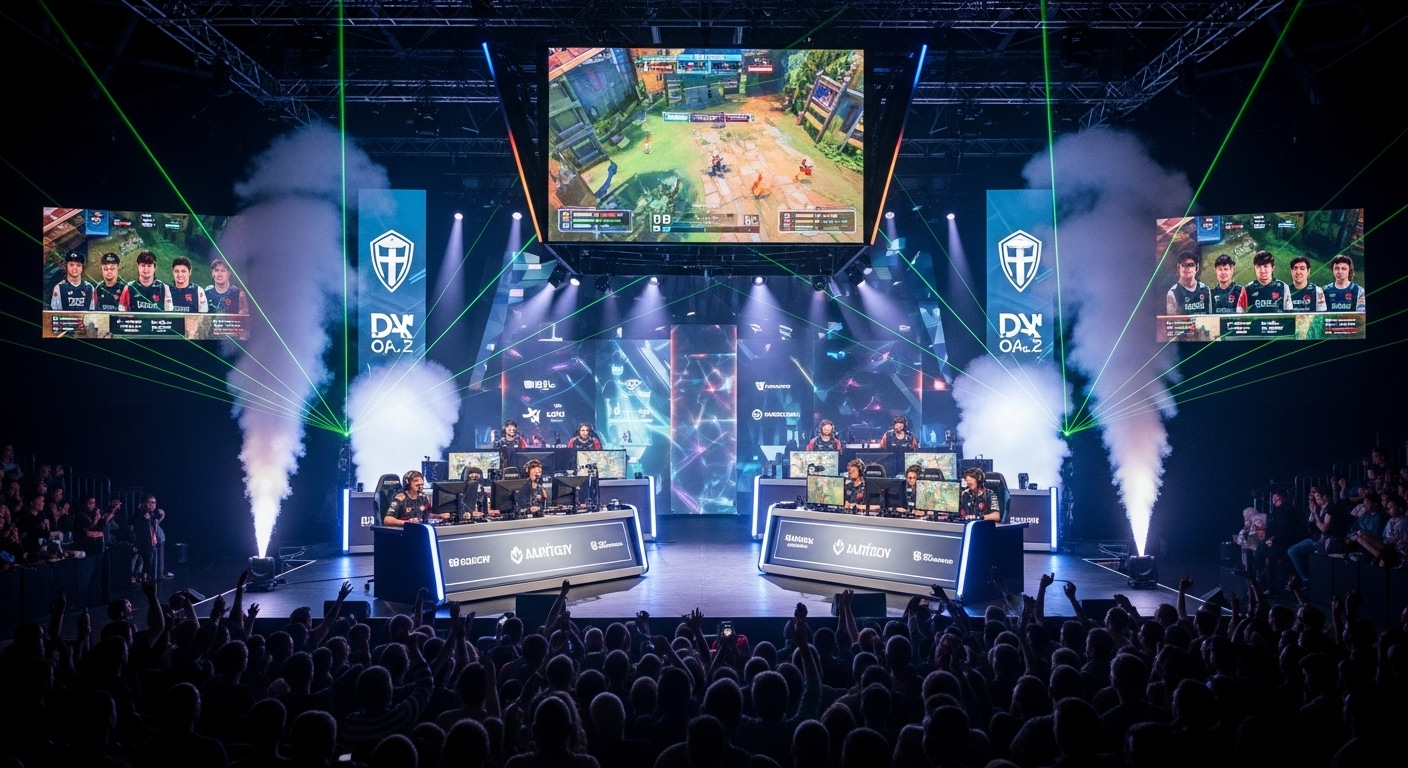
In the last decade, esports has rapidly transitioned from a niche hobby to a global phenomenon. Competitive gaming, once seen as a hobby for the tech-savvy and the hardcore, is now a multibillion-dollar industry with a massive global following. From packed arenas to sold-out stadiums and millions of viewers online, esports has truly revolutionized the world of entertainment.
In this blog, we will explore the key drivers of the esports industry, its growth trajectory, the various games that have dominated the space, and what the future holds for esports players, fans, and stakeholders.
What is Esports?
Esports, short for electronic sports, refers to competitive video gaming where individuals or teams compete against each other in organized tournaments, leagues, or events. These competitions are often held in popular video games such as League of Legends, Dota 2, Counter-Strike: Global Offensive, Fortnite, and Overwatch, among others. Esports events range from local tournaments with modest prize pools to global championships featuring millions of dollars in prize money and global audiences.
Esports isn’t limited to just playing; it also includes other key areas such as team management, streaming, broadcasting, and sponsorships. This multi-faceted ecosystem has contributed to the overall growth of the industry, as players, coaches, analysts, streamers, and content creators all play integral roles.
The Growth of Esports
Esports has experienced remarkable growth over the past decade, transforming into a legitimate industry with lucrative opportunities. In 2019, the esports market was valued at over $1 billion, and this figure has only grown in the years since. According to various reports, the global esports audience has reached more than 450 million people, with an estimated 200 million people tuning in to watch live esports events.
A few key factors have played an important role in this rapid expansion:
- The Advent of Streaming Platforms:
Platforms such as Twitch, YouTube Gaming, and Facebook Gaming have made it possible for esports players and content creators to reach a global audience. Twitch, in particular, has played a significant role in the rise of esports. With its live-streaming features and built-in community, it has become the go-to platform for watching esports events and following professional players. - Accessibility of Competitive Gaming:
Thanks to the rise of online multiplayer games, anyone with a gaming console or a PC can easily access and participate in competitive gaming. This has allowed esports to move beyond traditional boundaries and reach a wider audience. The ease of access has also led to the democratization of competitive gaming, as players from all around the world can compete at the highest levels, regardless of geographic location. - Corporate Sponsorship and Investment:
Major companies, from tech giants like Intel and Samsung to global beverage brands like Coca-Cola and Red Bull, have invested heavily in esports. These companies sponsor tournaments, create advertising opportunities, and fund teams, adding legitimacy and financial muscle to the industry. - The Growth of Mobile Gaming:
Mobile esports is another significant area of growth. Titles such as PUBG Mobile, Free Fire, and Clash Royale have introduced competitive gaming to a whole new demographic—mobile gamers. The accessibility of smartphones has made competitive gaming easier than ever, and mobile esports tournaments have exploded in popularity, particularly in regions like Southeast Asia and India.
Popular Esports Games and Tournaments
There are a variety of games that dominate the esports space, with each offering a unique competitive experience. Below are some of the most popular games that have shaped the esports landscape:
- League of Legends (LoL):
League of Legends is one of the most successful esports games globally. Developed by Riot Games, LoL has a huge following with its fast-paced multiplayer battles between teams of five players each. The League of Legends World Championship is one of the most prestigious events in esports, with millions of viewers watching the finale live. Players have the chance to compete for multimillion-dollar prize pools, and the level of skill required to succeed in LoL makes it an enduring favorite. - Dota 2:
Dota 2 is another powerhouse in the esports world, developed by Valve Corporation. Known for its deep strategy, complex gameplay, and massive international tournaments like The International, Dota 2 has become a cornerstone of competitive gaming. The International’s prize pools regularly surpass tens of millions of dollars, and it draws spectators from around the world to watch top-tier players face off in epic battles. - Counter-Strike: Global Offensive (CS:GO):
CS:GO is one of the oldest esports games and has maintained its relevance due to its simple yet highly competitive nature. The game revolves around teams of five players trying to either plant a bomb or prevent it from being planted, with the winning team securing the most rounds. Major tournaments, such as ESL One and CS:GO Major Championships, attract global viewership, and the competitive scene remains as active as ever. - Fortnite:
Epic Games’ Fortnite has revolutionized both the battle royale genre and competitive gaming. Its massive popularity among younger audiences has made it a cultural phenomenon, and its in-game events, collaborations with pop culture icons, and innovative format have helped propel Fortnite to esports prominence. The Fortnite World Cup is one of the most highly anticipated events, offering staggering prize pools and global participation. - Valorant:
Riot Games’ Valorant has quickly gained a strong foothold in the esports scene since its release in 2020. A tactical first-person shooter, Valorant blends elements of CS:GO with unique character abilities, creating a fresh competitive experience. Its esports ecosystem has rapidly expanded, with organizations and players rushing to establish themselves in the game’s professional scene.
The Role of Streaming and Content Creation
In addition to competitive play, the rise of streaming and content creation has significantly influenced the esports ecosystem. Platforms like Twitch and YouTube Gaming allow gamers to broadcast their gameplay live to thousands, if not millions, of viewers. Streamers build dedicated communities around their content, often interacting with fans in real-time through chat features.
Many esports players have become major influencers due to their large streaming followings, often transcending their gaming careers to become celebrities in their own right. The symbiotic relationship between esports, streaming, and content creation has fostered an environment where fans not only watch tournaments but engage with their favorite players and teams on a personal level.
The Business Side of Esports
Esports has proven to be a profitable industry, attracting attention from brands, investors, and media companies. Key elements that contribute to the growing economic impact of esports include:
- Sponsorships and Advertising:
Brands looking to target young, tech-savvy audiences see esports as a prime marketing platform. Sponsorships from major companies like Intel, Nike, and Coca-Cola have become integral to the esports ecosystem, allowing teams and organizations to thrive. Additionally, esports content creators and streamers also sign sponsorship deals, further expanding the revenue channels. - Merchandising:
Just like traditional sports teams, esports organizations sell branded merchandise, such as jerseys, hoodies, and accessories. Fans are often deeply loyal to their favorite teams or players, and merchandise becomes a way to express that loyalty. - Media Rights and Broadcasting:
Media companies like ESPN, YouTube, and Tencent have invested heavily in acquiring broadcasting rights for major esports tournaments. This is particularly important for large-scale competitions like the League of Legends World Championship or The International, where millions of viewers tune in to watch the events live. - Esports Betting:
Esports betting has emerged as a billion-dollar industry, with fans able to place bets on various esports tournaments and matches. While this brings in additional revenue, it also raises concerns around issues such as underage gambling and match-fixing.
The Future of Esports
The future of esports looks incredibly bright. With a growing global audience, increasing investments, and continual technological advancements, esports is poised for even greater expansion. A few trends to watch out for in the coming years include:
- Integration with Traditional Sports:
Esports is increasingly being viewed as a legitimate form of competition, and there is potential for further integration with traditional sports. Some sports teams have already established esports divisions, and collaborations with established leagues like the NBA and NFL could lead to cross-industry innovations. - Virtual Reality and Augmented Reality:
As VR and AR technologies continue to improve, it’s possible that esports will evolve into fully immersive experiences. Players may compete in virtual environments, and fans could experience tournaments in new, interactive ways. - Mobile Esports Growth:
Mobile gaming is expanding, and with the continued rise of mobile esports titles, the industry is set to tap into an even broader audience. Emerging markets, such as Southeast Asia and Latin America, will likely drive this growth. - Global Esports Leagues:
With the establishment of major leagues such as the Overwatch League and League of Legends Pro League, the future of esports may include even more structured, global competitions where the best teams from around the world face off on a regular basis.
Conclusion
Esports has undeniably become a cultural and economic powerhouse. The evolution of competitive gaming from a niche hobby to a global industry with its own ecosystem of players, teams, broadcasters, and fans is truly remarkable. With an audience spanning continents, millions in prize money, and investments pouring in from major brands, esports is here to stay. As technology advances and the industry continues to mature, esports will only grow in scope and significance, attracting new players, fans, and opportunities.
Whether you’re a competitive gamer or a casual viewer, it