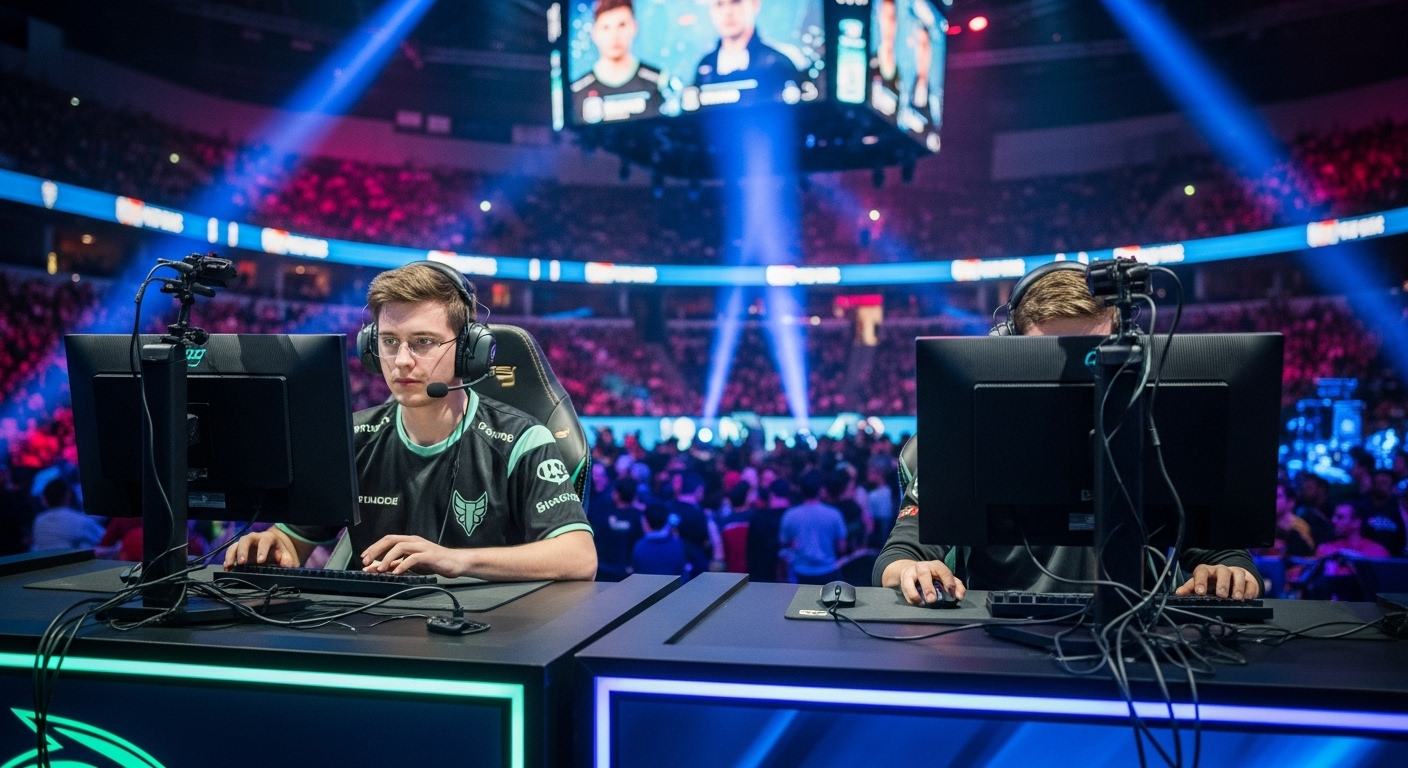
In the past decade, esports has transformed from a niche hobby into a global phenomenon. What once began as a casual pastime for gamers has now grown into a multi-billion-dollar industry, with millions of fans, professional players, and events. Esports encompasses competitive video gaming at its highest level, where skilled players from around the world compete in various titles, from MOBAs (Multiplayer Online Battle Arenas) like League of Legends to first-person shooters such as Counter-Strike and Call of Duty.
In this post, we will delve into the world of esports, exploring its history, impact on the gaming culture, the rise of esports organizations, and its growing role in the global entertainment landscape.
What is Esports?
Esports, short for “electronic sports,” refers to organized, multiplayer video game competitions, particularly between professional players, individually or as teams. These tournaments can feature games across various genres, including strategy games, first-person shooters, and battle royales. The professional level of esports is characterized by highly skilled players, large prize pools, sponsorship deals, and a global audience.
At its core, esports is similar to traditional sports, where athletes compete in a structured environment with coaches, managers, and fans. The major difference, of course, is that esports happens within the virtual realm, not on physical fields or courts. It involves a combination of skill, strategy, teamwork, and mental acuity.
The Evolution of Esports: From Hobby to Industry
The roots of esports can be traced back to the 1970s and 1980s when gaming began to grow as a form of entertainment. Early tournaments, such as the 1972 “Intergalactic Spacewar Olympics” at Stanford University, were rudimentary, featuring simple arcade games. It wasn’t until the late 1990s and early 2000s, with the rise of online gaming, that esports began to form into the competitive, organized activity we know today.
During this period, games like Quake, StarCraft, and Warcraft laid the foundation for competitive play. Communities and tournaments began to grow, particularly in South Korea, which would become the epicenter of professional gaming in the early 2000s. The establishment of major gaming leagues, such as the Korean e-Sports Association (KeSPA), and the broadcasting of tournaments on television brought esports into the mainstream.
By the mid-2010s, esports had grown exponentially. Games like League of Legends, Dota 2, and Overwatch attracted millions of viewers online, and large-scale tournaments such as The International and League of Legends World Championship offered multi-million dollar prize pools. The rise of streaming platforms like Twitch and YouTube Gaming further accelerated the growth of the industry by allowing fans to watch live broadcasts of esports events from around the globe.
Esports and Its Global Appeal
The appeal of esports lies in its accessibility, relatability, and entertainment value. Unlike traditional sports, anyone with a computer or console can participate in the gaming community. Whether it’s a casual player or someone with aspirations to go pro, the barrier to entry is lower. Online platforms like Twitch have created a sense of community, allowing gamers from all walks of life to connect with each other, watch professional events, and even support their favorite teams and players.
Esports transcends geographical boundaries. Gamers from all corners of the globe can compete against one another in real-time, often bringing together individuals from different cultures and backgrounds. Games like Fortnite, PUBG, and Call of Duty have cultivated massive global fan bases, while the international tournaments offer viewers a chance to see the best players in the world battling it out for glory and substantial cash prizes.
What makes esports particularly unique is its adaptability and its capacity to evolve with the latest technological innovations. New games are constantly emerging, and the strategies and tactics used by players are always shifting, keeping the community and spectators engaged.
The Role of Esports Organizations
As the esports industry grew, so did the need for professional organizations and leagues. The establishment of these organizations has played a crucial role in legitimizing the esports scene. Just like traditional sports, esports has teams, coaches, analysts, and managers. Organizations such as Cloud9, Team Liquid, and Fnatic have become household names in the esports world, signing top-tier players and participating in the biggest tournaments.
These organizations not only act as a hub for competitive gaming but also work to cultivate their brand. Esports teams engage in sponsorships, merchandising, and advertising to expand their reach beyond just the gaming community. Big-name brands from different industries, including Coca-Cola, Intel, and Red Bull, have entered the esports ecosystem, recognizing the potential of this rapidly growing market.
In addition to esports organizations, there are now leagues and federations dedicated to managing competitive play. The Overwatch League (OWL), for example, is an international professional esports league where city-based teams compete, much like major league sports such as football or basketball. This city-based model has helped esports establish a stronger connection with fans who want to support local teams, further cementing the relationship between the community and professional esports.
The Growing Impact of Esports in Mainstream Entertainment
Over the years, esports has increasingly intersected with traditional forms of entertainment. Major broadcasters, such as ESPN and TNT, have begun broadcasting esports events, bringing professional gaming to television screens around the world. These broadcast deals have been pivotal in pushing esports further into the mainstream and attracting a broader, more diverse audience.
Esports stars have also begun to gain celebrity status, akin to professional athletes. Popular players like Faker (Lee Sang-hyeok), Ninja (Tyler Blevins), and Shroud (Michael Grzesiek) have built massive social media followings and sponsorship deals, often venturing into other entertainment ventures, including acting, music, and even partnerships with fashion brands. This crossover has helped esports to gain traction as not just a competitive activity but a form of entertainment in its own right.
The Olympics, historically the pinnacle of competitive sport, has also shown interest in esports. Although the International Olympic Committee has yet to fully embrace esports as a recognized Olympic sport, there have been discussions about including esports as a demonstration sport in future Olympic Games. This move would further solidify esports’ place as a legitimate and culturally significant form of entertainment.
The Economics of Esports: A Billion-Dollar Industry
Esports is big business. The global esports industry is estimated to be worth over $1 billion, and this number continues to grow. Revenues come from multiple sources, including tournament prize pools, sponsorships, advertising, media rights, ticket sales, and merchandise. The growth of esports is fueled by its massive global audience, with more than 500 million people watching esports worldwide.
One of the major factors driving esports’ financial success is its ability to attract brands from a wide range of industries. Traditional companies, such as Samsung, Intel, and Adidas, have partnered with esports teams and tournaments, while tech companies like NVIDIA, Microsoft, and Google have further cemented their role in the ecosystem. Additionally, streaming platforms like Twitch and YouTube Gaming play a crucial role in monetizing content through advertising, subscriptions, and donations.
Esports tournaments have some of the largest prize pools in all of competitive sports. For example, The International 2019 (Dota 2’s annual championship) had a total prize pool of over $34 million, which is higher than that of many traditional sports tournaments. This influx of money has attracted a new generation of professional gamers who view gaming as a legitimate career path.
The Future of Esports: What’s Next?
The future of esports looks incredibly bright, with advancements in technology promising to push the boundaries of competitive gaming even further. Virtual reality (VR) and augmented reality (AR) could eventually revolutionize the way players experience games, while advancements in streaming technology may offer more immersive and interactive viewing experiences for fans.
Esports may also continue its path toward greater mainstream acceptance, with more traditional sports leagues adopting esports divisions. The synergy between esports and other entertainment sectors, such as music, fashion, and media, will likely continue to grow, making esports a more integrated part of modern culture.
Additionally, the rise of mobile gaming has opened new opportunities for esports. Games like PUBG Mobile and Arena of Valor have attracted huge player bases, and mobile esports competitions are expected to grow significantly in the coming years. As smartphones continue to become more powerful, mobile esports could soon rival PC and console gaming in terms of both participation and viewership.
Conclusion: Esports – A Revolution in Competitive Entertainment
Esports has evolved from a fringe activity into a global cultural phenomenon. As competitive gaming continues to expand its influence, esports will only become a bigger part of our lives. Whether you’re a casual gamer, a die-hard fan, or someone looking to break into the professional scene, there’s no denying the profound impact esports has had—and will continue to have—on the world of entertainment and sports.
The rise of esports is a testament to the power of gaming as both a form of competition and a way to connect with others. With its growing audience, expanding opportunities, and constant innovation, esports is poised to remain at the forefront of global entertainment for years to come.